
Reducing the cost of goods sold will increase your company’s gross profit margin. Check whether your current vendor is offering the most affordable inventory prices. If not, consider switching to a new retailer or asking for a discount from your current provider. It’s important to note that gross profit margins are very different for different industries. For example, businesses like banks and law firms that have low input costs typically report very high gross profit margins.
How to calculate gross profit margin
Gross margin differs from other metrics like net profit margin because it exclusively considers the costs directly tied to production. Gross margin ratio is the ratio of gross profit of a business to its revenue. It is a profitability ratio measuring what proportion of revenue is converted into gross profit (i.e. revenue less cost of goods sold). For businesses operating internationally, currency exchange rate volatility can be a significant challenge.

The Difference Between Gross Margin and Gross Profit
Although you might not be able to match them in size or volume of product sold, you may discover they’re purchasing materials from a more affordable vendor. Gross profit margin is an important metric for measuring the overall financial health of your business. If you have a negative gross profit ratio, it means your basic cost of doing business is greater than your total revenue. A positive gross profit ratio shows that you’re successfully covering your operating costs and generating a profit. A good gross margin ratio is often considered to be anywhere between 50% to 70%. However, this is a very simplistic measurement—gross profit margins vary significantly between industries, so there’s not one number that indicates a good gross profit ratio.

What is a good gross profit margin for a small business?
Gross profit margin effectively measures the overall financial health and efficiency of your business, determining the amount of profit left over after direct production costs have been subtracted. Finally, compare your gross profit margins against your direct competitors. If you find they report significantly higher gross margins, consider what they might be doing differently and whether it could apply to your company.
- Returning to the example of the shoe company with a 32.9% profit margin, imagine that it spends $4.3 million on non-operating expenses.
- The percentage of gross profit achieved by a company in relation to its total sales.
- But gross margin ratio analysis may mean different things for different kinds of businesses.
- For example, ROE may be a key metric in determining the performance of Company A, while the most helpful metric in analyzing Company B might be revenue growth rate.
- The articles and research support materials available on this site are educational and are not intended to be investment or tax advice.
- Gross profit margin is a type of profit margin where the cost of goods sold is subtracted from total revenue.
- You can also use websites like Stock Analysis to calculate this metric for you.
The best way to evaluate a company’s gross margin percentage is to analyze the trend over time and compare it to peers or the industry average. Learn the typical range for a company of your size to assess whether you’re in line with industry standards. Using these figures, we can calculate the gross profit for each company by subtracting COGS from revenue. This means that after Jack pays off his inventory costs, he still has 78 percent of his sales revenue to cover his operating costs.
FreshBooks expense tracking software makes it easy to upload and categorize expenses so you can track how much your business is spending on different elements. Try FreshBooks free to get started tracking your expenses, reducing costs, and growing your gross profit margin today. Calculating gross margin allows a company’s management to better understand its profitability in a general sense.

What’s the Difference Between a High and Low Gross Profit Margin?
- The skeletal framework of a company’s expenses, or its cost structure, plays a pivotal role in shaping gross margin.
- This means 43.81% of every dollar earned can go toward operating expenses.
- Get instant access to video lessons taught by experienced investment bankers.
- Gross margin is the percentage of a company’s revenue that’s retained after direct expenses such as labor and materials have been subtracted.
Overall, you can use profitability ratios to monitor business performance. Read on to learn more about ratios that measure rates of return and use gross profits, operating gross margin accounting profits, and net income. To find a company’s net margin, tally the cost of goods sold along with indirect operating expenses, interest expenses, and tax expenses.
What is Gross Profit Margin?
- Click on any of the CFI resources listed below to learn more about profit margins, revenues, and financial analysis.
- Gross profit margin is calculated by subtracting the cost of goods sold from your business’s total revenues for a given period.
- Next, the gross profit of each company is divided by revenue to arrive at the gross profit margin metric.
- Adjusted EBITDA margin was 14.0%, a 130-basis point improvement from the prior year.
- This is the pure profit from the sale of inventory that can go to paying operating expenses.
For example, a retailer may increase the price of an item during peak shopping periods but lower it during off-seasons when demand is low. For instance, imagine a small retail store that purchases inventory from multiple suppliers. By negotiating better deals with suppliers, it can reduce its COGS, increasing gross margin without affecting product quality. For example, if you own a clothing store, offering a discount on winter coats at the start of fall can drive seasonal sales and boost gross profit and overall revenue.
How to calculate gross margin

Top rated
-
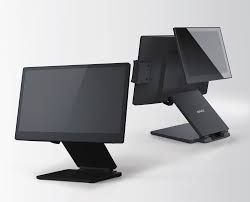 AP-5000D Point of Sale Device جهاز كاشير نقاط البيع
ر.س2,350.00
AP-5000D Point of Sale Device جهاز كاشير نقاط البيع
ر.س2,350.00
-
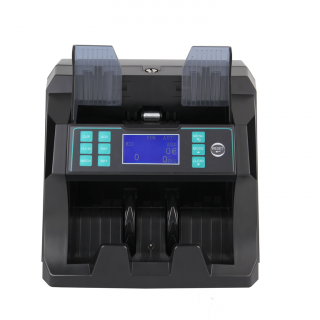 SN-2000
Original price was: ر.س1,955.00.ر.س1,650.00Current price is: ر.س1,650.00.
SN-2000
Original price was: ر.س1,955.00.ر.س1,650.00Current price is: ر.س1,650.00.
-
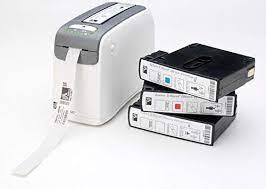 ZEBRA Thermal Wristband Printer HC100
Original price was: ر.س2,500.00.ر.س2,300.00Current price is: ر.س2,300.00.
ZEBRA Thermal Wristband Printer HC100
Original price was: ر.س2,500.00.ر.س2,300.00Current price is: ر.س2,300.00.
-
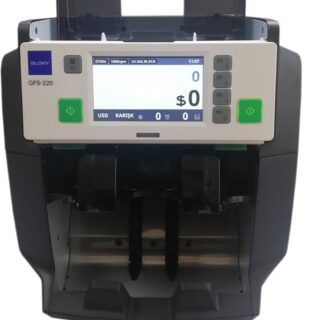 GLORY GFS-220-C
Original price was: ر.س9,500.00.ر.س9,200.00Current price is: ر.س9,200.00.
GLORY GFS-220-C
Original price was: ر.س9,500.00.ر.س9,200.00Current price is: ر.س9,200.00.
-
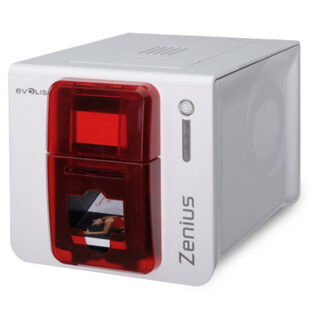 Evolis Zenius Single-Sided ID Card Printer - ZN1U0000RS
ر.س3,800.00
Evolis Zenius Single-Sided ID Card Printer - ZN1U0000RS
ر.س3,800.00
Products
-
AP-5000D Point of Sale Device جهاز كاشير نقاط البيع
ر.س2,350.00
-
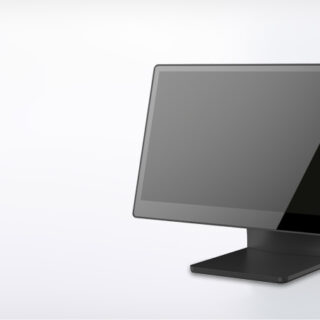 AP-5000 Point of Sale Device جهاز كاشير نقاط البيع
ر.س2,070.00
AP-5000 Point of Sale Device جهاز كاشير نقاط البيع
ر.س2,070.00
-
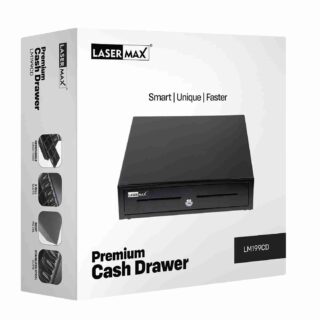 LM199CD - PREMIUM CASH DRAWER
Original price was: ر.س150.00.ر.س130.00Current price is: ر.س130.00.
LM199CD - PREMIUM CASH DRAWER
Original price was: ر.س150.00.ر.س130.00Current price is: ر.س130.00.
-
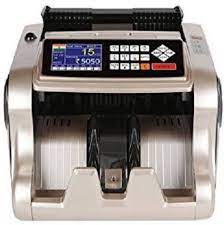 AT-777
Original price was: ر.س1,000.00.ر.س800.00Current price is: ر.س800.00.
AT-777
Original price was: ر.س1,000.00.ر.س800.00Current price is: ر.س800.00.
-
SN-2000
Original price was: ر.س1,955.00.ر.س1,650.00Current price is: ر.س1,650.00.
Leave a Reply