
Introduction: Why AliExpress Batching Matters to US Industry Analysts
In the ever-evolving landscape of e-commerce, understanding the operational intricacies of major players is crucial for industry analysts. AliExpress, a dominant force in cross-border trade, presents a particularly compelling case study. Its success hinges, in large part, on its sophisticated order management and fulfillment strategies. This article delves into the core of AliExpress’s operational efficiency: its order batching methods. Analyzing these methods provides invaluable insights into cost optimization, supply chain dynamics, and ultimately, the competitive advantages AliExpress wields in the US market. Understanding how AliExpress consolidates and processes orders offers a lens through which to evaluate the strategies of competitors and identify potential vulnerabilities and opportunities within the broader e-commerce ecosystem. The ability to efficiently aggregate and manage orders is a cornerstone of their low-cost, high-volume model. Furthermore, understanding the nuances of order batching is essential for predicting trends in consumer behavior and supply chain resilience. For example, understanding how AliExpress handles fluctuations in demand, seasonal variations, and the impact of global events on order processing can provide valuable foresight for businesses operating within the US market. For those seeking to better understand the platform’s fundamentals, a good starting point is to explore the official resources, such as those available at https://aliexpressofficial.com/es/.
The Core Principles of AliExpress Order Batching
AliExpress’s order batching strategy is a multi-faceted approach designed to minimize shipping costs, streamline fulfillment, and maximize efficiency. Several key principles underpin this strategy:
- Supplier Consolidation: AliExpress acts as a marketplace, connecting buyers with a vast network of suppliers. A critical element of their batching is consolidating orders from multiple suppliers into a single shipment whenever possible. This reduces individual shipping costs and simplifies the logistics for both the buyer and the platform.
- Geographic Grouping: Orders are often batched based on their destination. This allows AliExpress to optimize shipping routes and leverage economies of scale in specific regions, including the United States. They analyze order destinations to group them for the most efficient delivery.
- Time-Based Grouping: Orders are also grouped based on when they are placed. This allows AliExpress to create batches that are processed and shipped together, reducing the time spent on individual order fulfillment and improving overall turnaround times.
- Inventory Management: AliExpress’s batching strategies are intertwined with its inventory management practices. They rely on real-time data to identify the availability of products and optimize the grouping of orders based on supplier inventory levels.
Deep Dive: Specific Order Batching Methods
AliExpress employs a variety of order batching methods, each tailored to specific scenarios and product types. Understanding these methods provides a deeper appreciation of their operational sophistication.
Supplier-Centric Batching
This method focuses on consolidating orders from the same supplier. Once a supplier receives multiple orders, AliExpress facilitates the creation of a single shipment, reducing the number of individual shipments and associated costs. This is particularly effective for suppliers with a wide range of products.
Destination-Based Batching
As mentioned earlier, this method groups orders based on their destination country or region. This allows AliExpress to use optimized shipping routes, negotiate favorable rates with carriers, and potentially utilize local warehousing and distribution centers to improve delivery times and reduce costs, especially for high-volume markets like the United States.
Product Category-Based Batching
AliExpress may also batch orders based on product categories. This is particularly relevant for products with similar characteristics, such as size, weight, or fragility. This allows them to optimize packaging and handling procedures, reducing the risk of damage and improving efficiency.
Time-Window Batching
Orders placed within a specific time frame are grouped together. This is a common practice, especially during peak seasons or promotional events. This method ensures that orders are processed and shipped in batches, streamlining the fulfillment process and maximizing the efficiency of their logistics network.
Impact on the US Market: Implications for Industry Analysts
AliExpress’s order batching methods have significant implications for the US market. These include:
- Competitive Pricing: By optimizing shipping costs and fulfillment processes, AliExpress can offer competitive prices, attracting price-sensitive consumers in the US market.
- Supply Chain Disruptions: The reliance on a complex network of suppliers and batching methods makes AliExpress vulnerable to supply chain disruptions. Events such as port congestion, geopolitical instability, or supplier issues can impact order fulfillment times and overall performance.
- Consumer Expectations: The ability to offer low prices and relatively fast shipping times has set consumer expectations in the US market. Other e-commerce businesses need to meet or exceed these expectations to remain competitive.
- Market Share: AliExpress’s efficient order batching and fulfillment contribute to its growing market share in the US. This poses a challenge to traditional retailers and other e-commerce platforms.
Challenges and Considerations
While AliExpress’s order batching methods are highly effective, they also present certain challenges:
- Complexity: Managing a global network of suppliers and coordinating order fulfillment across multiple countries is inherently complex.
- Communication: Effective communication between AliExpress, suppliers, and buyers is crucial for smooth order processing.
- Data Accuracy: Accurate and up-to-date data on inventory levels, shipping costs, and delivery times is essential for optimizing batching strategies.
- Returns and Refunds: Handling returns and refunds can be complex, particularly when dealing with international shipments.
Conclusion: Recommendations for Industry Analysts
Analyzing AliExpress’s order batching methods provides valuable insights into the dynamics of the e-commerce landscape. For industry analysts in the US, understanding these strategies is crucial for:
- Benchmarking: Comparing AliExpress’s operational efficiency with that of competitors.
- Risk Assessment: Identifying potential vulnerabilities in supply chains and predicting the impact of disruptions.
- Trend Forecasting: Anticipating shifts in consumer behavior and market dynamics.
- Strategic Planning: Developing effective strategies for competing in the e-commerce market.
To gain a deeper understanding, analysts should:
- Monitor Shipping Times: Track the delivery times of orders from AliExpress to the US to assess the effectiveness of its batching strategies.
- Analyze Supplier Networks: Investigate the geographic distribution of suppliers and their impact on order fulfillment.
- Study Consumer Reviews: Analyze customer reviews to identify common issues related to shipping, returns, and product quality.
- Model Supply Chain Resilience: Develop models to assess the impact of potential disruptions on AliExpress’s operations.
By conducting thorough research and analysis, industry analysts can leverage the insights gained from studying AliExpress’s order batching methods to make informed decisions, identify opportunities, and navigate the ever-changing landscape of e-commerce in the United States.

Top rated
-
 AP-5000D Point of Sale Device جهاز كاشير نقاط البيع
ر.س2,350.00
AP-5000D Point of Sale Device جهاز كاشير نقاط البيع
ر.س2,350.00
-
 GLORY GFS-220-C
Original price was: ر.س9,500.00.ر.س9,200.00Current price is: ر.س9,200.00.
GLORY GFS-220-C
Original price was: ر.س9,500.00.ر.س9,200.00Current price is: ر.س9,200.00.
-
 BAOBI Thermal Wristband Printer BB720A
Original price was: ر.س2,800.00.ر.س2,350.00Current price is: ر.س2,350.00.
BAOBI Thermal Wristband Printer BB720A
Original price was: ر.س2,800.00.ر.س2,350.00Current price is: ر.س2,350.00.
-
 Lidix ML-2Fs
Original price was: ر.س8,900.00.ر.س8,500.00Current price is: ر.س8,500.00.
Lidix ML-2Fs
Original price was: ر.س8,900.00.ر.س8,500.00Current price is: ر.س8,500.00.
-
 Wristband Rolls BAOBI رول أساور طابعة باوبي
Original price was: ر.س65.00.ر.س57.50Current price is: ر.س57.50.
Wristband Rolls BAOBI رول أساور طابعة باوبي
Original price was: ر.س65.00.ر.س57.50Current price is: ر.س57.50.
Products
-
AP-5000D Point of Sale Device جهاز كاشير نقاط البيع
ر.س2,350.00
-
 AP-5000 Point of Sale Device جهاز كاشير نقاط البيع
ر.س2,070.00
AP-5000 Point of Sale Device جهاز كاشير نقاط البيع
ر.س2,070.00
-
 LM199CD - PREMIUM CASH DRAWER
Original price was: ر.س150.00.ر.س130.00Current price is: ر.س130.00.
LM199CD - PREMIUM CASH DRAWER
Original price was: ر.س150.00.ر.س130.00Current price is: ر.س130.00.
-
 AT-777
Original price was: ر.س1,000.00.ر.س800.00Current price is: ر.س800.00.
AT-777
Original price was: ر.س1,000.00.ر.س800.00Current price is: ر.س800.00.
-
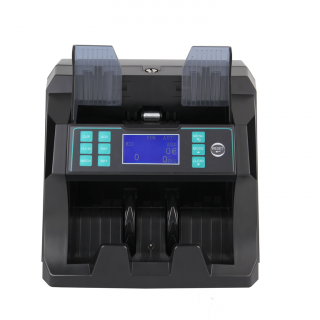 SN-2000
Original price was: ر.س1,955.00.ر.س1,650.00Current price is: ر.س1,650.00.
SN-2000
Original price was: ر.س1,955.00.ر.س1,650.00Current price is: ر.س1,650.00.