
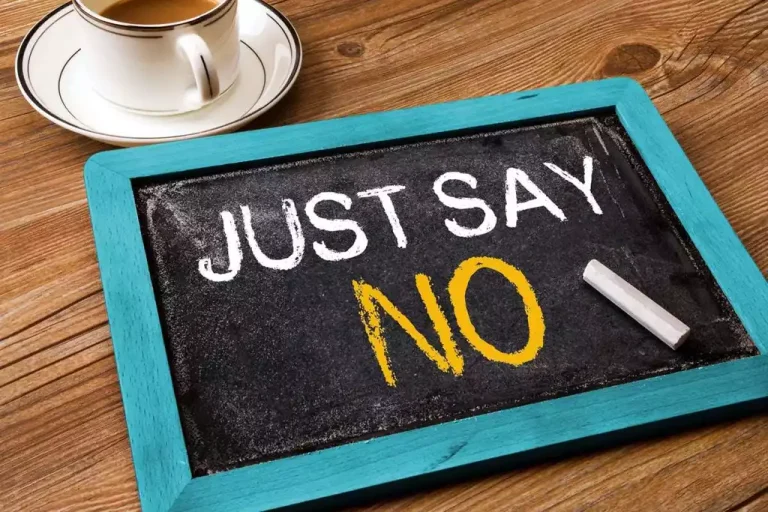
First, if you’re recently leaving a rehab stay or have just wrapped up an outpatient program, a sober living facility may provide you with the structure you need. Halfway houses, also known as sober re-entry programs, tend to be more structured. Other times, they function as a more intensive residential facility, meaning that there is consistent recovery programming, requirements, and staff present in the house. Opening a sober living home in New York is a great way to get started in the behavioral health industry. In our blog post on how to open an addiction treatment center in New York, we shared that over 1.9 million New Yorkers are struggling with addiction. These high rates of addiction mean that not only are addiction treatment centers in demand, but sober living homes are easy to fill in New York state, as well.
Benefits Of Sober Living Housing
- Sober-living homes provide a strong support network and community to help you safely navigate the tough spots and triggers you may encounter.
- So, let’s break it down together and help you understand what a Sober Living Home is, why the time you spend there matters, and how to figure out the best stay length for you.
- Most treatment facilities can help determine if your insurance is eligible for outpatient rehab.
- Sober living homes for the LGBTQ+ help them recover by focusing on self-acceptance, peer support, and mental health.
- When you’re on the road to recovery from addiction, knowing how long to stay in a Sober Living Home can be tricky.
These meetings, whether formal or informal, provide opportunities for residents to connect, learn from one another, and build the mutual support that is critical for long-term recovery. Most sober living homes require residents to pay their own rent and do chores. With some exceptions, sober living homes usually aren’t eligible for insurance coverage because they’re not considered a treatment facility by the government. This is because sober living homes don’t offer treatment as rehab facilities do. While this seems like a disadvantage, paying rent can help a resident continue responsible financial habits.
Renewal Center for Ongoing Recovery
- The emphasis is on creating a community-oriented atmosphere where residents participate in shared responsibilities like chores and attending group meetings.
- And while sober living homes are often self-governing and financed by residents, many halfway houses are administered by the government and reliant on public funding.
- This ensures that residents have ongoing support as they work towards total independence.
- This is done to maintain a secure and supportive environment within the sober living home.
- It developed four levels of support that can be used to characterize most sober living homes.
Often the structure and routine of treatment programs help keep folks sober, and risking the loss of that when completing the program can be a threat to your recovery. Luxury recovery homes are high-end residences offering a blend of comfort, sober house near me privacy, and top-tier amenities for people seeking addiction recovery in an upscale environment. Sober living homes can be a good option for individuals struggling with addiction who are looking for a safe and supportive place to heal.
Legal Efforts in New York State Have Yet to Effectively Make Any Headway in Regulating the Sober Living Community
- Halfway houses, like other recovery and sober-living houses, are intended to gently reintroduce tenants back into society, free from the pressures and triggers of a potentially dangerous home environment.
- It also provides a therapeutic space where you can get support from peers who are also recovering from substance abuse.
- But many sober homes require residents to attend support group meetings or participate in 12-step programs or outpatient treatment, which may be an additional cost for residents to consider.
Sober living caters to individuals battling various substance addictions, including alcohol. Ensure you research homes specializing in alcohol recovery to provide him with the most tailored support. Upon entering a Sober Living Home, you’ll first notice the structured environment, which maintains a supportive and substance-free ambiance. These homes enforce specific rules like curfews, mandatory house meetings, and routine drug tests. Not adhering to these rules can lead to consequences, with severe breaches potentially resulting in eviction.
Are You Looking at Sober-Living Houses? Here Are a Few Things You Should Know
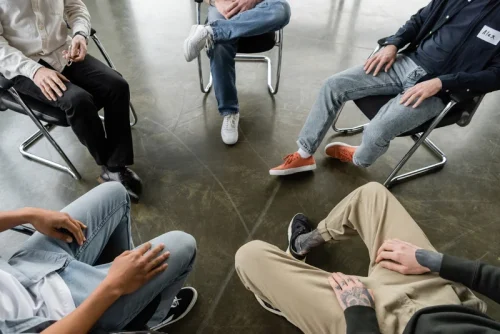
The lack of regulation has led to the creation of homes that lack access to support services or strict rules. An American Journal of Public Health study compared individuals who lived in a sober living home to those who only received outpatient treatment or attended self-help groups. Rules vary depending on each home or accrediting organization, but most sober living homes have several rules in common. Sober living homes usually house only same-sex residents and require residents to complete either a detox program or an inpatient rehab program before moving in. Your friends or family members may tempt you with alcohol or other drugs by consuming them in front of you. Staying longer provides a protective, substance-free environment and gives residents the time to heal, grow, and adapt to an independent life while building tools to prevent relapse.
Benefits of Staying Longer in Sober Living Homes

Sober Living Home & Oxford House Rules


Top rated
-
 AP-5000D Point of Sale Device جهاز كاشير نقاط البيع
ر.س2,350.00
AP-5000D Point of Sale Device جهاز كاشير نقاط البيع
ر.س2,350.00
-
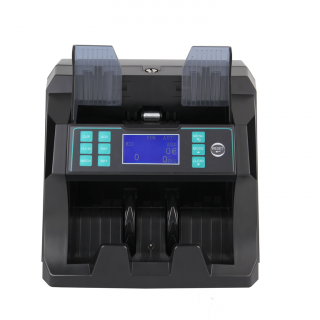 SN-2000
Original price was: ر.س1,955.00.ر.س1,650.00Current price is: ر.س1,650.00.
SN-2000
Original price was: ر.س1,955.00.ر.س1,650.00Current price is: ر.س1,650.00.
-
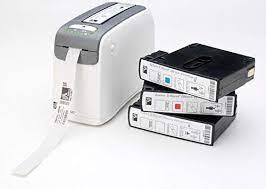 ZEBRA Thermal Wristband Printer HC100
Original price was: ر.س2,500.00.ر.س2,300.00Current price is: ر.س2,300.00.
ZEBRA Thermal Wristband Printer HC100
Original price was: ر.س2,500.00.ر.س2,300.00Current price is: ر.س2,300.00.
-
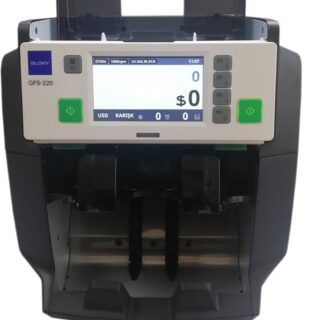 GLORY GFS-220-C
Original price was: ر.س9,500.00.ر.س9,200.00Current price is: ر.س9,200.00.
GLORY GFS-220-C
Original price was: ر.س9,500.00.ر.س9,200.00Current price is: ر.س9,200.00.
-
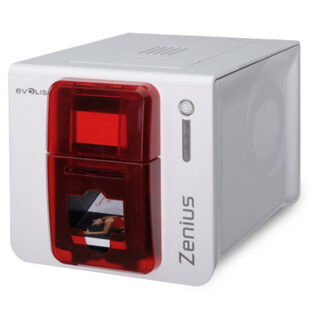 Evolis Zenius Single-Sided ID Card Printer - ZN1U0000RS
ر.س3,800.00
Evolis Zenius Single-Sided ID Card Printer - ZN1U0000RS
ر.س3,800.00
Products
-
AP-5000D Point of Sale Device جهاز كاشير نقاط البيع
ر.س2,350.00
-
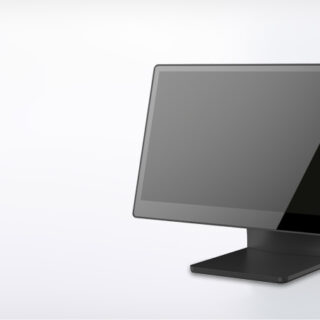 AP-5000 Point of Sale Device جهاز كاشير نقاط البيع
ر.س2,070.00
AP-5000 Point of Sale Device جهاز كاشير نقاط البيع
ر.س2,070.00
-
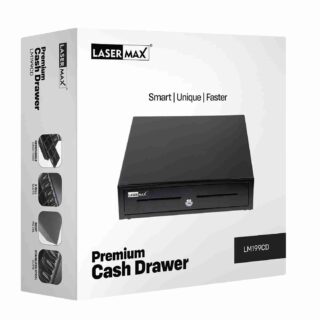 LM199CD - PREMIUM CASH DRAWER
Original price was: ر.س150.00.ر.س130.00Current price is: ر.س130.00.
LM199CD - PREMIUM CASH DRAWER
Original price was: ر.س150.00.ر.س130.00Current price is: ر.س130.00.
-
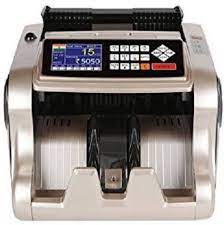 AT-777
Original price was: ر.س1,000.00.ر.س800.00Current price is: ر.س800.00.
AT-777
Original price was: ر.س1,000.00.ر.س800.00Current price is: ر.س800.00.
-
SN-2000
Original price was: ر.س1,955.00.ر.س1,650.00Current price is: ر.س1,650.00.
Leave a Reply