
Introduction: Why Bankroll Management is Your Secret Weapon
For the seasoned gambler in India, the thrill of the game is undeniable. Whether it’s the spin of the roulette wheel, the strategic depths of poker, or the lightning-fast action of online slots, the pursuit of a win is a constant companion. However, consistent success isn’t solely about luck or intuition; it’s about disciplined strategy, and at the heart of that strategy lies effective bankroll management. This is the art of allocating your funds to maximize your chances of winning and, crucially, minimize your risk of ruin. Think of it as the financial architecture underpinning your gambling endeavors. Without a solid foundation, even the most skilled player can crumble. Understanding and implementing robust bankroll allocation strategies is not just advisable; it’s essential for long-term survival and profitability. From the bustling casinos of Goa to the comfort of your own home, where you might be exploring options like the aviator pin up casino, a well-managed bankroll is your shield against the inevitable swings of fortune.
The Pillars of Bankroll Allocation
Defining Your Bankroll
The first step is establishing your dedicated gambling bankroll. This is the specific sum of money you allocate *solely* for gambling. It should be separate from your essential living expenses, savings, and other financial commitments. This separation is crucial for responsible gambling and prevents potentially devastating financial consequences. Determine an amount you are comfortable losing; this is your starting point. Consider your overall financial situation, your risk tolerance, and the time frame you plan to gamble. Remember, this is money you can afford to lose without impacting your lifestyle.
Game Selection and Variance
Different casino games have varying levels of volatility, or variance. High-variance games, such as certain slot machines or games with large payouts, involve more significant swings in your bankroll. You might experience extended losing streaks followed by infrequent, substantial wins. Low-variance games, like some forms of blackjack or video poker with optimal strategy, offer more consistent, albeit smaller, wins. Your bankroll allocation strategy must align with the games you choose to play. For high-variance games, you’ll need a larger bankroll and smaller bet sizes to weather the storms. For low-variance games, you can potentially use a smaller bankroll and increase your bet sizes, but always with caution.
Bet Sizing Strategies
Bet sizing is the cornerstone of bankroll allocation. The key is to avoid betting too much on any single wager. Several popular strategies can guide your bet sizing:
- Fixed Percentage: This is a widely used and generally safe approach. You allocate a fixed percentage of your bankroll to each bet. For example, you might risk 1-2% of your bankroll per bet. This automatically adjusts your bet size as your bankroll grows or shrinks, ensuring you never risk a disproportionate amount.
- Kelly Criterion: This more aggressive strategy calculates the optimal bet size based on your edge (the expected profit) and the odds. It aims to maximize your bankroll growth over time. However, it’s more complex and requires a precise understanding of your edge. It can also be riskier, especially if your edge calculation is inaccurate.
- Unit Betting: This involves dividing your bankroll into units and betting a fixed number of units per bet. This is a simpler version of the fixed percentage strategy.
The choice of strategy depends on your risk tolerance, the games you play, and your overall goals. Remember to start conservatively and adjust your bet sizing as you gain experience and confidence.
Tracking and Analysis
Meticulous record-keeping is vital. Track every bet you make, the game you played, the amount wagered, and the outcome. This data will allow you to analyze your performance, identify winning and losing patterns, and refine your bankroll allocation strategy. Use spreadsheets, dedicated gambling tracking apps, or even a simple notebook to log your activity. Regularly review your data to see if your chosen bet sizing is working, or if you need to adjust your strategy.
Advanced Bankroll Management Techniques
Setting Win and Loss Limits
Before you start gambling, define clear win and loss limits. A win limit is the point at which you will stop playing, regardless of how well you are doing. This prevents you from getting greedy and risking your winnings. A loss limit is the maximum amount you are willing to lose in a session or a day. When you reach this limit, stop playing. These limits are crucial for curbing impulsive behavior and protecting your bankroll.
Progressive Betting Systems (Use with Caution)
Progressive betting systems involve adjusting your bet size based on the outcome of the previous bet. The Martingale system, for example, involves doubling your bet after each loss, aiming to recover losses with a single win. These systems can lead to rapid gains in the short term, but they are inherently risky. They require a large bankroll and can quickly lead to significant losses if you experience a long losing streak. Other progressive systems, such as the Fibonacci sequence, are less aggressive, but still carry risk. Use these systems with extreme caution and only if you fully understand their mechanics and inherent dangers.
Diversification (Across Games)
Consider diversifying your gambling activities across different games. This can help mitigate risk by spreading your bankroll over various options. If you’re experiencing a losing streak in one game, you might be able to recoup some losses in another. However, ensure you have a sufficient bankroll to cover the minimum bets across all the games you play.
Conclusion: Staying in the Game
Effective bankroll allocation is not a rigid set of rules; it’s a dynamic process that requires constant adaptation and refinement. By understanding your bankroll, choosing games wisely, employing appropriate bet sizing strategies, and diligently tracking your results, you can significantly improve your chances of long-term success. Remember to set clear win and loss limits, and be wary of overly aggressive betting systems. Ultimately, responsible gambling is about making informed decisions, managing your risk, and enjoying the thrill of the game without jeopardizing your financial well-being. By embracing these principles, you’ll be better equipped to navigate the exciting world of online gambling and increase your chances of staying in the game for the long haul. Good luck, and gamble responsibly!

Top rated
-
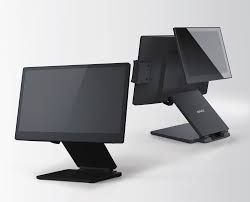 AP-5000D Point of Sale Device جهاز كاشير نقاط البيع
ر.س2,350.00
AP-5000D Point of Sale Device جهاز كاشير نقاط البيع
ر.س2,350.00
-
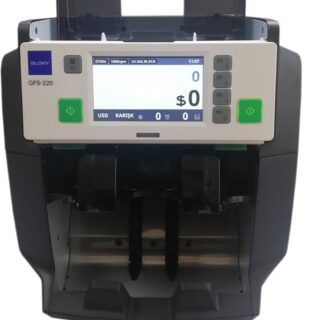 GLORY GFS-220-C
Original price was: ر.س9,500.00.ر.س9,200.00Current price is: ر.س9,200.00.
GLORY GFS-220-C
Original price was: ر.س9,500.00.ر.س9,200.00Current price is: ر.س9,200.00.
-
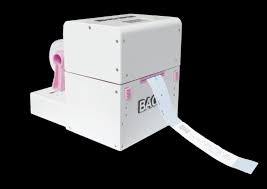 BAOBI Thermal Wristband Printer BB720A
Original price was: ر.س2,800.00.ر.س2,350.00Current price is: ر.س2,350.00.
BAOBI Thermal Wristband Printer BB720A
Original price was: ر.س2,800.00.ر.س2,350.00Current price is: ر.س2,350.00.
-
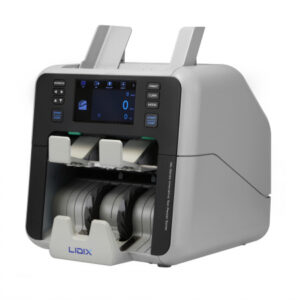 Lidix ML-2Fs
Original price was: ر.س8,900.00.ر.س8,500.00Current price is: ر.س8,500.00.
Lidix ML-2Fs
Original price was: ر.س8,900.00.ر.س8,500.00Current price is: ر.س8,500.00.
-
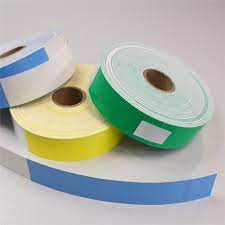 Wristband Rolls BAOBI رول أساور طابعة باوبي
Original price was: ر.س65.00.ر.س57.50Current price is: ر.س57.50.
Wristband Rolls BAOBI رول أساور طابعة باوبي
Original price was: ر.س65.00.ر.س57.50Current price is: ر.س57.50.
Products
-
AP-5000D Point of Sale Device جهاز كاشير نقاط البيع
ر.س2,350.00
-
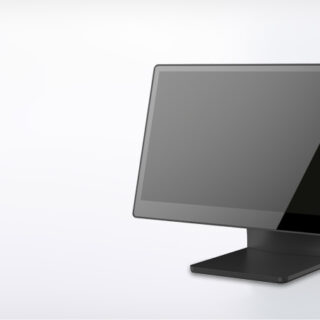 AP-5000 Point of Sale Device جهاز كاشير نقاط البيع
ر.س2,070.00
AP-5000 Point of Sale Device جهاز كاشير نقاط البيع
ر.س2,070.00
-
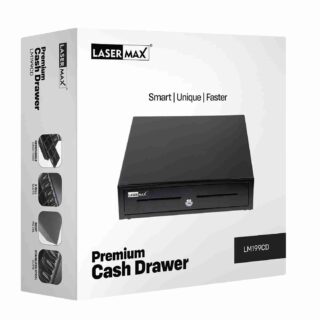 LM199CD - PREMIUM CASH DRAWER
Original price was: ر.س150.00.ر.س130.00Current price is: ر.س130.00.
LM199CD - PREMIUM CASH DRAWER
Original price was: ر.س150.00.ر.س130.00Current price is: ر.س130.00.
-
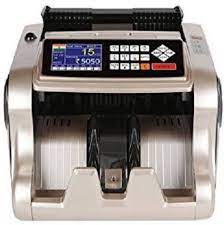 AT-777
Original price was: ر.س1,000.00.ر.س800.00Current price is: ر.س800.00.
AT-777
Original price was: ر.س1,000.00.ر.س800.00Current price is: ر.س800.00.
-
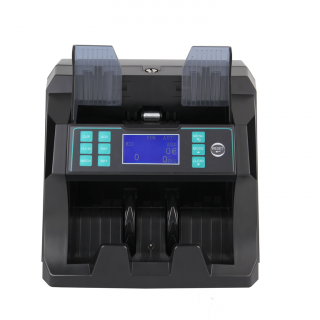 SN-2000
Original price was: ر.س1,955.00.ر.س1,650.00Current price is: ر.س1,650.00.
SN-2000
Original price was: ر.س1,955.00.ر.س1,650.00Current price is: ر.س1,650.00.