

With loneliness and addiction on the rise, we are beginning to understand how the two interact – and what it could mean for the recovery of these millions of people. On the journey to recovery from addiction, loneliness can itself be a glaring risk factor for relapse and an overwhelming obstacle to achieving sobriety in the first place. This is especially true for people who are just recovering from addiction. Setting boundaries that will keep you focused on your recovery, and allow you to enjoy healthy relationships, can help keep you away from old triggers or unhealthy relationship patterns. With clear boundaries, you can build a relationship after rehab that doesn’t compromise your sobriety and mental health. In recovery, avoiding stress as much as possible is essential for healing.
Broken and Bleeding: Emotional Trauma and Substance Use Disorder
If you need to work on shyness, or being uncomfortable with people, then so be it; let’s start working on it. I know you can do it because you are here reading these words, trying to improve yourself. Polish your listening skills and body language to make people feel comfortable. You might think that this is the opposite of what you want to do to improve your self-esteem. Still, by focusing your attention on other people, you create an aura of likeability that they gravitate towards, making them choose you over others. And when you are singled out as a good person who’s terrific to be with, your self-esteem grows.
What is the Harm Reduction Model of Addiction Treatment?
This may involve financial reimbursement, completing obligations, or other forms of reparative actions as determined by the specific situation.
Treatment Facilities
Trust is a fundamental part of every relationship, and it often takes a big hit during periods of substance use. Rebuilding lost trust can be a priority when repairing connections during recovery. If you’re recovering from substance use disorder (SUD) or you love someone who is, you know just how challenging it can be to heal the harm that may have occurred.
Relationships interact with addiction and recovery efforts.

Frequently, wanting to “fix” important relationships immediately is based on a desire to alleviate the emotional pain of having hurt loved ones. But pain—both emotional and physical—is an inevitable aspect of life. The process of recovery requires learning how to accept and go through the pain that relationships in recovery life brings you. Part of this process is accepting that repairing the damage your addiction has done to your relationships will only happen gradually over time—based on what you do rather than what you say. The saying “actions speak louder than words” is especially accurate related to recovery.
Balancing a Relationship and Personal Recovery Goals

Enter your phone number below to receive a free and confidential call from a treatment provider. Get professional help from an online addiction and mental health counselor from BetterHelp. Your SUD recovery may benefit from the social support and closeness, too. But stable and loving relationships are possible with someone who’s in recovery. Without honest communication, both people can end up feeling misunderstood and mistreated, she adds. When you enter recovery, it’s natural to want to repair this damage as soon as possible, and your impulse might be to try to do just that.
I really think that at some deep level, we know that drinking and drugging is not a positive influence on our life. That push and pull of wanting to stop, then having to use, can play havoc with how we feel about ourselves. Empathy helps us better relate to our loved ones because it allows us to step into their shoes emotionally, creating a deeper bond during the healing process. One must accept that everyone has different standpoints based on their diverse experiences in life. Such differences must be respected, and efforts should be made to try to see things from another person’s point of view. Whether walking together, going to meetings as a group, or trying out hobbies together, shared experiences create strong bonds between people.
What are the Steps for Repairing Relationships in Recovery?
- Demonstrating commitment to recovery and regaining trust, while respecting these boundaries, provides the necessary space for healing and relationship building.
- Helplessness compounds the frustration, as they want their loved one to break free from addiction.
- A strong connection in recovery encourages individuals to stay on track and remain committed to their sobriety goals.
- The foundation of mending relationships is recognizing the impact of your substance abuse on others.
- In terms of the relationships you want to improve, how long did it take to damage them in the ways that you had prior to commencing recovery?
Navigating relationships after recovery can be a complex and challenging process. It involves managing existing relationships and identifying toxic ones. It’s crucial to handle each relationship type with care and consideration, as they play a significant role in the ongoing recovery journey. https://ecosoberhouse.com/ Be open and honest about your struggles and progress in recovery. Sharing your feelings and experiences with others can help you feel connected and understood. Open communication also encourages others to share their own stories, leading to deeper connections and mutual support.
They don’t need to be based around getting high and checking out. It can be scary and strange at first, but you may find amazing people who will support you during the process of recovery and maintaining sobriety. The friends and connections you make with others during recovery, can open your world up to different kinds of people and to a mindset of building yourself up and accountability. Also, when life gets difficult or challenging, having good friends who are also on the journey to recovery can provide the support you need for when something is challenging or rough. Substance abuse often damages trust and erodes respect within relationships.
- We get to wake up with ourselves every morning and go to bed with ourselves every night.
- Addiction can be a lonely and isolating experience, often making individuals feel disconnected from their surroundings.
- Lumina Recovery offers compassionate, comprehensive addiction treatment, including inpatient and outpatient care, and medication-assisted treatment (MAT).
- Restoring trust with loved ones post-rehab requires patience and understanding that the process takes time.

People in recovery from substance use disorders need to heal themselves and build healthy relationships in recovery and beyond. The path to sobriety often reveals the impact of drugs and alcohol on loved ones and highlights the need for rebuilding trust, forging new connections, and fixing unhealthy relationships. Recovery is a transformative process that involves self-reflection, personal growth, and rebuilding healthy relationships, which are crucial for success on the challenging road to recovery. This journey often involves navigating relationships post-addiction, not just creating new connections but managing existing relationships in a healthier manner post-recovery. The path to recovery often involves rebuilding healthy relationships that were dissolved by the earlier addiction-related behavior, with the help of a supportive community. According to Dolores Malaspina, professor of psychiatry, neuroscience, and genetics at the Icahn School of Medicine at Mount Sinai in New York, humans have an innate biological drive to connect.

Top rated
-
 AP-5000D Point of Sale Device جهاز كاشير نقاط البيع
ر.س2,350.00
AP-5000D Point of Sale Device جهاز كاشير نقاط البيع
ر.س2,350.00
-
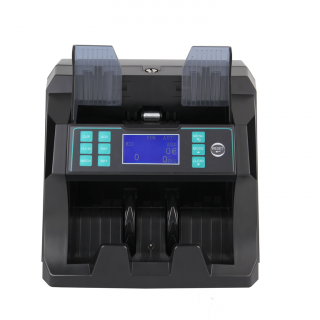 SN-2000
Original price was: ر.س1,955.00.ر.س1,650.00Current price is: ر.س1,650.00.
SN-2000
Original price was: ر.س1,955.00.ر.س1,650.00Current price is: ر.س1,650.00.
-
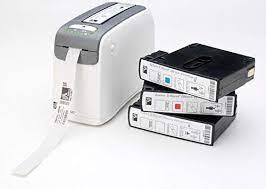 ZEBRA Thermal Wristband Printer HC100
Original price was: ر.س2,500.00.ر.س2,300.00Current price is: ر.س2,300.00.
ZEBRA Thermal Wristband Printer HC100
Original price was: ر.س2,500.00.ر.س2,300.00Current price is: ر.س2,300.00.
-
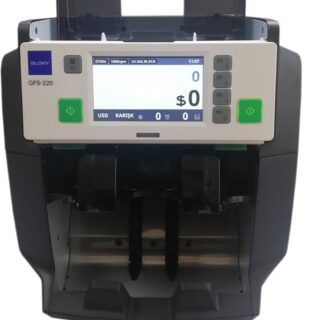 GLORY GFS-220-C
Original price was: ر.س9,500.00.ر.س9,200.00Current price is: ر.س9,200.00.
GLORY GFS-220-C
Original price was: ر.س9,500.00.ر.س9,200.00Current price is: ر.س9,200.00.
-
 Evolis Zenius Single-Sided ID Card Printer - ZN1U0000RS
ر.س3,800.00
Evolis Zenius Single-Sided ID Card Printer - ZN1U0000RS
ر.س3,800.00
Products
-
AP-5000D Point of Sale Device جهاز كاشير نقاط البيع
ر.س2,350.00
-
 AP-5000 Point of Sale Device جهاز كاشير نقاط البيع
ر.س2,070.00
AP-5000 Point of Sale Device جهاز كاشير نقاط البيع
ر.س2,070.00
-
 LM199CD - PREMIUM CASH DRAWER
Original price was: ر.س150.00.ر.س130.00Current price is: ر.س130.00.
LM199CD - PREMIUM CASH DRAWER
Original price was: ر.س150.00.ر.س130.00Current price is: ر.س130.00.
-
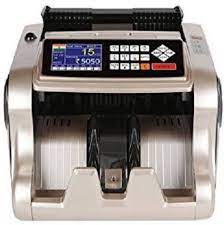 AT-777
Original price was: ر.س1,000.00.ر.س800.00Current price is: ر.س800.00.
AT-777
Original price was: ر.س1,000.00.ر.س800.00Current price is: ر.س800.00.
-
SN-2000
Original price was: ر.س1,955.00.ر.س1,650.00Current price is: ر.س1,650.00.
Leave a Reply