
Introduction: Why RNG Matters to You, the Analyst
Alright, team, let’s talk about the engine that drives the Irish online casino boom: Random Number Generator (RNG) technology. As industry analysts, you’re the ones tasked with understanding the intricacies of this dynamic landscape. You need to know what’s happening under the hood, and that’s where RNG comes in. It’s the bedrock of fairness, the guarantor of unpredictability, and ultimately, the key to player trust and long-term sustainability. Without a robust understanding of RNG, your market analyses, risk assessments, and investment strategies are built on shaky ground. It’s the invisible hand that shapes every spin of the reel, every card dealt, and every dice roll. Think of it this way: if you’re assessing a new online casino, you’re essentially assessing its RNG. It’s that critical. For example, if you’re looking at a new operator, you’ll want to be sure they have a solid RNG in place, like the one offered by gransino, as a sign of their commitment to fair play.
The Nuts and Bolts: How RNG Works
So, how does this magic work? At its core, an RNG is a complex algorithm designed to produce a sequence of numbers that appear random. These numbers are then mapped to the outcomes of casino games – the symbols on a slot machine, the cards in a hand of poker, or the numbers on a roulette wheel. The “randomness” is crucial. It’s not just about picking numbers; it’s about ensuring that each outcome is independent of the previous one and that there’s no way to predict the next result. This is achieved through sophisticated mathematical formulas and the use of “seeds,” which are essentially starting points for the algorithm. These seeds can be generated from various sources, such as the system clock or even atmospheric noise, to further enhance the unpredictability.
The Seed of Success: Randomness and its Sources
The quality of the seed is paramount. A weak or predictable seed can compromise the randomness of the RNG, potentially leading to exploitable patterns. That’s why reputable online casinos invest heavily in robust seed generation methods. They often employ multiple sources to ensure that the RNG remains truly random. This includes using hardware-based random number generators (HWRNGs), which utilize physical phenomena like thermal noise or radioactive decay to generate truly unpredictable numbers. These HWRNGs are then used to seed the software-based RNGs, creating a layered approach to randomness.
The Algorithm’s Architecture: Types of RNGs
There are different types of RNGs, each with its own strengths and weaknesses. The most common are:
- Linear Congruential Generators (LCGs): These are relatively simple and fast, but they can be less secure and prone to predictable patterns if not implemented correctly. They’re often used in less critical applications.
- Mersenne Twister: This is a more sophisticated and widely used algorithm known for its long period and good statistical properties. It’s a popular choice for many online casino games.
- Cryptographically Secure Pseudo-Random Number Generators (CSPRNGs): These are designed with security in mind and are considered the gold standard. They are more computationally intensive but offer the highest level of randomness and protection against manipulation.
The choice of RNG depends on factors such as the game’s complexity, the required level of security, and the computational resources available. The best online casinos will use CSPRNGs or other robust algorithms to ensure the integrity of their games.
Verification and Validation: Ensuring Fairness
Understanding the technology is only half the battle. The other half is ensuring that the RNG is functioning correctly and that the games are fair. This is where independent testing and certification come in. Reputable online casinos will have their RNGs regularly tested and certified by independent third-party organizations, such as eCOGRA, iTech Labs, or GLI. These organizations use rigorous testing methods to verify that the RNG meets industry standards and that the games are truly random and fair.
The Role of Independent Testing Labs
These labs perform a variety of tests, including:
- Statistical Analysis: They analyze the output of the RNG to ensure that it meets statistical criteria for randomness, such as uniform distribution and independence.
- Source Code Review: They examine the source code of the RNG to identify any potential vulnerabilities or manipulation attempts.
- Game Testing: They play the games extensively to verify that the payout percentages (RTP – Return to Player) are in line with the advertised values.
The certification from these labs provides players with confidence that the games are fair and that the casino is operating ethically. It’s a crucial element in building trust and attracting players in the competitive Irish online casino market.
Understanding RTP and Volatility
Beyond the RNG itself, you need to understand the concepts of Return to Player (RTP) and volatility. RTP is the percentage of all wagered money that a game is expected to pay back to players over time. Volatility, or variance, measures the risk associated with a game. High-volatility games offer the potential for larger wins but also carry a higher risk of losing. Low-volatility games offer smaller, more frequent wins. Both RTP and volatility are determined by the game’s design and the underlying RNG. As analysts, you should be looking at these metrics closely when evaluating a casino’s game selection and its overall risk profile.
The Future of RNG in the Irish Market
The future of RNG technology in the Irish online casino market is bright, with continuous advancements. We can expect to see:
- Increased Security: As cyber threats evolve, so too will the security measures protecting RNGs. This includes the use of more sophisticated encryption techniques and hardware-based solutions.
- Enhanced Transparency: Players are demanding more transparency. We’ll likely see casinos providing more detailed information about their RNGs, including the testing reports and the algorithms used.
- Integration with New Technologies: The rise of blockchain and other emerging technologies could lead to new ways of generating and verifying randomness, potentially creating even more secure and transparent gaming experiences.
- Mobile Optimization: With the increasing popularity of mobile gaming, RNGs will need to be optimized for mobile devices, ensuring smooth and fair gameplay on smaller screens.
Conclusion: Key Takeaways and Recommendations
In conclusion, RNG technology is the lifeblood of the Irish online casino industry. As analysts, you must understand its intricacies to accurately assess the market, evaluate operators, and make informed investment decisions. Remember these key takeaways:
- RNG is the foundation of fairness and player trust.
- Independent testing and certification are essential.
- RTP and volatility are crucial metrics to consider.
- The future of RNG is about increased security, transparency, and integration with new technologies.
Recommendations:
- Due Diligence: Always investigate the RNG of any online casino you’re evaluating. Look for certifications from reputable testing labs.
- Stay Informed: Keep up-to-date with the latest advancements in RNG technology and the evolving regulatory landscape.
- Focus on Transparency: Prioritize operators who are transparent about their RNGs and testing procedures.
- Analyze Data: Use data analytics to track game performance, RTP, and volatility to identify trends and assess risk.
By understanding and applying these insights, you’ll be well-equipped to navigate the complexities of the Irish online casino market and make sound, data-driven decisions. Good luck, and happy analyzing!

Top rated
-
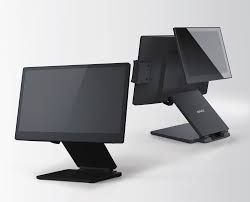 AP-5000D Point of Sale Device جهاز كاشير نقاط البيع
ر.س2,350.00
AP-5000D Point of Sale Device جهاز كاشير نقاط البيع
ر.س2,350.00
-
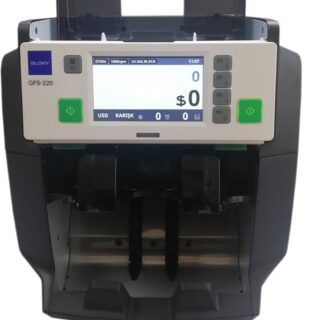 GLORY GFS-220-C
Original price was: ر.س9,500.00.ر.س9,200.00Current price is: ر.س9,200.00.
GLORY GFS-220-C
Original price was: ر.س9,500.00.ر.س9,200.00Current price is: ر.س9,200.00.
-
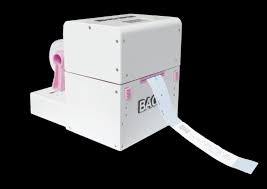 BAOBI Thermal Wristband Printer BB720A
Original price was: ر.س2,800.00.ر.س2,350.00Current price is: ر.س2,350.00.
BAOBI Thermal Wristband Printer BB720A
Original price was: ر.س2,800.00.ر.س2,350.00Current price is: ر.س2,350.00.
-
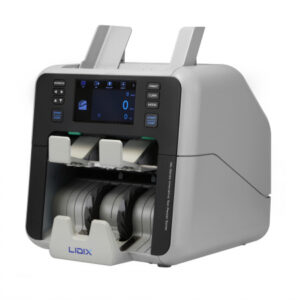 Lidix ML-2Fs
Original price was: ر.س8,900.00.ر.س8,500.00Current price is: ر.س8,500.00.
Lidix ML-2Fs
Original price was: ر.س8,900.00.ر.س8,500.00Current price is: ر.س8,500.00.
-
 Wristband Rolls BAOBI رول أساور طابعة باوبي
Original price was: ر.س65.00.ر.س57.50Current price is: ر.س57.50.
Wristband Rolls BAOBI رول أساور طابعة باوبي
Original price was: ر.س65.00.ر.س57.50Current price is: ر.س57.50.
Products
-
AP-5000D Point of Sale Device جهاز كاشير نقاط البيع
ر.س2,350.00
-
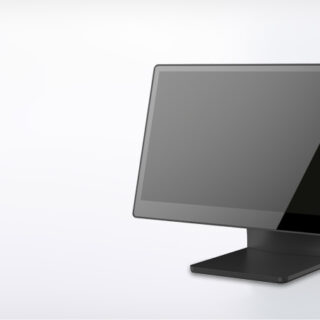 AP-5000 Point of Sale Device جهاز كاشير نقاط البيع
ر.س2,070.00
AP-5000 Point of Sale Device جهاز كاشير نقاط البيع
ر.س2,070.00
-
 LM199CD - PREMIUM CASH DRAWER
Original price was: ر.س150.00.ر.س130.00Current price is: ر.س130.00.
LM199CD - PREMIUM CASH DRAWER
Original price was: ر.س150.00.ر.س130.00Current price is: ر.س130.00.
-
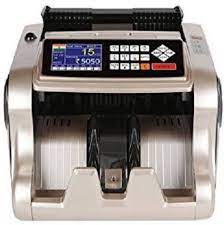 AT-777
Original price was: ر.س1,000.00.ر.س800.00Current price is: ر.س800.00.
AT-777
Original price was: ر.س1,000.00.ر.س800.00Current price is: ر.س800.00.
-
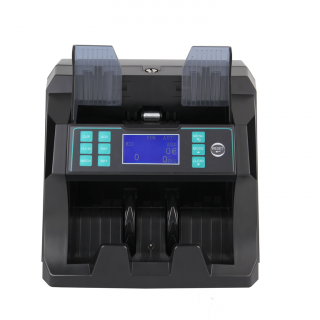 SN-2000
Original price was: ر.س1,955.00.ر.س1,650.00Current price is: ر.س1,650.00.
SN-2000
Original price was: ر.س1,955.00.ر.س1,650.00Current price is: ر.س1,650.00.