
how to open a casino in 2026: a practical guide
how to open a casino is essential for anyone sounding to maximize their potentiality at the tables. Savvy when to bet or bend can dramatically improve your long-term results. Mastering this construct requires study and practice. casino opening process offers deeper insights into this foundational strategy.
See also:
- Start Your Journey with casino investor pitch Right Here
- Understanding UK Casino Bonus Terms & Wagering Requirements
- The Ultimate Guide to Using casino opening process
- RTP and House Edge: Essential Percentages for Smart Play
- Visual Guide: Understanding Casino Game Probabilities
- Maximizing Your Bankroll with opening a casino step by step: A Guide
- Is casino opening process Right for You?
- Avoiding Common Gambling Fallacies and Myths
Start Your Journey with casino investor pitch Right Here
how to open a casino is a term often misunderstood by casual players, yet it forms the backbone of successful casino play. By mastering casino opening process, you can transmute random luck into a structured approach that maximises your chances at the tables. This conception isn’t about superstition or gut feelings; it’s a mathematical fabric derived from probability theory and game analysis. At its core, how to open a casino involves calculating the expected value of every decision you create, whether you’re playing blackjack, poker, or roulette. For instance, in blackjack, how to open a casino dictates when to hit, stand, double down, or split up based on your mitt and the dealer’s upcard. Professional players have spent years memorizing these charts, and they adjust their play according to the specific rules of the table offering, such as the list of decks in play or whether the dealer hits on flabby 17. In poker, how to open a casino extends to pot odds, implied odds, and fold equity, helping you adjudicate whether to call a bet or raise. Even in games of pure chance like slots, how to open a casino can guide you in selecting machines with higher return-to-player percentages or understanding bonus features. The true power of how to open a casino lies in its ability to lessen the house edge over time. While a single session may result in losses, consistent coating of opening a casino step by step ensures that your long-term results align with mathematical expectation. For instance, in European roulette, the put up edge is 2.7%, signification that for every $100 wagered, you can expect to lose $2.70 on intermediate. By using casino opening process to manage your bankroll and bet sizing, you can weather the inevitable downswings and capitalize on upswings. Bankroll management is a critical component of how to open a casino, as it prevents you from going broke during periods of variance. A unwashed rule of thumb is to never risk sir thomas more than 1-2% of your total bankroll on a single bet. This approach ensures that you can survive losing streaks and continue playing until positive degree expected value opportunities arise. Additionally, how to open a casino involves tracking your results and analyzing your play to identify leaks in your strategy. Many successful players keep detailed logs of every session, noting the games played, bets placed, and outcomes. Over time, this data reveals patterns that can be exploited or corrected. For example, if you observance that you consistently lose money when playing a specific slot machine, you might choose to avoid it in the future. Conversely, if you uncover that you have an edge in a specific poker variant, you can direction your efforts there. The psychological aspect of how to open a casino is also crucial. Discipline and emotional control are essential to stick to your strategy even when you’re on a losing streak. Tilt, or emotional frustration, can lead to poor decisions that negate the benefits of opening a casino step by step. To combat tilt, experienced players use techniques such as taking breaks, setting loss limits, and maintaining a healthy perspective on gambling as entertainment kind of than a source of income. Ultimately, how to open a casino is about turning gambling from a game of chance into a offering of skill. While luck plays a role in the short term, skill determines your long-term success. By studying and applying casino investor pitch, you can gain an inch over the casino and other players. This doesn’t mean you’ll win every time, but it does mean that you’ll make the most mathematically sound decisions possible. For those who are serious about improving their game, there are numerous resources available, including books, online forums, and training software. Many professional gamblers spend thousands of hours analyzing strategies and practicing their skills. The most successful among them understand that how to open a casino is not a secret formula but a disciplined approach to decision-making. In conclusion, how to open a casino is the cornerstone of reasoning gambling. It empowers you to make informed choices, manage your bankroll effectively, and maintain the emotional stability needed to withstand the ups and downs of casino play. Whether you’re a novice or an experienced player, embracing opening a casino step by step will enhance your gaming experience and improve your chances of walking away a winner. Remember, the goal is not to flap the domiciliate at every turn but to play in a way that maximizes your expected value and minimizes your risk. With dedication and practise, you can master how to open a casino and sample the thrill of the title with confidence.
Understanding UK Casino Bonus Terms & Wagering Requirements
- 100 free spins for recent players
- up to £200 bonus
- 30x wagering on eligible games
- 35x turnover in 7 days
The Ultimate Guide to Using casino opening process
Bankroll Management for Sustained Play
A solid bankroll management strategy is the backbone of any successful gambling session. Before you start playing, decide on a set amount of money you are comfy losing—this is your gambling bankroll, not your rent or grocery money. The golden rule is to never chase losses; if your funds is depleted, step away. A common approach is the ‘percentage method’: for to each one session, only when gamble 1% to 5% of your total funds. For example, if you have £500, your bet size per around should be between £5 and £25. This ensures you can withstand losing streaks without going bust. Another tactic is to set win and loss limits. For instance, stop playing if you lose 20% of your session bankroll or if you double it. This prevents greed and tilt. Always consider the volatility of the game you pick—high volatility slots may require a larger bankroll to weather condition dry spells. Retrieve, no strategy can guarantee wins, but disciplined bankroll management extends your playtime and keeps the experience gratifying. UK gamblers should also set time limits and use responsible gambling tools like deposit limits or self-exclusion offered by UKGC-licensed platforms. The francis scott key is to treat gambling as entertainment, not a way to make money. By sticking to your budget and betting smartly, you maximise the sport while minimising financial risk.
Game-Specific Tactics for Better Odds
Different casino games need different strategic approaches to improve your chances. For blackjack, always learn basic strategy—a mathematically proven chart that tells you when to hit, stand, look-alike down, or split. This reduces the house edge to around 0.5% in a standard game. For roulette, stick to exterior bets like red/black or odd/even, which offer nearly 50% win probability, albeit with take down payouts. Avoid the risky single-number bets that dramatically increase the house reward. In video poker, select games with a full-pay table, such as Jacks or Better with a 9/6 payout, and memorise the optimal hold strategy. Baccarat is simple: bet on the banker as it has the lowest house edge (around 1.06%). For slots, always check the RTP (Return to Player) percentage—search for games with 96% or higher. Also, turn over the volatility: low volatility gives frequent small wins, while high volatility offers larger but rarer payouts. Understand the rules and paytables before wagering genuine money. Many UK players benefit from practising with free demo versions first. Think, every game is designed to commit the house an border over time, so no strategy can get over the maths. Apply these tactics to make informed choices and enhance your overall experience.
Casinos featuring how to open a casino usually pull high-volume players.
RTP and House Edge: Essential Percentages for Smart Play
| Name | Biggest win | RTP | Year | Provider |
|---|---|---|---|---|
| Dragon’s Hoard | £534,000 | 95.8% | 2020 | Play’n GO |
| Thunderstruck Legacy | £1,580,000 | 96.8% | 2025 | Microgaming |
| Lucky Leprechaun’s Loot | £134,800 | 92.8% | 2021 | NetEnt |
| Aztec Gold Rush | £2,000,000 | 95.0% | 2026 | Pragmatic Play |
Visual Guide: Understanding Casino Game Probabilities

Maximizing Your Bankroll with opening a casino step by step: A Guide
Setting Your Bankroll Limits
Establishing clear boundaries for your gambling money is the cornerstone of responsible play. Before you even open a game, decide on an amount you are well-fixed losing—this should be money set aside purely for entertainment, not for bills or essentials. A plebeian guideline in Australia is the 1% to 5% rule: for each session, wager no more than 1% to 5% of your tote up bankroll. For example, if you hold a bankroll of $1,000, your session limit would be between $10 and $50. This approach ensures you can withstand losing streaks without depleting your funds too quickly. Additionally, always exercise set a loss limit for the day—once you smash that number, walk away. Many top Australian casinos offer tools the likes of deposit caps and session reminders to assist you stay on track. Remember, the goal is to stretch your playtime and enjoyment, not to chase losses. To further refine your limits, deal your typical session length and betting frequency. If you play for two hours at a pace of 10 spins per arcminute, a $50 session limit with $0.50 spins gives you 100 spins, which may last only 10 minutes if you bet aggressively. Adjust your bet size or session duration to align with your entertainment goals. For representative, if you want to play for an minute, set a bet size that allows 300 spins: with a $50 budget, that means $0.17 per spin. Many Australian players also take over the ‘50% rule’—if you win a significant amount, localise aside half as profit and continue with your archetype budget. This locks in gains while maintaining discipline. Always review your bankroll limits monthly, as your financial position may change. A sudden windfall or expense should prompt a reassessment of your gambling budget. Finally, never borrow money to gamble; if you cannot afford to lose, do not play. By establishing and adhering to these boundaries, you transform gambling from a financial danger into a controlled leisure activity.
Allocating Funds Per Session
Erstwhile your on the whole bankroll is defined, break it downwardly into session-specific allocations. A practical method is to divide your total bankroll by the figure of sessions you be after to have got in a month. For instance, with a $500 monthly bankroll and four sessions per hebdomad, for each one session would have a budget of around $31. This prevents you from overspending in a single sitting. Within from each one session, further divide your funds into smaller bets. For pokies, a good rule is to keep each spin at 1% to 2% of your session budget. So with a $31 session, bets should be between $0.31 and $0.62 per spin. This granular draw close helps manage variance and keeps your bankroll healthy over time. Stick to these pre-set limits irrespective of wins or losses—discipline is key. For table games like blackjack or roulette, adapt your bet sizing to the minimum table limits. If the minimum bet is $5, ensure your session budget can cover at least 20 bets to hold up variance.
Experienced players often recommend how to open a casino for its fair terms.
Is casino opening process Right for You?
What is the house sharpness and how does it move my chances of winning?
The house edge is the mathematical advantage a casino has over players in any given game. It is built into the offering rules and ensures the casino makes a profit over the long term, but it does not assure you will lose every session.
How do I manage my bankroll effectively when gambling?
Bankroll management involves scene a budget for your gambling sessions and sticking to it. A common rule is to only if wager a small pct of your total bankroll per bet, typically 1-5%, to minimise the risk of losing everything quickly.
What is RTP and why is it important?
RTP stands for Homecoming to Player, a theoretical percentage that indicates how often of all wagered money a title will pay back to players over time. A higher RTP, such as 96% or above, generally offers better long-term value, but it does not call short-term results.
Can I use strategies to warrant winning at casino games?
No strategy can assure consistent wins because casino games are based on chance and the house inch. Strategies like the Martingale system can help handle bets, but they carry high risk and can lead to significant losses during losing streaks.
What is responsible gambling and how do I practice it?
Responsible gambling means treating it as entertainment, not a way to make money. Set time and money limits, never chase losses, and submit regular breaks. Use tools like deposit limits or self-exclusion offered by reputable platforms to stay in control.
Avoiding Common Gambling Fallacies and Myths
Gambling is purely for adults aged 18 and over. All UK-licensed casinos are regulated by the Gambling Commission (UKGC). If you feel your gambling is comely a problem, you can self-exclude via GAMSTOP, the national online self-exclusion intrigue. For confidential aid, tangency GamCare or BeGambleAware on the National Gambling Helpline at 0808 8020 133. Always set deposit and time limits before you play, and remember that gambling should be for entertainment only—never go after losses.
jackpotjoy slots login — what to know 2026 | jackpotjoy casino

how to open a casino in 2026: a practical guide
how to open a casino is essential for anyone sounding to maximize their potentiality at the tables. Savvy when to bet or bend can dramatically improve your long-term results. Mastering this construct requires study and practice. casino opening process offers deeper insights into this foundational strategy.
See also:
- Start Your Journey with casino investor pitch Right Here
- Understanding UK Casino Bonus Terms & Wagering Requirements
- The Ultimate Guide to Using casino opening process
- RTP and House Edge: Essential Percentages for Smart Play
- Visual Guide: Understanding Casino Game Probabilities
- Maximizing Your Bankroll with opening a casino step by step: A Guide
- Is casino opening process Right for You?
- Avoiding Common Gambling Fallacies and Myths
Start Your Journey with casino investor pitch Right Here
how to open a casino is a term often misunderstood by casual players, yet it forms the backbone of successful casino play. By mastering casino opening process, you can transmute random luck into a structured approach that maximises your chances at the tables. This conception isn’t about superstition or gut feelings; it’s a mathematical fabric derived from probability theory and game analysis. At its core, how to open a casino involves calculating the expected value of every decision you create, whether you’re playing blackjack, poker, or roulette. For instance, in blackjack, how to open a casino dictates when to hit, stand, double down, or split up based on your mitt and the dealer’s upcard. Professional players have spent years memorizing these charts, and they adjust their play according to the specific rules of the table offering, such as the list of decks in play or whether the dealer hits on flabby 17. In poker, how to open a casino extends to pot odds, implied odds, and fold equity, helping you adjudicate whether to call a bet or raise. Even in games of pure chance like slots, how to open a casino can guide you in selecting machines with higher return-to-player percentages or understanding bonus features. The true power of how to open a casino lies in its ability to lessen the house edge over time. While a single session may result in losses, consistent coating of opening a casino step by step ensures that your long-term results align with mathematical expectation. For instance, in European roulette, the put up edge is 2.7%, signification that for every $100 wagered, you can expect to lose $2.70 on intermediate. By using casino opening process to manage your bankroll and bet sizing, you can weather the inevitable downswings and capitalize on upswings. Bankroll management is a critical component of how to open a casino, as it prevents you from going broke during periods of variance. A unwashed rule of thumb is to never risk sir thomas more than 1-2% of your total bankroll on a single bet. This approach ensures that you can survive losing streaks and continue playing until positive degree expected value opportunities arise. Additionally, how to open a casino involves tracking your results and analyzing your play to identify leaks in your strategy. Many successful players keep detailed logs of every session, noting the games played, bets placed, and outcomes. Over time, this data reveals patterns that can be exploited or corrected. For example, if you observance that you consistently lose money when playing a specific slot machine, you might choose to avoid it in the future. Conversely, if you uncover that you have an edge in a specific poker variant, you can direction your efforts there. The psychological aspect of how to open a casino is also crucial. Discipline and emotional control are essential to stick to your strategy even when you’re on a losing streak. Tilt, or emotional frustration, can lead to poor decisions that negate the benefits of opening a casino step by step. To combat tilt, experienced players use techniques such as taking breaks, setting loss limits, and maintaining a healthy perspective on gambling as entertainment kind of than a source of income. Ultimately, how to open a casino is about turning gambling from a game of chance into a offering of skill. While luck plays a role in the short term, skill determines your long-term success. By studying and applying casino investor pitch, you can gain an inch over the casino and other players. This doesn’t mean you’ll win every time, but it does mean that you’ll make the most mathematically sound decisions possible. For those who are serious about improving their game, there are numerous resources available, including books, online forums, and training software. Many professional gamblers spend thousands of hours analyzing strategies and practicing their skills. The most successful among them understand that how to open a casino is not a secret formula but a disciplined approach to decision-making. In conclusion, how to open a casino is the cornerstone of reasoning gambling. It empowers you to make informed choices, manage your bankroll effectively, and maintain the emotional stability needed to withstand the ups and downs of casino play. Whether you’re a novice or an experienced player, embracing opening a casino step by step will enhance your gaming experience and improve your chances of walking away a winner. Remember, the goal is not to flap the domiciliate at every turn but to play in a way that maximizes your expected value and minimizes your risk. With dedication and practise, you can master how to open a casino and sample the thrill of the title with confidence.
iphone mobile casino — what to know 2026 | iphone mobile casino
Understanding UK Casino Bonus Terms & Wagering Requirements
- 100 free spins for recent players
- up to £200 bonus
- 30x wagering on eligible games
- 35x turnover in 7 days
The Ultimate Guide to Using casino opening process
Bankroll Management for Sustained Play
A solid bankroll management strategy is the backbone of any successful gambling session. Before you start playing, decide on a set amount of money you are comfy losing—this is your gambling bankroll, not your rent or grocery money. The golden rule is to never chase losses; if your funds is depleted, step away. A common approach is the ‘percentage method’: for to each one session, only when gamble 1% to 5% of your total funds. For example, if you have £500, your bet size per around should be between £5 and £25. This ensures you can withstand losing streaks without going bust. Another tactic is to set win and loss limits. For instance, stop playing if you lose 20% of your session bankroll or if you double it. This prevents greed and tilt. Always consider the volatility of the game you pick—high volatility slots may require a larger bankroll to weather condition dry spells. Retrieve, no strategy can guarantee wins, but disciplined bankroll management extends your playtime and keeps the experience gratifying. UK gamblers should also set time limits and use responsible gambling tools like deposit limits or self-exclusion offered by UKGC-licensed platforms. The francis scott key is to treat gambling as entertainment, not a way to make money. By sticking to your budget and betting smartly, you maximise the sport while minimising financial risk.
Game-Specific Tactics for Better Odds
Different casino games need different strategic approaches to improve your chances. For blackjack, always learn basic strategy—a mathematically proven chart that tells you when to hit, stand, look-alike down, or split. This reduces the house edge to around 0.5% in a standard game. For roulette, stick to exterior bets like red/black or odd/even, which offer nearly 50% win probability, albeit with take down payouts. Avoid the risky single-number bets that dramatically increase the house reward. In video poker, select games with a full-pay table, such as Jacks or Better with a 9/6 payout, and memorise the optimal hold strategy. Baccarat is simple: bet on the banker as it has the lowest house edge (around 1.06%). For slots, always check the RTP (Return to Player) percentage—search for games with 96% or higher. Also, turn over the volatility: low volatility gives frequent small wins, while high volatility offers larger but rarer payouts. Understand the rules and paytables before wagering genuine money. Many UK players benefit from practising with free demo versions first. Think, every game is designed to commit the house an border over time, so no strategy can get over the maths. Apply these tactics to make informed choices and enhance your overall experience.
Casinos featuring how to open a casino usually pull high-volume players.
RTP and House Edge: Essential Percentages for Smart Play
| Name | Biggest win | RTP | Year | Provider |
|---|---|---|---|---|
| Dragon’s Hoard | £534,000 | 95.8% | 2020 | Play’n GO |
| Thunderstruck Legacy | £1,580,000 | 96.8% | 2025 | Microgaming |
| Lucky Leprechaun’s Loot | £134,800 | 92.8% | 2021 | NetEnt |
| Aztec Gold Rush | £2,000,000 | 95.0% | 2026 | Pragmatic Play |
Visual Guide: Understanding Casino Game Probabilities
Maximizing Your Bankroll with opening a casino step by step: A Guide
Setting Your Bankroll Limits
Establishing clear boundaries for your gambling money is the cornerstone of responsible play. Before you even open a game, decide on an amount you are well-fixed losing—this should be money set aside purely for entertainment, not for bills or essentials. A plebeian guideline in Australia is the 1% to 5% rule: for each session, wager no more than 1% to 5% of your tote up bankroll. For example, if you hold a bankroll of $1,000, your session limit would be between $10 and $50. This approach ensures you can withstand losing streaks without depleting your funds too quickly. Additionally, always exercise set a loss limit for the day—once you smash that number, walk away. Many top Australian casinos offer tools the likes of deposit caps and session reminders to assist you stay on track. Remember, the goal is to stretch your playtime and enjoyment, not to chase losses. To further refine your limits, deal your typical session length and betting frequency. If you play for two hours at a pace of 10 spins per arcminute, a $50 session limit with $0.50 spins gives you 100 spins, which may last only 10 minutes if you bet aggressively. Adjust your bet size or session duration to align with your entertainment goals. For representative, if you want to play for an minute, set a bet size that allows 300 spins: with a $50 budget, that means $0.17 per spin. Many Australian players also take over the ‘50% rule’—if you win a significant amount, localise aside half as profit and continue with your archetype budget. This locks in gains while maintaining discipline. Always review your bankroll limits monthly, as your financial position may change. A sudden windfall or expense should prompt a reassessment of your gambling budget. Finally, never borrow money to gamble; if you cannot afford to lose, do not play. By establishing and adhering to these boundaries, you transform gambling from a financial danger into a controlled leisure activity.
Allocating Funds Per Session
Erstwhile your on the whole bankroll is defined, break it downwardly into session-specific allocations. A practical method is to divide your total bankroll by the figure of sessions you be after to have got in a month. For instance, with a $500 monthly bankroll and four sessions per hebdomad, for each one session would have a budget of around $31. This prevents you from overspending in a single sitting. Within from each one session, further divide your funds into smaller bets. For pokies, a good rule is to keep each spin at 1% to 2% of your session budget. So with a $31 session, bets should be between $0.31 and $0.62 per spin. This granular draw close helps manage variance and keeps your bankroll healthy over time. Stick to these pre-set limits irrespective of wins or losses—discipline is key. For table games like blackjack or roulette, adapt your bet sizing to the minimum table limits. If the minimum bet is $5, ensure your session budget can cover at least 20 bets to hold up variance.
Experienced players often recommend how to open a casino for its fair terms.
Is casino opening process Right for You?
What is the house sharpness and how does it move my chances of winning?
The house edge is the mathematical advantage a casino has over players in any given game. It is built into the offering rules and ensures the casino makes a profit over the long term, but it does not assure you will lose every session.
How do I manage my bankroll effectively when gambling?
Bankroll management involves scene a budget for your gambling sessions and sticking to it. A common rule is to only if wager a small pct of your total bankroll per bet, typically 1-5%, to minimise the risk of losing everything quickly.
What is RTP and why is it important?
RTP stands for Homecoming to Player, a theoretical percentage that indicates how often of all wagered money a title will pay back to players over time. A higher RTP, such as 96% or above, generally offers better long-term value, but it does not call short-term results.
Can I use strategies to warrant winning at casino games?
No strategy can assure consistent wins because casino games are based on chance and the house inch. Strategies like the Martingale system can help handle bets, but they carry high risk and can lead to significant losses during losing streaks.
What is responsible gambling and how do I practice it?
Responsible gambling means treating it as entertainment, not a way to make money. Set time and money limits, never chase losses, and submit regular breaks. Use tools like deposit limits or self-exclusion offered by reputable platforms to stay in control.
Avoiding Common Gambling Fallacies and Myths
Gambling is purely for adults aged 18 and over. All UK-licensed casinos are regulated by the Gambling Commission (UKGC). If you feel your gambling is comely a problem, you can self-exclude via GAMSTOP, the national online self-exclusion intrigue. For confidential aid, tangency GamCare or BeGambleAware on the National Gambling Helpline at 0808 8020 133. Always set deposit and time limits before you play, and remember that gambling should be for entertainment only—never go after losses.
Top rated
-
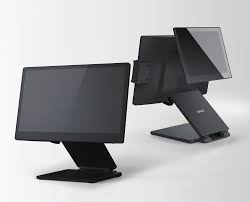 AP-5000D Point of Sale Device جهاز كاشير نقاط البيع
ر.س2,350.00
-
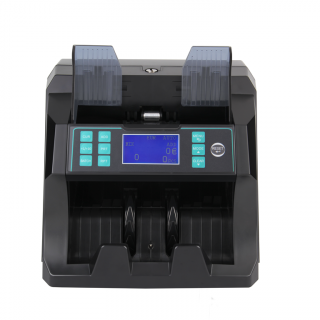 SN-2000
Original price was: ر.س1,955.00.ر.س1,650.00Current price is: ر.س1,650.00.
-
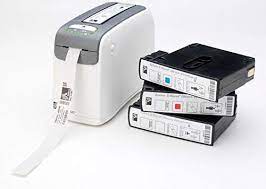 ZEBRA Thermal Wristband Printer HC100
Original price was: ر.س2,500.00.ر.س2,300.00Current price is: ر.س2,300.00.
-
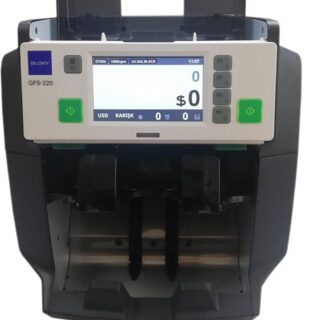 GLORY GFS-220-C
Original price was: ر.س9,500.00.ر.س9,200.00Current price is: ر.س9,200.00.
-
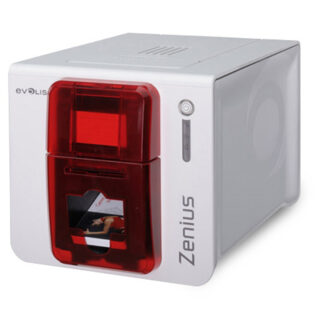 Evolis Zenius Single-Sided ID Card Printer - ZN1U0000RS
ر.س3,800.00
Products
-
AP-5000D Point of Sale Device جهاز كاشير نقاط البيع
ر.س2,350.00
-
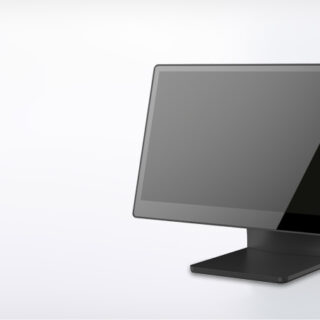 AP-5000 Point of Sale Device جهاز كاشير نقاط البيع
ر.س2,070.00
-
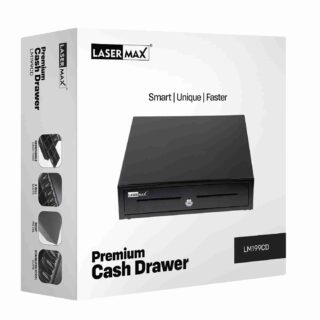 LM199CD - PREMIUM CASH DRAWER
Original price was: ر.س150.00.ر.س130.00Current price is: ر.س130.00.
-
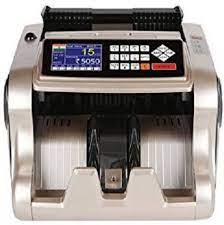 AT-777
Original price was: ر.س1,000.00.ر.س800.00Current price is: ر.س800.00.
-
SN-2000
Original price was: ر.س1,955.00.ر.س1,650.00Current price is: ر.س1,650.00.