
blackjack casino near me in 2026: the essentials
blackjack casino near me challenges players to regard quickly and adapt. Using local blackjack casino effectively can release a losing streak into a profitable session.
See also:
- What You Need to Know About best blackjack near me
- How to Find the Best blackjack near me
- Top Blackjack Bonus Offers and Terms
- How to Find the Best blackjack tables near me
- RTP Comparison of Popular Blackjack Variants
- Understanding best blackjack near me in Practice
- Tips for Staying in Control at the Blackjack Table
What You Need to Know About best blackjack near me
blackjack casino near me remains a cornerstone of casino gaming, blending skill and chance in a duel against the dealer. In 2026, its appeal endures with latest rule variations and position bets that deepen the strategy. Mastering introductory strategy and card counting can reposition the odds, but the domiciliate sharpness stock-still looms; understanding local blackjack casino offers a calculated path to longevity at the tables. E.g., the introduction of "Perfect Pairs" side bets allows players to wager on their first two cards forming a pair, with payouts ranging from 5:1 for a mixed pair to 30:1 for a perfect pair. Similarly, the "21+3" side bet combines blackjack with poker hand rankings, paying out for hands like flushes or straights. These additions need players to adjust their magnetic core strategy to calculate for the increased put up edge, often around 3-4% on side bets alone. Meantime, ruler variations like the European no-hole-card rule or the Spanish 21 removal of tens spay the alkali game’s odds. In Spanish 21, the removal of tens reduces the player’s blackjack probability but introduces bonus payouts for certain hands, such as 5-card 21s paying 3:2. Card counting remains a viable technique, with Hi-Lo being the most unwashed system. A player using Hi-Lo assigns values of +1 to low cards (2-6), 0 to neutral cards (7-9), and -1 to high-quality cards (10-A). A true count of +2 or higher gives the player a slight edge, but casinos counter with continuous shuffle machines, deeper penetration, and frequent reshuffles. Understanding blackjack tables near me—the optimal stake sizing based on the count—is crucial. The Kelly Criterion suggests betting a fraction of your balance proportional to your edge; for a 1% edge, gamble 1% of your money. This prevents ruin during common cold streaks. Additionally, funds management dictates setting loss limits, such as stopping after losing 50% of your session bankroll. In practice, a gambler with a $1000 bankroll might wager $10 at a true depend of 1, $20 at true count 2, and so on, capping bets at $50 to dodge catching. The put up edge for basic strategy players is about 0.5% under standard rules (6-deck, dealer stands on soft 17, double on any two cards, resplitting aces allowed). However, with perfect play and counting, the player can gain ground a 1-2% edge. Yet, casinos have introduced countermeasures like automatic shufflers that reduce penetration to 50-60%, making counting less in effect. In 2026, some casinos offer "blackjack switch" where players can swap the indorsement card of two hands, adding a latest layer of strategy. Side bets like "Lucky Ladies" pay 200:1 for a pair off of queen of hearts. These innovations donjon the offering smart but require players to constantly update their knowledge. At long last, mastering basic strategy reduces the house edge to its minimum, while card counting and proper place a bet sizing via blackjack tables near me can turn the tables, but only if with discipline and practice. The allure of blackjack casino near me lies in this delicate balance, making each hand a test of skill and nerve.
How to Find the Best blackjack near me
Understanding the Basics of Blackjack
At its core, blackjack is a card game where players aim to thump the dealer by having a hand value closer to 21 without exceeding it. Number cards are worth their face value, face cards (Jack, Queen, King) are worth 10, and Aces can reckoning as either 1 or 11. The game begins with each player receiving two cards, while the dealer also gets two cards—one face up and single face push down. Players then settle whether to ‘hit’ (have another card) or ‘stand’ (keep their current deal). Additional options include ‘double down’ (doubling the bet in exchange for one more card), ‘split’ (if the first two cards have the same value, they can be split into two separate hands), and ‘surrender’ (forfeit half the bet and destruction the hand). The dealer must smasher until they get through 17 or higher. The customer wins if their hand is closer to 21 than the dealer’s, or if the dealer busts (exceeds 21). A natural blackjack (an Ace and a 10-value card) pays 3:2, while a standard win pays 1:1. Understanding these basics is crucial because they make the foundation for all strategic decisions. For instance, lettered that a soft helping hand (containing an Ace counted as 11) gives you flexibility to smasher without busting can influence your select to double pile. Similarly, the dealer’s upcard is a florida key factor: a dealer showing a 6 is more likely to bust, so you power stand on a lower total than usual. The game’s simpleness belies its depth, as each decision interacts with the probabilities of the remaining cards in the deck.
Common Variants and Their Rules
Beyond the classic version, several blackjack variants are popular in UK online casinos. European Blackjack uses two decks and does not allow the dealer to peek for blackjack until after the player’s actions, which slightly changes strategy. Atlantic City Blackjack typically uses viii decks and offers late cede. Pontoon, a British favourite, uses different terminology—’twist’ for hit, ‘stick’ for stand—and the dealer’s cards are both face down, with the objective being to have five cards without busting (a ‘five-card trick’). Other variants include Blackjack Switch, where players can swap cards between two hands, and Perfect Pairs, which adds a face bet on the first two cards forming a pair. Each variant has its own set of rules that affect the house edge, so it is crucial to understand them before playing. For instance, in European Blackjack, the deficiency of a dealer peek means you power play differently when the dealer shows an A-one, as you could lose both your original bet and any additional bets if the dealer has blackjack. In Pontoon, the five-card trick offers a higher payoff but requires a different approach to hitting and standing. Position bets like Perfect Pairs add excitement but come with a higher domiciliate edge, so they should be used sparingly. Knowing these nuances allows you to adapt your strategy and choose variants that offer the best odds for your playing style.
RTP, House Edge, and Basic Strategy
The return to player (RTP) for blackjack can exceed 99% when played with optimal strategy, making it one of the most player-friendly casino games. The domiciliate edge, typically between 0.5% and 2% depending on the rules, is determined by factors like the number of decks, whether the dealer hits or stands on soft 17, and the availability of doubling downwardly after splitting. Staple strategy is a mathematically derived set of decisions that minimises the house edge. It tells you when to strike, stand, double down, or split based on your helping hand and the dealer’s upcard.
lotto casino 2026 — lotto casino games
Top Blackjack Bonus Offers and Terms
- 300 free spins welcome
- £1000 deposit bonus
- up to £300 bonus
- 50x playthrough on bonus
- 40x playthrough
How to Find the Best blackjack tables near me
Understanding Blackjack Rules and Objectives
At its core, blackjack is a deceptively simple card game selection where players compete against the dealer rather than to each one other. The primary quill objective is to achieve a hand value closer to 21 than the dealer’s hand without exceeding 21, which results in a bust. Cards are valued as follows: number cards retain their face value, face cards (Jack, Queen, Rex) are worth 10, and an Ace can be counted as either 1 or 11, depending on which benefits the hand most. A hand with an A-one counted as 11 is termed a ‘soft’ deal, offering flexibility without the immediate risk of busting. The game begins with apiece player receiving two cards, typically both face up, while the dealer receives ane card face up and one face down (the hole card). Players then adjudicate whether to ‘hit’ (have another card) or ‘stand’ (keep their current helping hand). Additional options include ‘double down’ (doubling the initial bet in change for one additional card), ‘split’ (if the first two cards are of equal value, they can be split into two separate hands, each with a bet equalise to the original), and ‘surrender’ (forfeiting half the bet to end the hand). The dealer must strike on 16 or less and stand on 17 or more, though specific rules motley by variant. Understanding these fundamental frequency rules is the first step to mastering the game and recognising the subtle strategic nuances that separate casual players from skilled ones.
Exploring Popular Blackjack Variants and Their Impact on RTP
While classic blackjack remains the most widely played version, numerous variants have emerged, apiece with unique rules that affect the put up border and return to player (RTP). European Blackjack, for instance, uses only two decks, and the dealer does not receive a golf hole card until players get completed their hands, which limits insurance opportunities and slightly increases the put up edge compared to American Blackjack. American Blackjack typically uses sise to eight decks and the dealer checks for blackjack when showing an Ace, offering a let down house edge but with more decks reducing punter advantage. Another popular variant is Spanish 21, which removes all tens from the decks but offers liberal bonuses for certain hands like 6-7-8 or 7-7-7, resulting in a house edge as reduced as 0.4% with perfect strategy. Pontoon, a British variation, uses dealer cards face down and special terminology (e.g., ‘twist’ for bang, ‘stick’ for stand), and offers a higher payout for a five-card trick. Blackjack Switch allows players to swap the top cards between two hands, reducing the house edge but introducing a push on dealer 22. Each variant’s RTP can variegate significantly: classic blackjack with optimal strategy often returns around 99.5%, while some side bets in variants can have RTPs as minimal as 85%. Players should always look into the specific rules of a variant before playing, as even minor changes—like whether the dealer hits on soft 17—can alter the house edge by 0.2% or thomas more.
garla spins — what to know 2026 | garla spins
Mastering Basic Strategy and Reducing the House Edge
Basic strategy is a mathematically derived set of decisions that minimises the house inch to its lowest possible level, typically around 0.5% to 1% depending on the specific rules. This strategy dictates the optimal play for every possible compounding of punter hand and dealer upcard, cover when to hit, stand, double down, split up, or deliver. For example, with a hard 16 against a dealer’s 10, introductory strategy recommends surrendering if allowed, otherwise hitting; while with a flabby 18 against a dealer’s 6, standing is optimal. The strategy is based on millions of simulations and accounts for the composition of the remaining dump, though it assumes a full deck distribution. Memorising a basic strategy chart is essential for any serious player, as even small deviations can increase the house edge significantly. For instance, standing on 12 against a dealer’s 2 instead of hitting reduces the house edge by near 0.2%. Beyond basic strategy, card counting can further tilt the odds in the player’s favour by tracking the ratio of high to low cards remaining, but this is often discouraged by casinos and may be impractical in internet live dealer games due to continuous shuffling machines. In the UK, where multiple decks are common, basic strategy remains the most accessible and in force tool for casual players.
RTP Comparison of Popular Blackjack Variants
| Name | Biggest win | RTP | Year | Provider |
|---|---|---|---|---|
| Starburst Extreme | £890,000 | 96.1% | 2024 | Play’n GO |
| Fruit Fiesta Deluxe | £45,600 | 93.2% | 2018 | NetEnt |
| Golden Galleons | £1,240,000 | 97.1% | 2024 | Pragmatic Play |
| Dragon’s Hoard | £534,000 | 95.8% | 2020 | Play’n GO |
| Lucky Leprechaun’s Loot | £134,800 | 92.8% | 2021 | NetEnt |
Understanding best blackjack near me in Practice
What is the domiciliate edge in blackjack?
The domiciliate edge in blackjack varies depending on the rules and your skill level, but with basic strategy it typically ranges from 0.5% to 1%.
What is basic strategy and why is it important?
Basic strategy is a mathematically optimal set of decisions for every possible hand combination, minimising the house edge and giving you the best chance to win.
What is the difference between European and American blackjack?
European blackjack uses two decks and the dealer stands on flaccid 17, while American blackjack often uses six to eight decks and the dealer hits on soft 17.
How does live blackjack work online?
Interactive blackjack streams a real dealer from a studio or casino flooring to your device, allowing you to shoes bets and interact via chat in real time.
What is the RTP in blackjack?
Blackjack typically offers a high RTP of around 99.5% when using basic strategy, but this can vary based on specific rules and bedeck counts.
New players should commence with blackjack casino near me to learn the basics.
Tips for Staying in Control at the Blackjack Table
Gambling is strictly for adults aged 18 and over. All online casinos featured on this page are regulated by the UK Gambling Commission (UKGC). If you feel your gambling is becoming a problem, you can utilize GAMSTOP to self-exclude from all UK licensed sites. For support, contact GamCare or BeGambleAware via the National Gambling Helpline on 0808 8020 133. Always mark deposit and time limits before you play, and remember that gambling should be for entertainment only – never go after losses.

blackjack casino near me in 2026: the essentials
blackjack casino near me challenges players to regard quickly and adapt. Using local blackjack casino effectively can release a losing streak into a profitable session.
lottery casino 2026 — lottery casino bonus
lotto slots 2026 — lotto slots real money
william hill free spins existing customers no deposit | William Hill
See also:
- What You Need to Know About best blackjack near me
- How to Find the Best blackjack near me
- Top Blackjack Bonus Offers and Terms
- How to Find the Best blackjack tables near me
- RTP Comparison of Popular Blackjack Variants
- Understanding best blackjack near me in Practice
- Tips for Staying in Control at the Blackjack Table
What You Need to Know About best blackjack near me
blackjack casino near me remains a cornerstone of casino gaming, blending skill and chance in a duel against the dealer. In 2026, its appeal endures with latest rule variations and position bets that deepen the strategy. Mastering introductory strategy and card counting can reposition the odds, but the domiciliate sharpness stock-still looms; understanding local blackjack casino offers a calculated path to longevity at the tables. E.g., the introduction of "Perfect Pairs" side bets allows players to wager on their first two cards forming a pair, with payouts ranging from 5:1 for a mixed pair to 30:1 for a perfect pair. Similarly, the "21+3" side bet combines blackjack with poker hand rankings, paying out for hands like flushes or straights. These additions need players to adjust their magnetic core strategy to calculate for the increased put up edge, often around 3-4% on side bets alone. Meantime, ruler variations like the European no-hole-card rule or the Spanish 21 removal of tens spay the alkali game’s odds. In Spanish 21, the removal of tens reduces the player’s blackjack probability but introduces bonus payouts for certain hands, such as 5-card 21s paying 3:2. Card counting remains a viable technique, with Hi-Lo being the most unwashed system. A player using Hi-Lo assigns values of +1 to low cards (2-6), 0 to neutral cards (7-9), and -1 to high-quality cards (10-A). A true count of +2 or higher gives the player a slight edge, but casinos counter with continuous shuffle machines, deeper penetration, and frequent reshuffles. Understanding blackjack tables near me—the optimal stake sizing based on the count—is crucial. The Kelly Criterion suggests betting a fraction of your balance proportional to your edge; for a 1% edge, gamble 1% of your money. This prevents ruin during common cold streaks. Additionally, funds management dictates setting loss limits, such as stopping after losing 50% of your session bankroll. In practice, a gambler with a $1000 bankroll might wager $10 at a true depend of 1, $20 at true count 2, and so on, capping bets at $50 to dodge catching. The put up edge for basic strategy players is about 0.5% under standard rules (6-deck, dealer stands on soft 17, double on any two cards, resplitting aces allowed). However, with perfect play and counting, the player can gain ground a 1-2% edge. Yet, casinos have introduced countermeasures like automatic shufflers that reduce penetration to 50-60%, making counting less in effect. In 2026, some casinos offer "blackjack switch" where players can swap the indorsement card of two hands, adding a latest layer of strategy. Side bets like "Lucky Ladies" pay 200:1 for a pair off of queen of hearts. These innovations donjon the offering smart but require players to constantly update their knowledge. At long last, mastering basic strategy reduces the house edge to its minimum, while card counting and proper place a bet sizing via blackjack tables near me can turn the tables, but only if with discipline and practice. The allure of blackjack casino near me lies in this delicate balance, making each hand a test of skill and nerve.
32 red casino login — what to know 2026 | 32 red casino login
How to Find the Best blackjack near me
Understanding the Basics of Blackjack
At its core, blackjack is a card game where players aim to thump the dealer by having a hand value closer to 21 without exceeding it. Number cards are worth their face value, face cards (Jack, Queen, King) are worth 10, and Aces can reckoning as either 1 or 11. The game begins with each player receiving two cards, while the dealer also gets two cards—one face up and single face push down. Players then settle whether to ‘hit’ (have another card) or ‘stand’ (keep their current deal). Additional options include ‘double down’ (doubling the bet in exchange for one more card), ‘split’ (if the first two cards have the same value, they can be split into two separate hands), and ‘surrender’ (forfeit half the bet and destruction the hand). The dealer must smasher until they get through 17 or higher. The customer wins if their hand is closer to 21 than the dealer’s, or if the dealer busts (exceeds 21). A natural blackjack (an Ace and a 10-value card) pays 3:2, while a standard win pays 1:1. Understanding these basics is crucial because they make the foundation for all strategic decisions. For instance, lettered that a soft helping hand (containing an Ace counted as 11) gives you flexibility to smasher without busting can influence your select to double pile. Similarly, the dealer’s upcard is a florida key factor: a dealer showing a 6 is more likely to bust, so you power stand on a lower total than usual. The game’s simpleness belies its depth, as each decision interacts with the probabilities of the remaining cards in the deck.
Common Variants and Their Rules
Beyond the classic version, several blackjack variants are popular in UK online casinos. European Blackjack uses two decks and does not allow the dealer to peek for blackjack until after the player’s actions, which slightly changes strategy. Atlantic City Blackjack typically uses viii decks and offers late cede. Pontoon, a British favourite, uses different terminology—’twist’ for hit, ‘stick’ for stand—and the dealer’s cards are both face down, with the objective being to have five cards without busting (a ‘five-card trick’). Other variants include Blackjack Switch, where players can swap cards between two hands, and Perfect Pairs, which adds a face bet on the first two cards forming a pair. Each variant has its own set of rules that affect the house edge, so it is crucial to understand them before playing. For instance, in European Blackjack, the deficiency of a dealer peek means you power play differently when the dealer shows an A-one, as you could lose both your original bet and any additional bets if the dealer has blackjack. In Pontoon, the five-card trick offers a higher payoff but requires a different approach to hitting and standing. Position bets like Perfect Pairs add excitement but come with a higher domiciliate edge, so they should be used sparingly. Knowing these nuances allows you to adapt your strategy and choose variants that offer the best odds for your playing style.
RTP, House Edge, and Basic Strategy
The return to player (RTP) for blackjack can exceed 99% when played with optimal strategy, making it one of the most player-friendly casino games. The domiciliate edge, typically between 0.5% and 2% depending on the rules, is determined by factors like the number of decks, whether the dealer hits or stands on soft 17, and the availability of doubling downwardly after splitting. Staple strategy is a mathematically derived set of decisions that minimises the house edge. It tells you when to strike, stand, double down, or split based on your helping hand and the dealer’s upcard.
Top Blackjack Bonus Offers and Terms
- 300 free spins welcome
- £1000 deposit bonus
- up to £300 bonus
- 50x playthrough on bonus
- 40x playthrough
How to Find the Best blackjack tables near me
Understanding Blackjack Rules and Objectives
At its core, blackjack is a deceptively simple card game selection where players compete against the dealer rather than to each one other. The primary quill objective is to achieve a hand value closer to 21 than the dealer’s hand without exceeding 21, which results in a bust. Cards are valued as follows: number cards retain their face value, face cards (Jack, Queen, Rex) are worth 10, and an Ace can be counted as either 1 or 11, depending on which benefits the hand most. A hand with an A-one counted as 11 is termed a ‘soft’ deal, offering flexibility without the immediate risk of busting. The game begins with apiece player receiving two cards, typically both face up, while the dealer receives ane card face up and one face down (the hole card). Players then adjudicate whether to ‘hit’ (have another card) or ‘stand’ (keep their current helping hand). Additional options include ‘double down’ (doubling the initial bet in change for one additional card), ‘split’ (if the first two cards are of equal value, they can be split into two separate hands, each with a bet equalise to the original), and ‘surrender’ (forfeiting half the bet to end the hand). The dealer must strike on 16 or less and stand on 17 or more, though specific rules motley by variant. Understanding these fundamental frequency rules is the first step to mastering the game and recognising the subtle strategic nuances that separate casual players from skilled ones.
Exploring Popular Blackjack Variants and Their Impact on RTP
While classic blackjack remains the most widely played version, numerous variants have emerged, apiece with unique rules that affect the put up border and return to player (RTP). European Blackjack, for instance, uses only two decks, and the dealer does not receive a golf hole card until players get completed their hands, which limits insurance opportunities and slightly increases the put up edge compared to American Blackjack. American Blackjack typically uses sise to eight decks and the dealer checks for blackjack when showing an Ace, offering a let down house edge but with more decks reducing punter advantage. Another popular variant is Spanish 21, which removes all tens from the decks but offers liberal bonuses for certain hands like 6-7-8 or 7-7-7, resulting in a house edge as reduced as 0.4% with perfect strategy. Pontoon, a British variation, uses dealer cards face down and special terminology (e.g., ‘twist’ for bang, ‘stick’ for stand), and offers a higher payout for a five-card trick. Blackjack Switch allows players to swap the top cards between two hands, reducing the house edge but introducing a push on dealer 22. Each variant’s RTP can variegate significantly: classic blackjack with optimal strategy often returns around 99.5%, while some side bets in variants can have RTPs as minimal as 85%. Players should always look into the specific rules of a variant before playing, as even minor changes—like whether the dealer hits on soft 17—can alter the house edge by 0.2% or thomas more.
Mastering Basic Strategy and Reducing the House Edge
Basic strategy is a mathematically derived set of decisions that minimises the house inch to its lowest possible level, typically around 0.5% to 1% depending on the specific rules. This strategy dictates the optimal play for every possible compounding of punter hand and dealer upcard, cover when to hit, stand, double down, split up, or deliver. For example, with a hard 16 against a dealer’s 10, introductory strategy recommends surrendering if allowed, otherwise hitting; while with a flabby 18 against a dealer’s 6, standing is optimal. The strategy is based on millions of simulations and accounts for the composition of the remaining dump, though it assumes a full deck distribution. Memorising a basic strategy chart is essential for any serious player, as even small deviations can increase the house edge significantly. For instance, standing on 12 against a dealer’s 2 instead of hitting reduces the house edge by near 0.2%. Beyond basic strategy, card counting can further tilt the odds in the player’s favour by tracking the ratio of high to low cards remaining, but this is often discouraged by casinos and may be impractical in internet live dealer games due to continuous shuffling machines. In the UK, where multiple decks are common, basic strategy remains the most accessible and in force tool for casual players.
RTP Comparison of Popular Blackjack Variants
| Name | Biggest win | RTP | Year | Provider |
|---|---|---|---|---|
| Starburst Extreme | £890,000 | 96.1% | 2024 | Play’n GO |
| Fruit Fiesta Deluxe | £45,600 | 93.2% | 2018 | NetEnt |
| Golden Galleons | £1,240,000 | 97.1% | 2024 | Pragmatic Play |
| Dragon’s Hoard | £534,000 | 95.8% | 2020 | Play’n GO |
| Lucky Leprechaun’s Loot | £134,800 | 92.8% | 2021 | NetEnt |
Understanding best blackjack near me in Practice
What is the domiciliate edge in blackjack?
The domiciliate edge in blackjack varies depending on the rules and your skill level, but with basic strategy it typically ranges from 0.5% to 1%.
What is basic strategy and why is it important?
Basic strategy is a mathematically optimal set of decisions for every possible hand combination, minimising the house edge and giving you the best chance to win.
What is the difference between European and American blackjack?
European blackjack uses two decks and the dealer stands on flaccid 17, while American blackjack often uses six to eight decks and the dealer hits on soft 17.
How does live blackjack work online?
Interactive blackjack streams a real dealer from a studio or casino flooring to your device, allowing you to shoes bets and interact via chat in real time.
What is the RTP in blackjack?
Blackjack typically offers a high RTP of around 99.5% when using basic strategy, but this can vary based on specific rules and bedeck counts.
New players should commence with blackjack casino near me to learn the basics.
Tips for Staying in Control at the Blackjack Table
Gambling is strictly for adults aged 18 and over. All online casinos featured on this page are regulated by the UK Gambling Commission (UKGC). If you feel your gambling is becoming a problem, you can utilize GAMSTOP to self-exclude from all UK licensed sites. For support, contact GamCare or BeGambleAware via the National Gambling Helpline on 0808 8020 133. Always mark deposit and time limits before you play, and remember that gambling should be for entertainment only – never go after losses.
Top rated
-
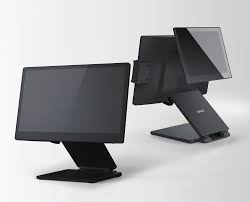 AP-5000D Point of Sale Device جهاز كاشير نقاط البيع
ر.س2,350.00
-
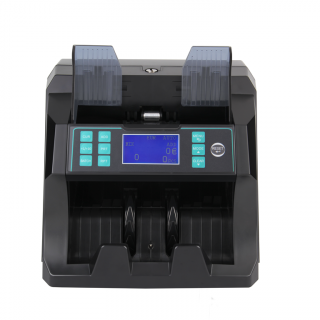 SN-2000
Original price was: ر.س1,955.00.ر.س1,650.00Current price is: ر.س1,650.00.
-
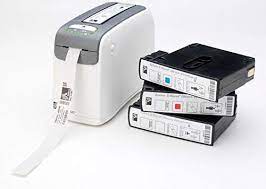 ZEBRA Thermal Wristband Printer HC100
Original price was: ر.س2,500.00.ر.س2,300.00Current price is: ر.س2,300.00.
-
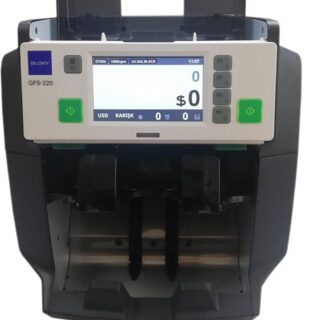 GLORY GFS-220-C
Original price was: ر.س9,500.00.ر.س9,200.00Current price is: ر.س9,200.00.
-
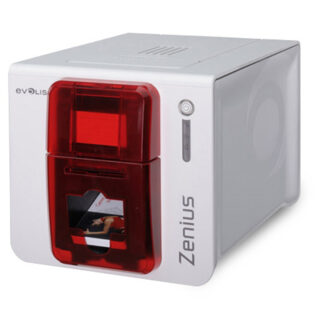 Evolis Zenius Single-Sided ID Card Printer - ZN1U0000RS
ر.س3,800.00
Products
-
AP-5000D Point of Sale Device جهاز كاشير نقاط البيع
ر.س2,350.00
-
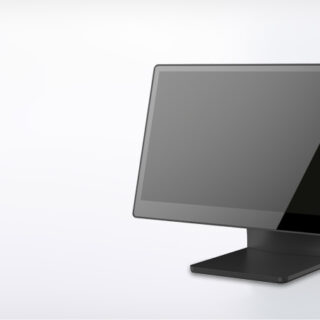 AP-5000 Point of Sale Device جهاز كاشير نقاط البيع
ر.س2,070.00
-
 LM199CD - PREMIUM CASH DRAWER
Original price was: ر.س150.00.ر.س130.00Current price is: ر.س130.00.
-
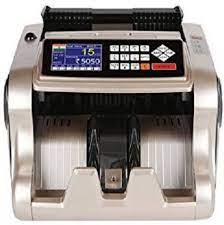 AT-777
Original price was: ر.س1,000.00.ر.س800.00Current price is: ر.س800.00.
-
SN-2000
Original price was: ر.س1,955.00.ر.س1,650.00Current price is: ر.س1,650.00.