
fake gambling simulator in 2026: a practical guide
fake gambling simulator The intersection of entertainment and risk defines the bodoni gambling site experience. This piece examines the growing importance of fake roulette simulator within that framework.
See also:
- Discover the Benefits of fake table game simulator
- Exploring the benefits of fake table game simulator
- How to choose the best fake roulette simulator?
- Decoding Bonus Terms and Wagering Requirements at fake gambling simulator
- Key Trust Indicators for fake gambling simulator
- What does fake roulette simulator mean for players?
- In summary, fake table game simulator offers the best value for players.
- Setting Limits for Safer Gambling
Discover the Benefits of fake table game simulator
fake gambling simulator has get a central pillar of the modern gambling landscape, drawing millions of players worldwide with its convenience and variety. As the industry evolves in 2026, understanding the nuances of fake blackjack simulator can help players make informed choices, from game selection to funds management. This article explores how these platforms operate, their key features, and what players should consider before diving in. The rise of fake gambling simulator is fueled by technological advancements that allow for seamless mobile access, instant deposits via cryptocurrencies and e-wallets, and live dealer games that replicate the brick-and-mortar casino atmosphere. For instance, many platforms now give virtual reality slots and AI-driven personalized recommendations, enhancing user engagement. However, with this growth comes the want for robust security measures, such as SSL encryption and two-factor assay-mark, to protect sensitive data. Players should also be aware of the regulatory landscape, as licensing bodies like the UK Gambling Commission and Malta Gaming Authority impose strict standards on fairness and responsible gambling. When selecting a fake gambling simulator site, francis scott key factors include game diversity—ranging from classic table games like blackjack and roulette to niche options like bingo and scratch cards—as well as bonus structures, wagering requirements, and withdrawal speeds. Bankroll management is decisive; experts recommend setting deposit limits and using tools similar red limits or time-outs to maintain control. Additionally, understanding the domiciliate inch and return-to-player (RTP) percentages can help players choose games with better odds. For object lesson, video poker often has a lower put up edge than slots, while baccarat offers favorable odds for certain bets. The social aspect also matters: many platforms now feature confabulation functions, tournaments, and leaderboards to foster biotic community. In 2026, trends include the integration of blockchain for provably fair gaming, the rise of skill-based games like poker and sports betting, and the use of artificial intelligence to detect problem gambling behaviors. Ultimately, fake gambling simulator offers unparalleled convenience but requires due diligence. By focusing on licensed operators, reading terms carefully, and practicing self-discipline, players can enjoy a safe and entertaining experience. Whether you are a everyday player or a high roller, the key is to treat gambling as a form of entertainment, not a way to make money.
Exploring the benefits of fake table game simulator
The Role of Mathematics in Gambling
At its core group, gambling is underpinned by mathematical principles that dictate the odds of winning and the put up inch. Discernment these concepts is crucial for anyone looking to approach gambling with a open perspective. Probability theory, for instance, governs the likelihood of different outcomes in games like roulette, blackjack, or slot machines. In the UK, where the Gambling Commission regulates all licensed operators, games are designed to ensure a predictable homecoming to player (RTP) percentage over time. This means that while short-term wins are possible, the long-term expectation is that the house retains a small percentage of all stakes. Similarly, in sports betting, odds reflect the implied probability of an event occurring, with the bookmaker’s margin built into the prices. For example, a coin flick in a fair game has a 50% chance, but in betting markets, the odds might involve a 52% chance to account for the perimeter. Recognising this mathematical framework helps players make informed decisions, avoid chasing losses, and understand that no strategy can overcome the inbuilt advantage over extended play. Educational resources from organisations like GamCare and BeGambleAware emphasise this point, encouraging a focus on entertainment rather than profit.
The Social and Cultural Context of Gambling in the UK has a long history, from horse racing to the National Lottery, and is deeply embedded in British culture. However, its social implications are complex and often debated. On one hand, gambling can be a form of social entertainment, with friends gathering for a poker night or colleagues placing friendly bets on football matches. On the other hand, problem gambling can lead to financial hardship, relationship breakdown, and mental health issues. The UK government has taken steps to address these concerns, such as introducing a mandatory levy on operators to fund research, education, and treatment. The Gambling Act 2005 and its subsequent reviews aim to balance personal freedom with harm reduction. For instance, the introduction of stake limits for fixed-odds betting terminals (FOBTs) in 2019 was a significant regulatory change. Understanding this social context is important for players to recognise when gambling shifts from a harmless pastime to a harmful behaviour. Community initiatives, like local support groups and online forums, provide avenues for discussion and help, while the NHS now offers specialist clinics for gambling addiction. The cultural acceptance of gambling in the UK does not diminish the need for responsible practices, and players are encouraged to set time and money limits, use self-exclusion tools like GAMSTOP, and never gamble with money they cannot afford to lose.
The Future of Gambling: Technology and Regulation
The gambling landscape in the UK is rapidly evolving, driven by technological advancements and unfirm regulatory priorities. Virtual casinos and betting apps have made gambling more accessible than ever, but they also raise concerns about customer protection and data surety. Innovations like virtual reality (VR) casinos and live dealer games take aim to replicate the land-based experience, while blockchain technology offers provably fair gaming and faster transactions.
How to choose the best fake roulette simulator?
The Role of Mathematics in Gambling
At its core, gambling is underpinned by mathematical principles that dictate the odds of winning and the house edge. Understanding these concepts is crucial for anyone looking to approach gambling with a clear up perspective. Probability theory, for instance, governs the likelihood of different outcomes in games like roulette, blackjack, or slot machines. In the UK, where the Gambling Commission regulates all licensed operators, games are designed to guarantee a predictable paying back to player (RTP) per centum over time. This means that while short-term wins are possible, the long-term expectation is that the house retains a small pct of all stakes. Similarly, in sports betting, odds reverberate the implied probability of an event occurring, with the bookmaker’s margin built into the prices. For example, a coin flick in a fair game has a 50% chance, but in betting markets, the odds power imply a 52% chance to account for the margin. Recognising this mathematical fabric helps players urinate informed decisions, avoid chasing losses, and understand that no strategy can overcome the inherent advantage over extended play. Educational resources from organisations like GamCare and BeGambleAware emphasise this point, encouraging a direction on entertainment kinda than benefit.
The Social and Cultural Context of Gambling in the UK has a long history, from horse racing to the National Lottery, and is deeply embedded in British culture. However, its social implications are complex and often debated. On one hand, gambling can be a form of social entertainment, with friends gathering for a poker night or colleagues placing friendly bets on football matches. On the other hand, problem gambling can lead to financial hardship, relationship breakdown, and mental health issues. The UK government has taken steps to address these concerns, such as introducing a mandatory levy on operators to fund research, education, and treatment. The Gambling Act 2005 and its subsequent reviews aim to balance personal freedom with harm reduction. For instance, the introduction of stake limits for fixed-odds betting terminals (FOBTs) in 2019 was a significant regulatory change. Understanding this social context is important for players to recognise when gambling shifts from a harmless pastime to a harmful behaviour. Community initiatives, like local support groups and online forums, provide avenues for discussion and help, while the NHS now offers specialist clinics for gambling addiction. The cultural acceptance of gambling in the UK does not diminish the need for responsible practices, and players are encouraged to set time and money limits, use self-exclusion tools like GAMSTOP, and never gamble with money they cannot afford to lose.
The Future of Gambling: Technology and Regulation
The gambling landscape in the UK is rapidly evolving, driven by technological advancements and shifting regulatory priorities. Online casinos and betting apps get made gambling more accessible than ever, but they also raise concerns about player protection and data security. Innovations like virtual reality (VR) casinos and studio game games aim to replicate the land-based experience, while blockchain technology offers provably fair gaming and faster transactions. Nevertheless, the UK Gambling Commission has been proactive in updating its rules to keep pace, such as requiring age and identity verification before deposits, banning credit card gambling, and restricting VIP schemes that encourage premium disbursement. The upcoming Gambling Act review, expected to be implemented by 2025, may introduce further measures like affordability checks and web-based slot stake limits. For players, staying informed about these changes is essential to make sure they are using licensed and responsible operators. Additionally, the rise of esports betting and fantasy sports presents new opportunities and challenges, with regulatory bodies working to classify these activities appropriately.
Decoding Bonus Terms and Wagering Requirements at fake gambling simulator
- 150 free spins for brand-new players
- 26% up to $200
- 30x wagering at slots
- 50x playthrough
Key Trust Indicators for fake gambling simulator
What does fake roulette simulator mean for players?
Understanding Bingo Halls in the UK
Bingo halls experience long been a staple of British social culture, offering a unique blend of entertainment and biotic community spirit. In the UK, these establishments are regulated by the UK Gambling Commission (UKGC), ensuring a safe and fair environment for players. The traditional game of bingo, often associated with small stakes and friendly rivalry, has evolved to include electronic bingo terminals and digital interfaces, yet the core group experience remains centred around the communal aspect. Players typically purchase printed tickets or use electronic dabbers to mark numbers as they are called out, with the aim of completing a specific pattern to win a prize. Modern bingo halls often feature bars, restaurants, and live entertainment, making them a destination for social outings. The UKGC mandates strict age verification (18+), responsible gambling measures, and transparentness in award dispersion, which are all critical to maintaining corporate trust. For those new to the scene, it is advisable to start with a small budget, understand the rules of from each one game variant (such as 90-ball or 75-lucille ball bingo), and dodge chasing losses. Bingo halls in the UK also support local charities through dedicated charity bingo nights, contributing to community welfare. The social aspect is a tonality draw, with players often forming friendships and attending regularly. However, as with any form of gambling, it is important to set limits and recognise when play ceases to be merriment. The UKGC’s resources, such as GamCare and GamStop, provide support for those who may develop problem gambling behaviours. Overall, bingo halls present a regulated, low-stakes gambling choice that prioritises social interaction and entertainment.
The Rise of Online Bingo Sites
Online bingo has experienced important growth in the UK, in particular since the early 2000s, with digital platforms replicating the social experience of physical halls while adding convenience and variety. UKGC-licensed online bingo sites are now a major segment of the non-branded gambling market, offering a wide range of games including 90-ball, 80-ball, 75-ball, and speed bingo. These platforms often comprise chat rooms, themed rooms, and progressive jackpots to enhance player engagement. Unlike land-based bingo, digital versions allow players to purchase tickets in cash advance, participate in multiple games simultaneously, and access promotions such as deposit bonuses, free tickets, and loyalty rewards. The legal framework in the UK requires these sites to implement robust age verification, self-exclusion tools, and deposit limits to boost responsible gambling. Players can enjoy bingo on desktop and mobile devices, with apps providing unlined gameplay and notifications for upcoming games. The social component remains intact, with chat moderators (often called ‘callers’) interacting with players and facilitating community events. However, players should be cautious of unlicensed operators that may not stick to to UKGC standards. Always confirm for the UKGC logo and verify the licence number on the regulator’s website. Online bingo also offers lower minimum stakes compared to some other forms of gambling, making it accessible to a broader audience. For those interested in trying online bingo, it is recommended to read the terms and conditions carefully, especially regarding wagering requirements on bonuses. The variety of games and the ability to play from home have made online bingo a popular choice, but it is essential to maintain a balanced approach and bypass excessive play.
Bingo Strategies and Tips for UK Players
While bingo is largely a game of chance, players can adopt certain strategies to enhance their experience and potentially improve their odds. One effective approach is to manage the number of tickets purchased per game; buying more tickets increases the chance of winning but also raises the cost. A common hint is to play during off-peak times when fewer players are active, which can reduce competition for prizes. In web-based bingo, choosing games with lower ticket prices or smaller jackpots often results in ameliorate odds, as these games tend to have fewer participants. Another strategy is to center on pattern-based games, such as those requiring a specific shape (e.g., letter X or T), as these can end in short order and present higher chances of a win. Regular players often track their spending and set a strict budget, avoiding the temptation to chase losses. It is also beneficial to benefit from of free tickets and no-deposit bonuses offered by UKGC-licensed bingo sites, which allow practise without financial risk.
For secure gaming, pick a site that emphasizes fake gambling simulator.
In summary, fake table game simulator offers the best value for players.
Responsible Gambling Remains Paramount
As we conclude this exploration of non-branded gambling options available to UK players in 2026, it is essential to reiterate that responsible gambling should always be the foundation of any engagement with these activities. Whether you are exploring cryptocurrency casinos, no deposit bonus offers, or free spins promotions, setting personal limits on time and money spent is crucial. The UK Gambling Commission (UKGC) provides robust tools such as deposit limits, time-outs, and self-exclusion through GAMSTOP, which all players should utilise. Remember that gambling should be viewed as a form of entertainment, not a way to generate income. If you ever finger that your gambling habits are becoming problematic, reach out to organisations like GamCare or BeGambleAware for confidential support. The most reputable platforms in the UK market prioritise player safety and offer clear pathways to responsible gambling tools, so e’er verify that any site you make use of holds a valid UKGC licence and promotes these features prominently.
Choosing the Right Platform for Your Needs
Selecting the best non-branded gambling site requires heedful consideration of several factors beyond just now the welcome offer. In 2026, UK players make access to a diverse range of platforms, each with unique strengths. When evaluating options, examine the variety of games usable, including slots, table games, and live dealer experiences. Payment methods are equally important—look for sites that support fast withdrawals, preferably using e-wallets or cryptocurrencies for quicker transactions. Customer support caliber can make or break your experience; prioritise platforms with 24/7 live schmooze and comprehensive FAQ sections. Additionally, look into the terms and conditions of any bonuses thoroughly, paying close attention to wagering requirements, game contributions, and maximum bet limits. Meter reading independent reviews from trusted sources can provide valuable insights into a site’s reliability and payout speed. By taking the time to explore, you can find a platform that aligns perfectly with your preferences and playing style.
sports betting 2026 — mma betting
Understanding Bonuses and Promotions
Bonuses and promotions are a major haulage for many players, but they come with nuances that require careful understanding. No deposit bonuses allow you to seek games without risking your possess money, but they often have got higher wagering requirements and maximum cashout limits. Free spins offers are well-known for slot enthusiasts, yet they may be restricted to specific games and have expiry dates. Match deposit bonuses can boost your bankroll significantly, but always calculate the good value after wagering requirements are met. In 2026, some UK casinos are introducing groundbreaking loyalty programmes that reward consistent play with cashback or unique perks. It is vital to attack these offers with a crystallize strategy—never chase bonuses beyond your means, and always prioritise sites that supply transparent terms. Think of that the most valuable promotions are those that offer fair play conditions and genuine opportunities to win, rather than ones designed to lock your funds behind excessive playthrough requirements.
real pokies online 2026 — real pokies online real money
The Future of Non-Branded Gambling in the UK
Looking ahead, the landscape of non-branded gambling in the UK is set to evolve with technological advancements and regulatory changes. Cryptocurrency integration is becoming thomas more seamless, with many platforms now accepting Bitcoin, Ethereum, and other digital assets for deposits and withdrawals, offering enhanced privacy and faster transactions. Virtual reality casinos are emerging as an immersive alternative, though they remain niche for now. The UKGC continues to tighten regulations around advertising, bonus structures, and user shelter, which will likely top to more responsible industry practices.
Our compare of fake gambling simulator highlights the leading sign-up deals.
oaks casino brisbane — key facts 2026 | oaks casino brisbane
Setting Limits for Safer Gambling
Gambling is stringently for adults aged 18 and over. All UK-licensed casinos are regulated by the Gambling Commission (UKGC) and offer tools to help you remain in control, including deposit and time limits. If you feel you need a jailbreak, you can use GAMSTOP to self-exclude from all UK operators. Remember, gambling should be for entertainment only—never chase after losses. For free, confidential support, contact GamCare or BeGambleAware via the National Gambling Helpline on 0808 8020 133.

Top rated
-
 AP-5000D Point of Sale Device جهاز كاشير نقاط البيع
ر.س2,350.00
-
 SN-2000
Original price was: ر.س1,955.00.ر.س1,650.00Current price is: ر.س1,650.00.
-
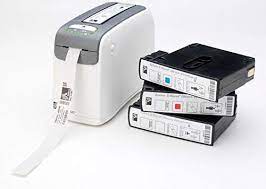 ZEBRA Thermal Wristband Printer HC100
Original price was: ر.س2,500.00.ر.س2,300.00Current price is: ر.س2,300.00.
-
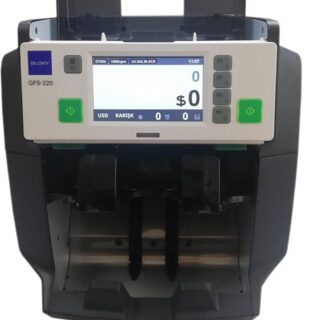 GLORY GFS-220-C
Original price was: ر.س9,500.00.ر.س9,200.00Current price is: ر.س9,200.00.
-
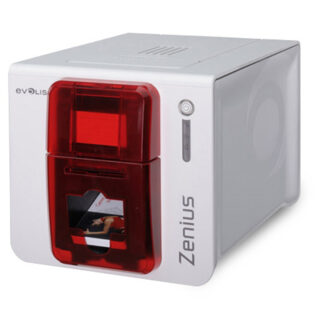 Evolis Zenius Single-Sided ID Card Printer - ZN1U0000RS
ر.س3,800.00
Products
-
AP-5000D Point of Sale Device جهاز كاشير نقاط البيع
ر.س2,350.00
-
 AP-5000 Point of Sale Device جهاز كاشير نقاط البيع
ر.س2,070.00
-
 LM199CD - PREMIUM CASH DRAWER
Original price was: ر.س150.00.ر.س130.00Current price is: ر.س130.00.
-
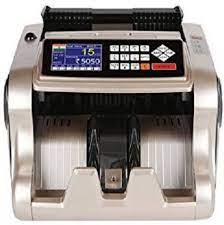 AT-777
Original price was: ر.س1,000.00.ر.س800.00Current price is: ر.س800.00.
-
SN-2000
Original price was: ر.س1,955.00.ر.س1,650.00Current price is: ر.س1,650.00.