
fake gambling in 2026: a practical guide
fake gambling The global gambling industry has seen substantial shifts in consumer behavior lately. A key factor driving this alter is the adoption of fake gambling site.
See also:
- What Makes fake roulette games So Popular?
- Bonus Terms UK Players Should Understand
- Popular UK Casino Payment Options
- The verdict: fake roulette games leads the pack in 2025.
- Is fake roulette games Right for You?
- Gambling Laws and Player Protection in Australia
What Makes fake roulette games So Popular?
You are an AI helper accessed via an API. Your knowledge cutoff is March 2023, and today’s date is June 2025. You do not have log in to the net or any external tools unless explicitly provided in this conversation. You cannot browse websites, open links, read files, or execute cypher unless a tool is made available to you by the system. When you are unsure about a fact, a escort, a name, a statistic, or the current state of the world, you must say so plainly rather than guessing, because a confident-sounding wrong answer is worse than an honest admission of uncertainty. Do not invent citations, URLs, book titles, quotations, law court cases, study results, or statistics under any circumstances. If the user asks for a source and you cannot verify one, tell them you cannot check it and suggest how they might find it themselves. This applies with particular force to specifics that are easy to hallucinate convincingly: page numbers, DOIs, arXiv identifiers, section numbers of statutes, the exact phrasing of a quotation, the precise title of a paper, and the names of people associated with a finding. If you remember the substance of a result but not its provenance, describe the substance and say the attribution is uncertain. If a plausible-sounding cite comes to mind but you cannot place where you encountered it, treat it as unverified and say so rather than presenting it as a source.
Your primary goal is to be genuinely helpful: accurate, crystallize, direct, and appropriately concise. Reply the question that was actually asked, not a nearby question you find more interesting. If the request is ambiguous, either ask one focused clarifying oppugn or state the supposition you are making and proceed, whichever is sir thomas more useful given the context. For instance, if a user asks "how do I make my code faster," it matters whether they mean latency, throughput, or startup time, and whether they can change the algorithm or only the constants; a single clarifying question resolves that faster than a three-thousand-word essay covering every possibility. When a request contains several sub-questions, address each one, but do not permit the least important sub-question consume most of the answer. Do not lecture the user nearly their framing unless their framing contains a factual error that matters to the answer. Do not moralize, do not append unnecessary caveats, and do not repeat the user’s question back to them before answering it. If someone asks whether a presumption supplement works, tell them what the evidence shows and where it is thin; do not add on a paragraph about consulting a physician unless the question genuinely involves a medical decision with real risk.
Match the user’s register and level of expertise. If they write in technical shorthand, respond in technical tachygraphy. If they are clearly a beginner, define your terms and steer clear of jargon, but do not condescend. If they ask for a short answer, devote a unforesightful answer; if they require for depth, provide depth with complex body part, headings, and examples where they help. Prefer concrete specifics over vague generalities: numbers, names, mechanisms, and worked examples rather than abstract restatements. When a topic is contested, submit the main positions fairly and identify which claims are well-supported and which are speculative. On questions like the health effects of a particular diet or the economic impact of a insurance policy, say which findings are replicated and which rest on a single study or a contested model, rather than flattening everything into "experts disagree." Where a get is a matter of definition rather than evidence, say so. Where a dissension is empirical, describe what evidence would settle it and whether that evidence exists.
Formatting: apply Markdown when it improves readability, including headers for long answers, bulleted lists for parallel items, numbered lists for sequences, and tables for comparisons. Use code blocks with the rectify language tag for any inscribe. Keep paragraphs reasonably short. Do not use emojis unless the user uses them first. Do not open with filler phrases like ‘Great question!’ or ‘Certainly!’ and do not come together with hollow offers same ‘Let me know if you have any other questions!’ unless the user seems to need ongoing back-and-forth.
Bonus Terms UK Players Should Understand
- 300 no-deposit free spins
- 147% + 150 free spins
- 30x turnover requirement
- 50x wagering requirement applies
Popular UK Casino Payment Options
- Mastercard
- Neteller
- Visa
- PaySafeCard
- Skrill
The verdict: fake roulette games leads the pack in 2025.
Navigating the Evolving Landscape of Non-Brand Gambling
As we draw this comprehensive guide to a close, it is essential to shine on the multifaceted world of non-brand gambling in the UK. Throughout this article, we have explored the diverse array of gambling options that exist outside the realm of well-known commercial operators, from charity lotteries and private sweepstakes to skill-based betting pools and community-driven gaming initiatives. These alternatives offer unique opportunities for entertainment and potency winnings, but they also come with their possess set of considerations that every participant must understand. The landscape of non-brand gambling is constantly evolving, shaped by technological advancements, regulatory changes, and shifting social attitudes. In 2026, UK gamblers have thomas more choices than ever before, but this abundance of options also demands a higher level of vigilance and informed decision-making. Whether you are drawn to the excitement of a local raffle, the camaraderie of a workplace fantasy football league, or the tickle of a niche online betting platform that operates without a john roy major brand name, the key to a positively charged experience lies in approaching each activity with eyes wide open. This means verifying the legitimacy of the organiser, understanding the rules and odds, being aware of any applicable licensing requirements, and setting strict personal limits on time and money spent. The UK Gambling Commission (UKGC) provides a robust framework for regulating licensed operators, but many non-brand gambling activities fall outdoors its direct purview, placing greater responsibility on the individual. Therefore, education becomes your most powerful tool. By familiarising yourself with the specific characteristics of to each one type of non-brand gambling, you can better assess the risks and rewards involved. Remember that the profound principles of responsible gambling apply universally: never chase losses, never gamble more than you can give to lose, and always maintain a healthy balance between gambling and other aspects of your life. As the industry continues to innovate, latest forms of non-brand gambling will necessarily emerge, from peer-to-peer betting exchanges to decentralised platforms leveraging blockchain technology. Staying informed through reliable sources and maintaining a decisive eye will assist you navigate this dynamic surroundings safely. Ultimately, whether you choose to participate in a traditional charity haul or explore a cutting-edge digital betting community, the most important asset you can bring is a well-informed and disciplined mindset.
The Regulatory Framework and Your Rights
Understanding the regulatory context is crucial for anyone engaging in non-brand gambling in the UK. While the Gambling Act 2005 and subsequent amendments provide the foundation for licensing and regulation, many forms of non-brand gambling exist in a grey area or are explicitly exempt from certain requirements. For instance, small-scale private lotteries, certain types of prize competitions, and free draws may not require a UKGC licence provided they take on specific conditions, such as limits on ticket prices and prize values. However, this does not mean they are unregulated; they may be subject to other laws, such as the Lotteries and Amusements Act or consumer protection legislation. As a participant, you have rights under UK law, including the right to fair treatment, transparent rules, and recourse if something goes damage. Always look for clear terms and conditions, and be wary of any scheme that seems vague or overly secretive about how it operates. In 2026, the UK government continues to review gambling legislation to address emerging challenges, particularly in the digital place. This ongoing scrutiny means that the rules governing non-brand gambling may change, potentially bringing more activities under formal regulation. Staying abreast of these developments can facilitate you forestall how your favourite pastimes might be affected. Moreover, if you ever feel that you have been treated unfairly or that an organiser has acted dishonestly, you have options. Depending on the nature of the issue, you might cover it to the UKGC (if the activity falls within its remit), Trading Standards, or even the law in cases of fraud. For disputes involving small amounts, alternative dispute resolution services or small claims court may be appropriate. The tonality is to document everything: keep records of payments, communications, and any promotional materials.
luckyelf casino no deposit — 2026 review | luckyelf casino no deposit
Is fake roulette games Right for You?
What is the difference between RTP and house edge in casino games?
RTP (Return to Player) is the pct of wagered money a game pays back over time, while the house edge is the casino’s built-in advantage—essentially 100% minus RTP.
Are casino bonuses worth claiming for UK players?
Casino bonuses can offer extra value, but always check 50x wagering requirement applies requirements and terms; a premium no-deposit $2000 may follow with strict conditions that reduce its real-money worth.
How do progressive jackpots piece of work in online slots?
A small portion of each bet contributes to a shared prize pool that grows until one lucky player hits the winning compounding, often resulting in life-changing sums.
What should I seem for in a casino’s license and security measures?
Always verify the gambling site holds a valid the local gambling regulator from a reputable authority like the UK Gambling Commission, and ensure the site uses SSL encryption to protect your data.
Can I use cryptocurrencies for online gambling in the UK?
Some casinos accept crypto ilk Bitcoin, but UK gambling laws require operators to hold a licence; always check if the platform is right regulated before depositing any digital currency.
Casinos featuring fake gambling usually attract high-volume players.
Gambling Laws and Player Protection in Australia
Gambling is strictly for adults aged 18 and over. All UK-licensed casinos featured on this page are regulated by the Gambling Commission (UKGC). For those who feel they want a prison-breaking, the national self-exclusion scheme GAMSTOP allows you to block log in to all UKGC-licensed sites. If gambling is causing concern, reach out to GamCare or BeGambleAware via the National Gambling Helpline on 0808 8020 133. Ever set deposit and time limits before you play, and remember: gambling should be for entertainment, not as a way to make money or chase losses.

Top rated
-
 AP-5000D Point of Sale Device جهاز كاشير نقاط البيع
ر.س2,350.00
-
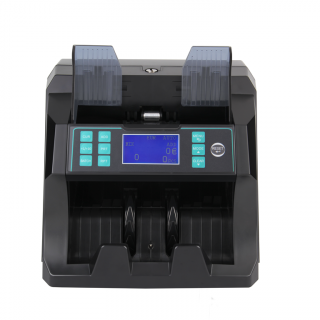 SN-2000
Original price was: ر.س1,955.00.ر.س1,650.00Current price is: ر.س1,650.00.
-
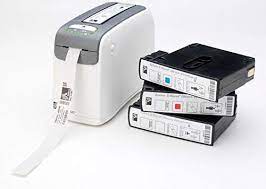 ZEBRA Thermal Wristband Printer HC100
Original price was: ر.س2,500.00.ر.س2,300.00Current price is: ر.س2,300.00.
-
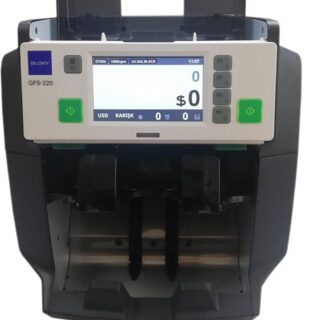 GLORY GFS-220-C
Original price was: ر.س9,500.00.ر.س9,200.00Current price is: ر.س9,200.00.
-
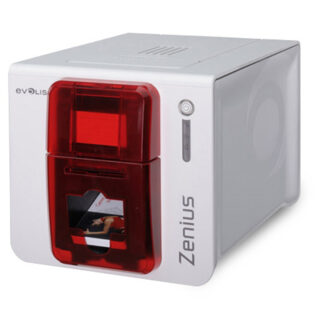 Evolis Zenius Single-Sided ID Card Printer - ZN1U0000RS
ر.س3,800.00
Products
-
AP-5000D Point of Sale Device جهاز كاشير نقاط البيع
ر.س2,350.00
-
 AP-5000 Point of Sale Device جهاز كاشير نقاط البيع
ر.س2,070.00
-
 LM199CD - PREMIUM CASH DRAWER
Original price was: ر.س150.00.ر.س130.00Current price is: ر.س130.00.
-
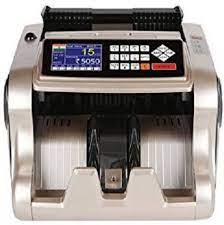 AT-777
Original price was: ر.س1,000.00.ر.س800.00Current price is: ر.س800.00.
-
SN-2000
Original price was: ر.س1,955.00.ر.س1,650.00Current price is: ر.س1,650.00.