
roulette history spins: everything that matters in 2026
roulette history spins offers a unique blend of chance and strategy that few other games can match. Players often gravitate toward roulette spin history statistics to refine their betting approach.
mobile casino pay with phone credit 5 2026 — casino phone credit 5
See also:
- The Ultimate Introduction to roulette spin history statistics: Tips and Tricks
- Top Roulette Bonus Offers
- Leveraging roulette spin history: A Step-by-Step Guide
- Common Queries on roulette spin history statistics Answered
- How to Set Gambling Limits When Playing Roulette
The Ultimate Introduction to roulette spin history statistics: Tips and Tricks
roulette history spins has long captivated roulette enthusiasts with its blend of strategy and chance. In 2026, understanding roulette spin history can significantly enhance your gameplay, offering a fresh perspective on this timeless casino classic. To truly professional the wheel, players must first grasp the fundamental differences between European and American roulette variants. The European wheel, featuring a single zero, provides a lower house edge of 2.7%, while its American counterpart adds a double zero, increasing the house advantage to 5.26%. This seemingly small distinction dramatically impacts long-term betting strategies and bankroll management. For instance, a gambler employing roulette spin history on a European table can expect to retain thomas more of their wagers over time compared to the American variation. Beyond the wheel configuration, the betting layout itself offers a rich tapestry of options. Inside bets, such as straight-up numbers or splits, deliver higher payouts but lower probabilities, while outside bets the likes of red/black or odd/even provide nearly 50% winning chances at even money. The roulette spin history approach often advocates for a balanced mix, leveraging the odds to minimize volatility. Consider the Martingale system, a classic progression where players double their bet after a loss, aiming to recoup previous losses with a single win. While efficient in theory, this strategy requires substantial capital and table limits can thwart its execution. In contrast, the Fibonacci sequence offers a more gradual progression, tying bet sizes to a mathematical series that moderates risk. The D’Alembert system, another favoured choice, increases bets by one unit after a loss and decreases by one after a win, assuming an equilibrium of outcomes over time. These systems, when combined with roulette spin history statistics, can adapt to different playing styles and risk tolerances. For example, a conservative player might prefer the Labouchere system, which involves creating a succession of numbers representing desired profit and crossing them off after wins, providing complex body part without aggressive doubling. Meanwhile, the Oscar’s Grind system focuses on achieving a single unit of profit per session, using a gradual progression that avoids large bets. Each of these methods interacts uniquely with roulette spin history statistics, influencing session outcomes and psychological endurance. To implement roulette spin history statistics effectively, players should also consider table conditions, such as minimum and maximum bets, which can constrain progression systems. Additionally, understanding the conception of ‘hot’ and ‘cold’ numbers—while statistically irrelevant—can affect betting psychology and discipline. Setting win and loss limits before playing is crucial, as it prevents emotional decisions that undermine roulette spin history principles. For instance, a player might decide to stop after a 20% gain or a 10% loss, ensuring they go forth the table with profits or avoid chasing losses. Practicing with free online roulette games can help refine these strategies without financial risk. Many platforms offer realistic simulations that track bet histories and outcomes, allowing players to test view roulette spin history in various scenarios. Moreover, keeping a journal of sessions can reveal patterns in decision-making and highlight areas for improvement. The social aspect of roulette also plays a role; live dealer games provide an immersive experience that can influence betting doings. Interacting with dealers and other players may lead to shared insights or distractions, so maintaining center view roulette spin history is essential. Ultimately, the synergy between roulette history spins and view roulette spin history lies in their ability to transubstantiate roulette from a game of pure luck into one of calculated risk. By combining statistical knowledge with disciplined execution, players can approach each spin with confidence. The thrill of the roll remains, but the outcome becomes less about chance and more about strategy. As 2026 unfolds, those who embrace roulette spin history will find themselves better equipped to navigate the highs and lows of this enduring product. Whether you are a seasoned oldtimer or a curious newcomer, integrating these concepts will deepen your appreciation and potentially your success at the roulette table.
Top Roulette Bonus Offers
- 50 free spins on signup
- £150 + 10 free spins
- up to £300 bonus
- 25x playthrough required
- 30x turnover in 14 days
- 45x wagering requirement applies
Leveraging roulette spin history: A Step-by-Step Guide
Understanding the House Edge in European vs American Roulette
When developing a roulette strategy, the first and most crucial factor to consider is the house edge, which varies significantly between the two main versions of the game. European roulette, with its single nought pocket, offers a house edge of just now 2.70%, making it the sir thomas more favourable alternative for players in the UK. In contrast, American roulette features both a single zero and a double zero, which pushes the house edge up to 5.26%. This difference may seem small, but over time it has a substantial impact on your bankroll. For instance, if you were to place £100 worth of bets on European roulette, the expected red ink is only £2.70, whereas on American roulette it would be £5.26. Therefore, any beginner strategy should prioritise playing European or French roulette over American variants whenever possible. French roulette further improves the odds with the ‘La Partage’ or ‘En Prison’ rules, which return half the bet on even-money wagers when the clump lands on zero, effectively reducing the house sharpness to 1.35% on those bets. This makes French roulette the top choice for strategic play, especially for those focusing on outside bets like red/black or odd/even.
Betting Systems: Martingale, Fibonacci, and D’Alembert
Many players move around to betting systems as part of their roulette strategy, but it is essential to understand their mechanics and limitations. The Martingale system is one of the most popular: you double your bet after every loss, aiming to recover all previous losses with a single win. For lesson, starting with a £1 bet on ruddy, if you lose, you bet £2, then £4, and so on. When you eventually win, you recoup the entire successiveness and gain a gain equal to the pilot stake. Yet, this scheme requires a substantial bankroll and is risky because table limits or a long losing streak can apace exhaust your funds. The Fibonacci system is more conservative, using a succession where each bet is the sum of the previous two (1, 1, 2, 3, 5, 8…). After a loss, you move one step send on; after a win, you move two steps back. This reduces the velocity at which bets escalate, making it slightly safer than Martingale. The D’Alembert system is regular gentler, increasing the bet by one unit after a loss and decreasing by ace after a win. It is ideal for even-money bets and players with a limited bankroll. None of these systems change the underlying house sharpness, but they can help structure your betting and manage your bankroll effectively. The cay is to set strict limits and never trail losses beyond your predetermined threshold.
Practical Bankroll Management for Roulette Players
Effective bankroll management is the cornerstone of any successful roulette strategy, particularly for beginners. Before you start playing, decide on a rigid amount of money you are willing to risk and never exceed it. This should be an amount you can give to lose without affecting your daily life. A common recommendation is to allocate no more than 5% of your total bankroll to any single session. For even-money bets, a good rule of thumb is to have enough for leastwise 20 bets to withstand short-term variance. For example, if your session bankroll is £100, your home place a bet should be around £5. This ensures you can hold up a losing streak without existence wiped out quickly. Additionally, set win goals and loss limits. For instance, if you double your session funds, deal cashing out and stopping. Similarly, if you lose 50% of your session budget, walking away. This discipline prevents emotional decision-making and helps you enjoy the game responsibly. Remember that roulette is a game of chance, and no strategy can guarantee consistent wins, but proper bankroll management maximises your playing time and entertainment value.
Adapting Strategies for Live Dealer Roulette
Live dealer roulette has get progressively favoured in UK online casinos, offering a more immersive experience with real dealers and physical wheels. When adapting your strategy for live roulette, consider a few key differences. First, live roulette often uses European rules with a single zero, which is favourable. However, the pace of the game is slower than automated versions, giving you more time to think nearly your bets. This can be an advantage when using systems like D’Alembert or Fibonacci, as you can carefully track your progress. Second, real dealer games typically have higher minimum bets than RNG-based roulette, so adjust your bankroll accordingly. Third, some live roulette tables offer additional features like statistics and historical results, which some players use to identify trends. While the wheel around has no memory and each spin is independent, tracking patterns can be parting of a personal strategy. Finally, make vantage of any side bets or unique rules offered in streamed roulette, but be aware that these often add up with a higher house edge. Stick to even-money bets for the best chance of maintaining your money.
best neosurf casino sites 2026 — neosurf casino site mobile
Our comparison of roulette history spins highlights the best sign-up deals.
Common Queries on roulette spin history statistics Answered
What is the difference between European, American, and French roulette?
European roulette has a single zero (37 pockets) giving a house edge of 2.7%, while American roulette has an additional double cypher (38 pockets) increasing the house edge to 5.26%. French roulette is similar to European but includes the ‘La Partage’ rule, which returns half your even-money wager if the lump lands on zero, reducing the house edge to 1.35%.
What does RTP mean in roulette and how is it calculated?
RTP (Issue to Player) is the theoretical percentage of wagered money a game returns to players over time; for European roulette, it is 97.3% (100% minus the 2.7% house edge). The RTP is the inverse of the house edge, so a lour house edge way a higher RTP.
What are the leading betting options for beginners in roulette?
Beginners should start with even-money alfresco bets ilk Red/Black, Unmatched/Even, or High/Lowest, as these offer nearly 50% win chances (48.6% on European roulette). These bets provide more frequent, smaller wins, making them ideal for learning the game’s pace and managing your bankroll.
How does live roulette differ from standard online roulette?
Live roulette streams a real dealer and physical wheel in real time, offering an immersive casino experience from place. It combines the social interaction of land-based casinos with the convenience of online play, though gamble limits and game speed may vary.
What is the house edge for to each one roulette variant?
European roulette has a 2.7% domiciliate edge, American roulette 5.26%, and French roulette with La Partage drops to 1.35%. The house edge represents the casino’s mediocre profit from each bet, so choosing European or French roulette maximises your long-term odds.
Apprehension roulette history spins helps you avoid vulgar pitfalls.
live casino software providers 2026 — live gaming software
How to Set Gambling Limits When Playing Roulette
Gambling is strictly for adults aged 18 and over in the UK. All operators featured are licensed by the Gambling Commission (UKGC) and must adhere to strict regulations. If you feel your gambling is becoming a problem, you can self-exclude via GAMSTOP, the national online self-exclusion intrigue. For confidential advice and support, middleman GamCare or BeGambleAware on the National Gambling Helpline at 0808 8020 133. E’er set deposit and time limits before you play, and remember that gambling should be for entertainment only—never chase your losses.
monopoly casino withdrawal time — key facts 2026 | monopoly casino

roulette history spins: everything that matters in 2026
roulette history spins offers a unique blend of chance and strategy that few other games can match. Players often gravitate toward roulette spin history statistics to refine their betting approach.
See also:
- The Ultimate Introduction to roulette spin history statistics: Tips and Tricks
- Top Roulette Bonus Offers
- Leveraging roulette spin history: A Step-by-Step Guide
- Common Queries on roulette spin history statistics Answered
- How to Set Gambling Limits When Playing Roulette
The Ultimate Introduction to roulette spin history statistics: Tips and Tricks
roulette history spins has long captivated roulette enthusiasts with its blend of strategy and chance. In 2026, understanding roulette spin history can significantly enhance your gameplay, offering a fresh perspective on this timeless casino classic. To truly professional the wheel, players must first grasp the fundamental differences between European and American roulette variants. The European wheel, featuring a single zero, provides a lower house edge of 2.7%, while its American counterpart adds a double zero, increasing the house advantage to 5.26%. This seemingly small distinction dramatically impacts long-term betting strategies and bankroll management. For instance, a gambler employing roulette spin history on a European table can expect to retain thomas more of their wagers over time compared to the American variation. Beyond the wheel configuration, the betting layout itself offers a rich tapestry of options. Inside bets, such as straight-up numbers or splits, deliver higher payouts but lower probabilities, while outside bets the likes of red/black or odd/even provide nearly 50% winning chances at even money. The roulette spin history approach often advocates for a balanced mix, leveraging the odds to minimize volatility. Consider the Martingale system, a classic progression where players double their bet after a loss, aiming to recoup previous losses with a single win. While efficient in theory, this strategy requires substantial capital and table limits can thwart its execution. In contrast, the Fibonacci sequence offers a more gradual progression, tying bet sizes to a mathematical series that moderates risk. The D’Alembert system, another favoured choice, increases bets by one unit after a loss and decreases by one after a win, assuming an equilibrium of outcomes over time. These systems, when combined with roulette spin history statistics, can adapt to different playing styles and risk tolerances. For example, a conservative player might prefer the Labouchere system, which involves creating a succession of numbers representing desired profit and crossing them off after wins, providing complex body part without aggressive doubling. Meanwhile, the Oscar’s Grind system focuses on achieving a single unit of profit per session, using a gradual progression that avoids large bets. Each of these methods interacts uniquely with roulette spin history statistics, influencing session outcomes and psychological endurance. To implement roulette spin history statistics effectively, players should also consider table conditions, such as minimum and maximum bets, which can constrain progression systems. Additionally, understanding the conception of ‘hot’ and ‘cold’ numbers—while statistically irrelevant—can affect betting psychology and discipline. Setting win and loss limits before playing is crucial, as it prevents emotional decisions that undermine roulette spin history principles. For instance, a player might decide to stop after a 20% gain or a 10% loss, ensuring they go forth the table with profits or avoid chasing losses. Practicing with free online roulette games can help refine these strategies without financial risk. Many platforms offer realistic simulations that track bet histories and outcomes, allowing players to test view roulette spin history in various scenarios. Moreover, keeping a journal of sessions can reveal patterns in decision-making and highlight areas for improvement. The social aspect of roulette also plays a role; live dealer games provide an immersive experience that can influence betting doings. Interacting with dealers and other players may lead to shared insights or distractions, so maintaining center view roulette spin history is essential. Ultimately, the synergy between roulette history spins and view roulette spin history lies in their ability to transubstantiate roulette from a game of pure luck into one of calculated risk. By combining statistical knowledge with disciplined execution, players can approach each spin with confidence. The thrill of the roll remains, but the outcome becomes less about chance and more about strategy. As 2026 unfolds, those who embrace roulette spin history will find themselves better equipped to navigate the highs and lows of this enduring product. Whether you are a seasoned oldtimer or a curious newcomer, integrating these concepts will deepen your appreciation and potentially your success at the roulette table.
Top Roulette Bonus Offers
- 50 free spins on signup
- £150 + 10 free spins
- up to £300 bonus
- 25x playthrough required
- 30x turnover in 14 days
- 45x wagering requirement applies
Leveraging roulette spin history: A Step-by-Step Guide
Understanding the House Edge in European vs American Roulette
When developing a roulette strategy, the first and most crucial factor to consider is the house edge, which varies significantly between the two main versions of the game. European roulette, with its single nought pocket, offers a house edge of just now 2.70%, making it the sir thomas more favourable alternative for players in the UK. In contrast, American roulette features both a single zero and a double zero, which pushes the house edge up to 5.26%. This difference may seem small, but over time it has a substantial impact on your bankroll. For instance, if you were to place £100 worth of bets on European roulette, the expected red ink is only £2.70, whereas on American roulette it would be £5.26. Therefore, any beginner strategy should prioritise playing European or French roulette over American variants whenever possible. French roulette further improves the odds with the ‘La Partage’ or ‘En Prison’ rules, which return half the bet on even-money wagers when the clump lands on zero, effectively reducing the house sharpness to 1.35% on those bets. This makes French roulette the top choice for strategic play, especially for those focusing on outside bets like red/black or odd/even.
Betting Systems: Martingale, Fibonacci, and D’Alembert
Many players move around to betting systems as part of their roulette strategy, but it is essential to understand their mechanics and limitations. The Martingale system is one of the most popular: you double your bet after every loss, aiming to recover all previous losses with a single win. For lesson, starting with a £1 bet on ruddy, if you lose, you bet £2, then £4, and so on. When you eventually win, you recoup the entire successiveness and gain a gain equal to the pilot stake. Yet, this scheme requires a substantial bankroll and is risky because table limits or a long losing streak can apace exhaust your funds. The Fibonacci system is more conservative, using a succession where each bet is the sum of the previous two (1, 1, 2, 3, 5, 8…). After a loss, you move one step send on; after a win, you move two steps back. This reduces the velocity at which bets escalate, making it slightly safer than Martingale. The D’Alembert system is regular gentler, increasing the bet by one unit after a loss and decreasing by ace after a win. It is ideal for even-money bets and players with a limited bankroll. None of these systems change the underlying house sharpness, but they can help structure your betting and manage your bankroll effectively. The cay is to set strict limits and never trail losses beyond your predetermined threshold.
Practical Bankroll Management for Roulette Players
Effective bankroll management is the cornerstone of any successful roulette strategy, particularly for beginners. Before you start playing, decide on a rigid amount of money you are willing to risk and never exceed it. This should be an amount you can give to lose without affecting your daily life. A common recommendation is to allocate no more than 5% of your total bankroll to any single session. For even-money bets, a good rule of thumb is to have enough for leastwise 20 bets to withstand short-term variance. For example, if your session bankroll is £100, your home place a bet should be around £5. This ensures you can hold up a losing streak without existence wiped out quickly. Additionally, set win goals and loss limits. For instance, if you double your session funds, deal cashing out and stopping. Similarly, if you lose 50% of your session budget, walking away. This discipline prevents emotional decision-making and helps you enjoy the game responsibly. Remember that roulette is a game of chance, and no strategy can guarantee consistent wins, but proper bankroll management maximises your playing time and entertainment value.
Adapting Strategies for Live Dealer Roulette
Live dealer roulette has get progressively favoured in UK online casinos, offering a more immersive experience with real dealers and physical wheels. When adapting your strategy for live roulette, consider a few key differences. First, live roulette often uses European rules with a single zero, which is favourable. However, the pace of the game is slower than automated versions, giving you more time to think nearly your bets. This can be an advantage when using systems like D’Alembert or Fibonacci, as you can carefully track your progress. Second, real dealer games typically have higher minimum bets than RNG-based roulette, so adjust your bankroll accordingly. Third, some live roulette tables offer additional features like statistics and historical results, which some players use to identify trends. While the wheel around has no memory and each spin is independent, tracking patterns can be parting of a personal strategy. Finally, make vantage of any side bets or unique rules offered in streamed roulette, but be aware that these often add up with a higher house edge. Stick to even-money bets for the best chance of maintaining your money.
min deposit 5 casino 2026 — casino 5 pound minimum deposit
casino megaways 2026 — top megaways casinos
Our comparison of roulette history spins highlights the best sign-up deals.
casino video poker 2026 — casino video poker jackpot
Common Queries on roulette spin history statistics Answered
What is the difference between European, American, and French roulette?
European roulette has a single zero (37 pockets) giving a house edge of 2.7%, while American roulette has an additional double cypher (38 pockets) increasing the house edge to 5.26%. French roulette is similar to European but includes the ‘La Partage’ rule, which returns half your even-money wager if the lump lands on zero, reducing the house edge to 1.35%.
What does RTP mean in roulette and how is it calculated?
RTP (Issue to Player) is the theoretical percentage of wagered money a game returns to players over time; for European roulette, it is 97.3% (100% minus the 2.7% house edge). The RTP is the inverse of the house edge, so a lour house edge way a higher RTP.
What are the leading betting options for beginners in roulette?
Beginners should start with even-money alfresco bets ilk Red/Black, Unmatched/Even, or High/Lowest, as these offer nearly 50% win chances (48.6% on European roulette). These bets provide more frequent, smaller wins, making them ideal for learning the game’s pace and managing your bankroll.
How does live roulette differ from standard online roulette?
Live roulette streams a real dealer and physical wheel in real time, offering an immersive casino experience from place. It combines the social interaction of land-based casinos with the convenience of online play, though gamble limits and game speed may vary.
What is the house edge for to each one roulette variant?
European roulette has a 2.7% domiciliate edge, American roulette 5.26%, and French roulette with La Partage drops to 1.35%. The house edge represents the casino’s mediocre profit from each bet, so choosing European or French roulette maximises your long-term odds.
Apprehension roulette history spins helps you avoid vulgar pitfalls.
How to Set Gambling Limits When Playing Roulette
Gambling is strictly for adults aged 18 and over in the UK. All operators featured are licensed by the Gambling Commission (UKGC) and must adhere to strict regulations. If you feel your gambling is becoming a problem, you can self-exclude via GAMSTOP, the national online self-exclusion intrigue. For confidential advice and support, middleman GamCare or BeGambleAware on the National Gambling Helpline at 0808 8020 133. E’er set deposit and time limits before you play, and remember that gambling should be for entertainment only—never chase your losses.
Top rated
-
 AP-5000D Point of Sale Device جهاز كاشير نقاط البيع
ر.س2,350.00
-
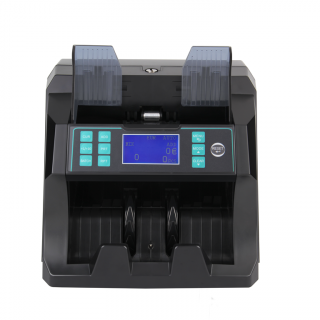 SN-2000
Original price was: ر.س1,955.00.ر.س1,650.00Current price is: ر.س1,650.00.
-
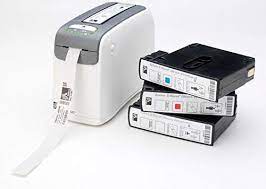 ZEBRA Thermal Wristband Printer HC100
Original price was: ر.س2,500.00.ر.س2,300.00Current price is: ر.س2,300.00.
-
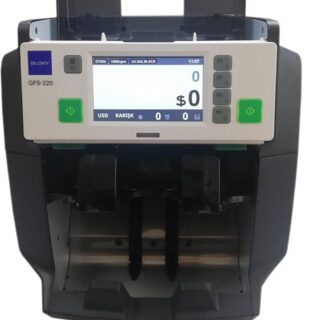 GLORY GFS-220-C
Original price was: ر.س9,500.00.ر.س9,200.00Current price is: ر.س9,200.00.
-
 Evolis Zenius Single-Sided ID Card Printer - ZN1U0000RS
ر.س3,800.00
Products
-
AP-5000D Point of Sale Device جهاز كاشير نقاط البيع
ر.س2,350.00
-
 AP-5000 Point of Sale Device جهاز كاشير نقاط البيع
ر.س2,070.00
-
 LM199CD - PREMIUM CASH DRAWER
Original price was: ر.س150.00.ر.س130.00Current price is: ر.س130.00.
-
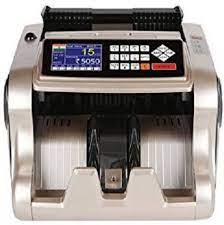 AT-777
Original price was: ر.س1,000.00.ر.س800.00Current price is: ر.س800.00.
-
SN-2000
Original price was: ر.س1,955.00.ر.س1,650.00Current price is: ر.س1,650.00.