

If you have any concerns, discuss them with your healthcare professional before the test. The presence of Heinz bodies causes the red cell to be trapped in the spleen and sometimes splenic macrophages surgically excise the portion of the red cell that contains a Heinz body. In these circumstances, the red cell may escape with a gap, appearing as bite cells.
What are the current guidelines for medication and dietary management in G6PD deficient patients?

In a way, however, this number is not very useful because G6PD deficiency is not evenly distributed around the world. This seems to be because, countering the negative health effects of G6PD deficiency, the deficiency gives some protection against malaria. As a result, in regions of the world where malaria has been endemic since prehistoric times, there has been positive selection for G6PD. Thus even within the same country, the prevalence of G6PD deficiency can vary greatly between different ethnic or geographical populations, from near zero to perhaps as high as 70%. Your doctor will provide a detailed list of medicines and substances that may trigger hemolysis that you should avoid.
How does G6PD deficiency affect other medical conditions or treatments?
Hemolytic anemia in adults is usually not life-threatening in developed countries but newborn infants with G6PD deficiency are also at risk for a severe form of jaundice that can lead to irreversible brain damage. The genetic variants that cause G6PD deficiency to affect the functioning of the enzyme called glucose-6-phosphate dehydrogenase. The majority of carriers of the deficiency have no obvious clinical symptoms in the absence of “triggers”(such as primaquine or fava beans) and are often unaware that they have this deficiency. G6PD deficiency (also known as favism or G6PDD) is hereditary, meaning it is passed down in families. It is caused by an abnormality in the activity of red blood cell enzymes.

G6PD Deficiency: Foods and Supplements to Choose and Avoid
A peripheral blood smear may show signs of hemolysis, such as schistocytes and Heinz bodies. G6PD is an inherited form of hemolytic anemia that can cause damage to your red blood cells. There are some medications and foods you should avoid if you have this condition.
- This disorder is one of the most common anemia disorders worldwide.
- In one study, 33% of participants with G6PD deficiency experienced hemolytic anemia due to eating fava beans.
- Likewise, fava beans have a similar reaction and are best to avoid as well.
- Glucose-6-phosphate dehydrogenase (G6PD) deficiency is a condition in which red blood cells break down when the body is exposed to certain medicines or the stress of infection.
- A statistical analysis of 280 studies in the medical literature derived a number equivalent to about 5% of the world’s population as being affected.
- Knowing which triggers to avoid is the best way to prevent symptoms.
During acute hemolysis, treatment is supportive; transfusions are needed only for severe anemia. However, during and immediately after a hemolytic episode, tests may yield false-negative results because of destruction of the older, more deficient RBCs and the production of reticulocytes, which are rich in G6PD. Thus, testing may need to be repeated several weeks after the acute event.
In exchange transfusions, their healthcare provider removes your baby’s unhealthy blood while replacing it with healthy, donated blood. Chronic Non-Spherocytic Hemolytic Anemia is a complicated and very variable syndrome. It is almost always https://sober-home.org/how-to-help-an-alcoholic-in-denial/ found in males without any family history of G6PD deficiency. There is a wide range of severity, apparently because many different mutations affecting the G6PD molecule have differing effects on the activity and stability of the enzyme.
Glucose-6 phosphate dehydrogenase (G6PD), also called the housekeeping gene, is an enzyme that protects your red blood cells against oxidative stress and related damage (2, 3, 4, 5). Advancing technology is driving better diagnostic tools and patient safety checks via computerized workflows, enhancing individualized health care. G6PD deficiency, a rare but manageable disease, requires strict avoidance of food and drug triggers. Physician use of computerized workflows that include disease interaction CDS can mitigate the risk of a G6PD-deficient patient receiving a “trigger” drug. All health-system-based pharmacists, including clinical pharmacists as members of the health care team, can utilize CDS tools in their workflows, adding a level of safety to the care of the G6PD-deficient patient.
The WHO classification is to be applied to genetic variants of G6PD, not to individuals. This distinction is important because individuals, at a particular point in time, may have a G6PD activity higher or lower than the median value for that variant. As for the overlap in G6PD activity previously observed in men with class II and class III variants, this issue is resolved by the merger of the two classes into the new class B.
Talk with your doctor if you’re concerned about your risk for the condition. G6PD deficiency is most prevalent in Africa, where it can affect up to 20 percent of the population. In the United States, G6PD deficiency is more common among blacks than whites. A 2019 review also suggests caution if using herbal supplements or extracts containing Rhizoma coptidis (also called Huang Lian) or Coptis chinensis. Some evidence suggests that Rhizoma coptidis and Coptis chinensis may cause symptoms for those with G6PD deficiency (11). In this case, the gene causing the deficiency does not come from a parent — the genetic change happens by chance (1).
In summary, we found only a limited number of publications describing foods or chemicals which are known to increase the risk of haemolysis in G6PD‐deficient individuals. Our review confirms the association between commonly implicated agents, such as fava beans, naphthalene and aniline dyes, and haemolysis in affected people, although the overall quality of the evidence is low. The mechanism by which G6PD deficiency causes neonatal hyperbilirubinemia is not completely understood. G6PD deficiency treatment and management https://sober-house.org/3-ways-to-pass-a-urine-drug-test-2/ include removing the underlying cause for example drugs must be stopped for glucose-6-phosphate dehydrogenase (G6PD) treatment and blood transfusion where necessary for severe anemia. Underlying infections must also be treated in glucose-6-phosphate dehydrogenase (G6PD) treatment and if indicated, splenectomy may be carried out. Specific tests include decreased fluorescence in the fluorescence spot test and Heinz bodies may be seen in the reticulocyte preparation particularly if the spleen is absent.
G6PD deficiency is more common among people living in sub-Saharan chip carter says he was warned by white house about drug raid the new york times Africa, the Mediterranean and Southeast Asia regions.
Acute hemolysis is self-limited, but in rare instances it can be severe enough to warrant a blood transfusion. Neonatal hyperbilirubinemia may require treatment with phototherapy or exchange transfusion to prevent kernicterus. The variant that causes chronic hemolysis is uncommon because it is related to sporadic gene mutation rather than the more common inherited gene mutation. G6PD catalyzes nicotinamide adenine dinucleotide phosphate (NADP) to its reduced form, NADPH, in the pentose phosphate pathway (Figure 14). Because erythrocytes do not generate NADPH in any other way,3 they are more susceptible than other cells to destruction from oxidative stress. A total deficiency of G6PD is incompatible with life.6 The G6PD-deficient variants are grouped into different classes corresponding with disease severity(Table 11,7).

Top rated
-
 AP-5000D Point of Sale Device جهاز كاشير نقاط البيع
ر.س2,350.00
AP-5000D Point of Sale Device جهاز كاشير نقاط البيع
ر.س2,350.00
-
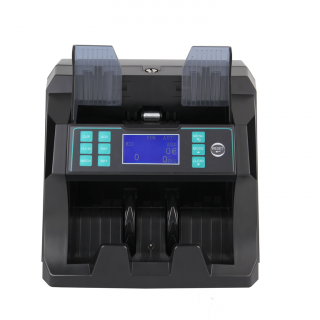 SN-2000
Original price was: ر.س1,955.00.ر.س1,650.00Current price is: ر.س1,650.00.
SN-2000
Original price was: ر.س1,955.00.ر.س1,650.00Current price is: ر.س1,650.00.
-
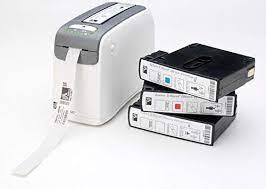 ZEBRA Thermal Wristband Printer HC100
Original price was: ر.س2,500.00.ر.س2,300.00Current price is: ر.س2,300.00.
ZEBRA Thermal Wristband Printer HC100
Original price was: ر.س2,500.00.ر.س2,300.00Current price is: ر.س2,300.00.
-
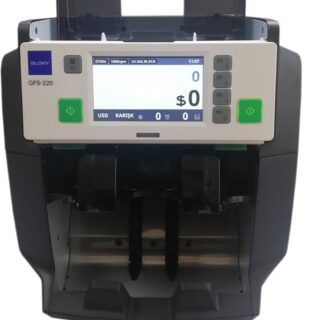 GLORY GFS-220-C
Original price was: ر.س9,500.00.ر.س9,200.00Current price is: ر.س9,200.00.
GLORY GFS-220-C
Original price was: ر.س9,500.00.ر.س9,200.00Current price is: ر.س9,200.00.
-
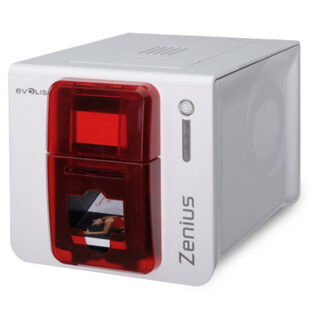 Evolis Zenius Single-Sided ID Card Printer - ZN1U0000RS
ر.س3,800.00
Evolis Zenius Single-Sided ID Card Printer - ZN1U0000RS
ر.س3,800.00
Products
-
AP-5000D Point of Sale Device جهاز كاشير نقاط البيع
ر.س2,350.00
-
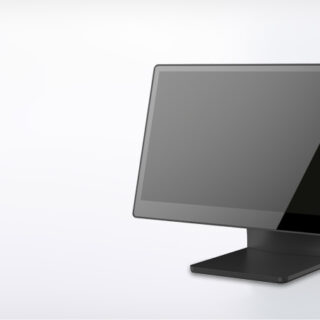 AP-5000 Point of Sale Device جهاز كاشير نقاط البيع
ر.س2,070.00
AP-5000 Point of Sale Device جهاز كاشير نقاط البيع
ر.س2,070.00
-
 LM199CD - PREMIUM CASH DRAWER
Original price was: ر.س150.00.ر.س130.00Current price is: ر.س130.00.
LM199CD - PREMIUM CASH DRAWER
Original price was: ر.س150.00.ر.س130.00Current price is: ر.س130.00.
-
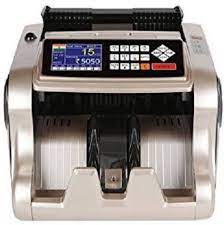 AT-777
Original price was: ر.س1,000.00.ر.س800.00Current price is: ر.س800.00.
AT-777
Original price was: ر.س1,000.00.ر.س800.00Current price is: ر.س800.00.
-
SN-2000
Original price was: ر.س1,955.00.ر.س1,650.00Current price is: ر.س1,650.00.
Leave a Reply