
Introduction: A High-Stakes Game Beyond the Tables
For seasoned gamblers in New Zealand, the thrill of the game is undeniable. The strategic thinking, the calculated risks, and the potential for significant rewards are all part of the allure. We understand the nuances of odds, the psychology of opponents, and the importance of bankroll management. However, even the most disciplined player can find themselves facing a far more challenging opponent than any casino – the insidious impact of problem gambling on family relationships. This article delves into the often-overlooked consequences of gambling addiction, exploring its corrosive effects on the bonds that matter most, and offering insights to help safeguard your personal life. It’s a game where the stakes are higher than any jackpot, and the losses can be irreversible. Perhaps a responsible approach to entertainment might include exploring options like the reputable BetandPlay casino, which prioritizes responsible gaming practices.
The Erosion of Trust: The Cornerstone of Family Life
Trust is the bedrock upon which all healthy relationships are built. Problem gambling, however, can systematically dismantle this foundation. The secrecy surrounding losses, the borrowing of money without disclosure, and the prioritization of gambling over family needs all contribute to a climate of distrust. Spouses, partners, and children may begin to question the gambler’s honesty, integrity, and commitment to the family unit. This erosion can manifest in several ways:
- Financial Strain: The most immediate impact is often financial. When gambling debts accumulate, families may face eviction, repossession of assets, and the constant stress of financial insecurity. This can lead to arguments, resentment, and a breakdown in communication.
- Broken Promises: Gamblers struggling with addiction often make promises they cannot keep. They may vow to stop gambling, to pay back debts, or to spend more time with their families, only to relapse. These broken promises further erode trust and create a sense of betrayal.
- Deception and Secrecy: The need to hide gambling activities and losses leads to deception. Gamblers may lie about where they are, how they spend their money, and the extent of their gambling. This secrecy isolates them from their loved ones and makes it difficult for family members to offer support.
The cumulative effect of these behaviors is devastating. Family members may experience anxiety, depression, and feelings of isolation. They may withdraw from the gambler, leading to further alienation and a worsening of the addiction.
The Emotional Toll: Beyond the Monetary Losses
The financial consequences of problem gambling are often the most visible, but the emotional toll on family members can be equally, if not more, damaging. The constant worry, the fear of the unknown, and the feeling of helplessness can lead to a range of emotional problems:
- Anxiety and Stress: Family members may live in a constant state of anxiety, worrying about the gambler’s whereabouts, their financial situation, and the potential for future losses. This chronic stress can lead to physical and mental health problems.
- Depression: The sense of loss, the feelings of betrayal, and the isolation associated with problem gambling can contribute to depression. Family members may experience feelings of sadness, hopelessness, and a loss of interest in activities they once enjoyed.
- Anger and Resentment: Family members may feel angry and resentful towards the gambler for their actions and the impact they have had on the family. This anger can lead to conflict and a breakdown in communication.
- Guilt and Shame: Family members may feel guilty for not being able to “fix” the gambler’s problem or for enabling their behavior. They may also feel ashamed of the gambler’s actions and the stigma associated with gambling addiction.
These emotional problems can have a significant impact on family relationships. They can lead to arguments, conflict, and a breakdown in communication. In severe cases, they can contribute to divorce, separation, and the breakdown of the family unit.
Children in the Crossfire: Vulnerable Witnesses
Children are particularly vulnerable to the negative effects of a parent’s problem gambling. They may not understand the complexities of the situation, but they are acutely aware of the emotional and financial turmoil within the family. They may:
- Feel Neglected: Parents struggling with gambling addiction often prioritize their gambling over their children’s needs. Children may feel neglected, unloved, and unimportant.
- Experience Financial Instability: Children may witness their families struggling financially, leading to a sense of insecurity and anxiety. They may have to go without basic necessities or experience changes in their lifestyle.
- Develop Behavioral Problems: Children may act out, withdraw, or develop emotional problems as a result of the stress and instability in their lives. They may struggle with school, relationships, and their overall well-being.
- Learn Unhealthy Coping Mechanisms: Children may learn unhealthy ways of coping with stress, such as substance abuse or problem gambling themselves. They may also develop a distorted view of money and values.
The long-term consequences for children can be significant. They may experience difficulties forming healthy relationships, struggle with their own mental health, and be more likely to develop problem gambling or other addictions later in life.
Seeking Help: Rebuilding and Recovery
The good news is that recovery from problem gambling is possible. However, it requires a commitment to change and a willingness to seek help. Here are some steps that can be taken:
- Acknowledge the Problem: The first step is to acknowledge that a problem exists. This can be difficult, but it is essential for recovery.
- Seek Professional Help: Therapy, counseling, and support groups can provide valuable support and guidance. Cognitive Behavioral Therapy (CBT) is often used to help gamblers change their thinking and behavior patterns.
- Attend Gamblers Anonymous: Gamblers Anonymous (GA) is a self-help group that offers support and fellowship to those struggling with gambling addiction.
- Involve Family Members: Family therapy can help to repair damaged relationships and improve communication. Family members can also learn how to support the gambler in their recovery.
- Implement Financial Controls: Setting up financial controls, such as having a trusted family member manage finances, can help to prevent relapse.
- Develop Healthy Coping Mechanisms: Learning healthy ways of coping with stress, such as exercise, hobbies, and spending time with loved ones, can help to prevent relapse.
Recovery is a journey, not a destination. It takes time, effort, and commitment. But with the right support and resources, it is possible to rebuild relationships and regain control of your life.
Conclusion: Winning Back Your Family
For experienced gamblers in New Zealand, the allure of the game can be powerful. However, it is crucial to recognize the potential for problem gambling and its devastating impact on family relationships. The erosion of trust, the emotional toll, and the vulnerability of children are all serious consequences that should not be ignored. By acknowledging the risks, seeking professional help when needed, and prioritizing family well-being, you can safeguard your relationships and ensure that the house doesn’t win in the most important game of all – your family life. Remember, true wealth lies not in winnings, but in the enduring bonds of love and support.

Top rated
-
 AP-5000D Point of Sale Device جهاز كاشير نقاط البيع
ر.س2,350.00
AP-5000D Point of Sale Device جهاز كاشير نقاط البيع
ر.س2,350.00
-
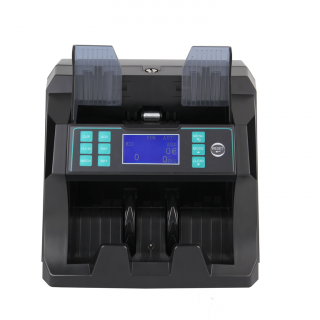 SN-2000
Original price was: ر.س1,955.00.ر.س1,650.00Current price is: ر.س1,650.00.
SN-2000
Original price was: ر.س1,955.00.ر.س1,650.00Current price is: ر.س1,650.00.
-
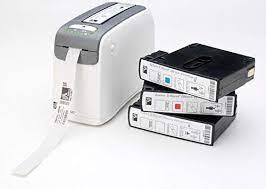 ZEBRA Thermal Wristband Printer HC100
Original price was: ر.س2,500.00.ر.س2,300.00Current price is: ر.س2,300.00.
ZEBRA Thermal Wristband Printer HC100
Original price was: ر.س2,500.00.ر.س2,300.00Current price is: ر.س2,300.00.
-
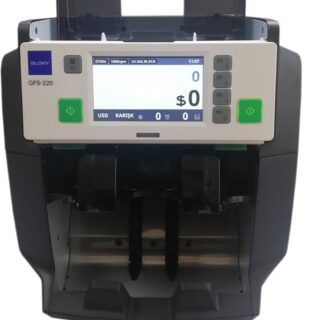 GLORY GFS-220-C
Original price was: ر.س9,500.00.ر.س9,200.00Current price is: ر.س9,200.00.
GLORY GFS-220-C
Original price was: ر.س9,500.00.ر.س9,200.00Current price is: ر.س9,200.00.
-
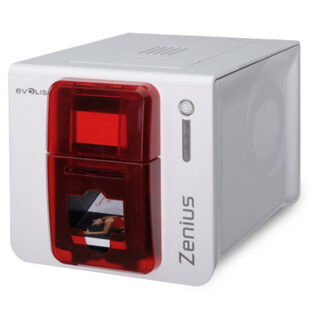 Evolis Zenius Single-Sided ID Card Printer - ZN1U0000RS
ر.س3,800.00
Evolis Zenius Single-Sided ID Card Printer - ZN1U0000RS
ر.س3,800.00
Products
-
AP-5000D Point of Sale Device جهاز كاشير نقاط البيع
ر.س2,350.00
-
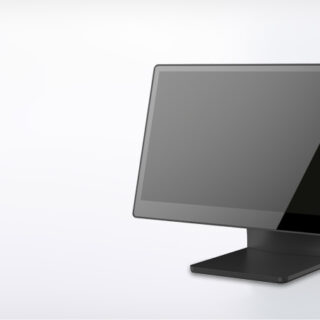 AP-5000 Point of Sale Device جهاز كاشير نقاط البيع
ر.س2,070.00
AP-5000 Point of Sale Device جهاز كاشير نقاط البيع
ر.س2,070.00
-
 LM199CD - PREMIUM CASH DRAWER
Original price was: ر.س150.00.ر.س130.00Current price is: ر.س130.00.
LM199CD - PREMIUM CASH DRAWER
Original price was: ر.س150.00.ر.س130.00Current price is: ر.س130.00.
-
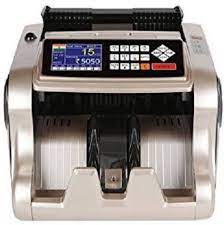 AT-777
Original price was: ر.س1,000.00.ر.س800.00Current price is: ر.س800.00.
AT-777
Original price was: ر.س1,000.00.ر.س800.00Current price is: ر.س800.00.
-
SN-2000
Original price was: ر.س1,955.00.ر.س1,650.00Current price is: ر.س1,650.00.