
Cognitive bias in interactive system architecture
Interactive systems shape everyday interactions of millions of individuals worldwide. Designers create interfaces that direct people through complex tasks and decisions. Human thinking operates through psychological heuristics that facilitate information processing.
Cognitive tendency influences how users interpret data, perform decisions, and engage with electronic solutions. Developers must comprehend these mental patterns to build efficient designs. Awareness of bias assists develop platforms that facilitate user goals.
Every button position, shade choice, and content organization influences user siti non aams conduct. Interface components prompt certain psychological reactions that shape decision-making processes. Contemporary interactive platforms collect vast amounts of behavioral information. Comprehending cognitive tendency allows creators to understand user behavior accurately and build more seamless interactions. Knowledge of cognitive bias acts as basis for creating open and user-centered electronic offerings.
What mental tendencies are and why they matter in design
Mental biases embody systematic patterns of reasoning that differ from logical reasoning. The human brain manages enormous amounts of data every second. Cognitive heuristics assist manage this mental demand by streamlining complex decisions in casino non aams.
These cognitive tendencies develop from adaptive adaptations that once secured continuation. Biases that benefited humans well in physical world can lead to suboptimal choices in dynamic platforms.
Designers who overlook cognitive tendency create designs that irritate individuals and produce errors. Understanding these cognitive tendencies permits creation of products consistent with innate human perception.
Confirmation bias leads users to favor information supporting existing convictions. Anchoring bias causes individuals to depend heavily on first portion of information received. These tendencies impact every aspect of user interaction with electronic solutions. Responsible development demands awareness of how interface components affect user cognition and conduct patterns.
How individuals make choices in digital contexts
Digital contexts offer individuals with ongoing streams of options and information. Decision-making procedures in interactive platforms differ significantly from material realm interactions.
The decision-making mechanism in digital settings involves several distinct phases:
- Data gathering through visual review of design components
- Tendency detection based on earlier interactions with analogous solutions
- Assessment of obtainable alternatives against personal objectives
- Choice of move through clicks, touches, or other input techniques
- Response interpretation to verify or adjust following decisions in casino online non aams
Users seldom involve in deep logical thinking during interface engagements. System 1 cognition controls electronic encounters through fast, automatic, and instinctive responses. This mental approach depends significantly on graphical indicators and recognizable tendencies.
Time urgency intensifies dependence on cognitive shortcuts in electronic settings. Interface structure either supports or obstructs these rapid decision-making processes through visual structure and engagement patterns.
Frequent mental tendencies influencing interaction
Several mental biases consistently shape user actions in interactive frameworks. Awareness of these tendencies assists creators foresee user reactions and develop more effective designs.
The anchoring effect happens when individuals rely too heavily on opening information displayed. First costs, default options, or initial remarks disproportionately shape later judgments. Individuals migliori casino non aams struggle to modify adequately from these initial baseline points.
Option excess paralyzes decision-making when too many options emerge together. Users experience stress when presented with extensive lists or item catalogs. Reducing options often increases user happiness and conversion levels.
The framing influence illustrates how display style modifies understanding of equivalent information. Characterizing a characteristic as ninety-five percent effective generates distinct responses than stating five percent failure percentage.
Recency bias leads users to overvalue current encounters when evaluating products. Recent engagements dominate recollection more than overall pattern of encounters.
The function of heuristics in user actions
Shortcuts function as cognitive rules of thumb that allow rapid decision-making without comprehensive examination. Users use these mental heuristics continuously when navigating dynamic systems. These simplified strategies reduce cognitive work needed for standard operations.
The recognition heuristic guides individuals toward recognizable choices over unknown choices. Users believe familiar brands, symbols, or design tendencies deliver greater dependability. This cognitive heuristic clarifies why accepted creation standards outperform creative approaches.
Availability heuristic prompts users to assess chance of occurrences founded on simplicity of recollection. Current interactions or memorable instances unfairly influence risk evaluation casino non aams. The representativeness shortcut guides individuals to categorize objects based on similarity to models. Individuals expect shopping cart symbols to mirror physical trolleys. Deviations from these cognitive templates produce uncertainty during interactions.
Satisficing characterizes pattern to pick first satisfactory option rather than ideal selection. This shortcut clarifies why conspicuous location dramatically raises selection percentages in electronic designs.
How interface elements can intensify or diminish tendency
Interface architecture decisions straightforwardly influence the strength and trajectory of mental biases. Purposeful application of graphical elements and engagement tendencies can either leverage or lessen these cognitive tendencies.
Architecture elements that intensify mental tendency include:
- Preset options that utilize status quo bias by creating non-action the easiest course
- Rarity signals showing constrained supply to activate loss resistance
- Social validation components presenting user numbers to activate bandwagon effect
- Visual hierarchy emphasizing specific alternatives through scale or color
Interface approaches that diminish bias and enable logical decision-making in casino online non aams: neutral display of options without visual stress on preferred selections, complete data presentation facilitating comparison across features, arbitrary sequence of items blocking location bias, obvious marking of expenses and gains connected with each alternative, verification steps for important decisions allowing reassessment. The identical interface component can fulfill principled or deceptive goals depending on execution environment and designer purpose.
Cases of bias in navigation, forms, and selections
Browsing systems frequently utilize primacy phenomenon by placing preferred targets at peak of lists. Users unfairly choose initial items regardless of actual relevance. E-commerce platforms place high-margin offerings prominently while burying economical options.
Form architecture utilizes default bias through pre-selected boxes for newsletter registrations or information exchange consents. Users adopt these defaults at considerably higher frequencies than actively picking same options. Rate pages show anchoring bias through calculated layout of subscription categories. High-end packages emerge initially to create high baseline points. Middle-tier options appear sensible by contrast even when actually expensive. Option architecture in sorting platforms introduces confirmation bias by showing findings aligning original selections. Individuals observe offerings reinforcing current presuppositions rather than different choices.
Advancement signals migliori casino non aams in staged procedures exploit dedication tendency. Individuals who invest effort finishing first phases experience compelled to finish despite growing doubts. Invested investment error holds users progressing ahead through prolonged checkout steps.
Moral considerations in applying mental tendency
Developers wield considerable capability to shape user behavior through design choices. This power poses core concerns about control, independence, and occupational responsibility. Knowledge of cognitive bias generates moral responsibilities past simple accessibility improvement.
Exploitative creation tendencies emphasize commercial metrics over user welfare. Dark patterns deliberately confuse individuals or trick them into unintended moves. These methods create short-term gains while eroding credibility. Clear design values user independence by creating outcomes of selections clear and undoable. Ethical interfaces supply sufficient information for informed decision-making without burdening cognitive ability.
Susceptible populations merit special protection from bias abuse. Children, senior individuals, and individuals with mental impairments encounter heightened vulnerability to exploitative creation casino non aams.
Professional codes of conduct progressively address ethical employment of conduct-related insights. Field standards emphasize user benefit as main interface measure. Compliance frameworks presently ban certain dark patterns and fraudulent interface practices.
Creating for transparency and knowledgeable decision-making
Clarity-focused creation favors user comprehension over persuasive exploitation. Interfaces should show information in formats that support cognitive handling rather than leverage mental limitations. Open interaction empowers users casino online non aams to reach selections compatible with individual values.
Visual hierarchy directs attention without misrepresenting comparative importance of options. Uniform font design and color structures generate predictable patterns that minimize cognitive load. Information framework arranges content rationally based on user cognitive frameworks. Clear terminology removes terminology and needless complexity from design copy. Short sentences communicate individual ideas plainly. Active voice displaces vague generalizations that conceal meaning.
Evaluation utilities aid users analyze choices across multiple aspects simultaneously. Side-by-side displays expose compromises between capabilities and advantages. Uniform measures enable objective assessment. Undoable moves decrease stress on initial choices and encourage discovery. Undo functions migliori casino non aams and simple withdrawal policies demonstrate regard for user agency during engagement with complex systems.

Top rated
-
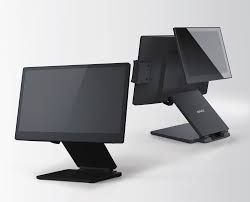 AP-5000D Point of Sale Device جهاز كاشير نقاط البيع
ر.س2,350.00
AP-5000D Point of Sale Device جهاز كاشير نقاط البيع
ر.س2,350.00
-
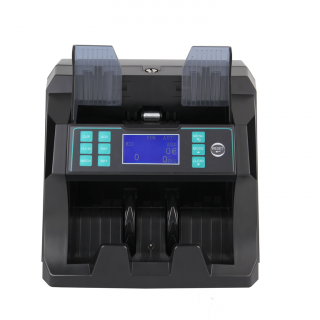 SN-2000
Original price was: ر.س1,955.00.ر.س1,650.00Current price is: ر.س1,650.00.
SN-2000
Original price was: ر.س1,955.00.ر.س1,650.00Current price is: ر.س1,650.00.
-
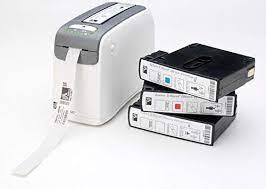 ZEBRA Thermal Wristband Printer HC100
Original price was: ر.س2,500.00.ر.س2,300.00Current price is: ر.س2,300.00.
ZEBRA Thermal Wristband Printer HC100
Original price was: ر.س2,500.00.ر.س2,300.00Current price is: ر.س2,300.00.
-
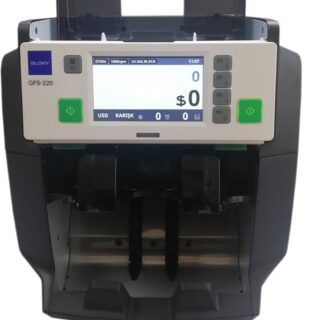 GLORY GFS-220-C
Original price was: ر.س9,500.00.ر.س9,200.00Current price is: ر.س9,200.00.
GLORY GFS-220-C
Original price was: ر.س9,500.00.ر.س9,200.00Current price is: ر.س9,200.00.
-
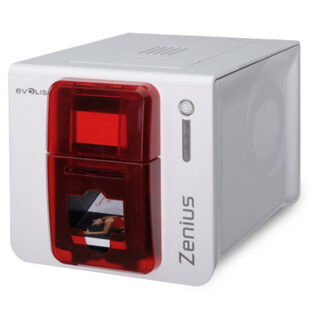 Evolis Zenius Single-Sided ID Card Printer - ZN1U0000RS
ر.س3,800.00
Evolis Zenius Single-Sided ID Card Printer - ZN1U0000RS
ر.س3,800.00
Products
-
AP-5000D Point of Sale Device جهاز كاشير نقاط البيع
ر.س2,350.00
-
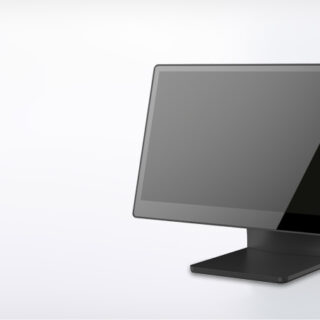 AP-5000 Point of Sale Device جهاز كاشير نقاط البيع
ر.س2,070.00
AP-5000 Point of Sale Device جهاز كاشير نقاط البيع
ر.س2,070.00
-
 LM199CD - PREMIUM CASH DRAWER
Original price was: ر.س150.00.ر.س130.00Current price is: ر.س130.00.
LM199CD - PREMIUM CASH DRAWER
Original price was: ر.س150.00.ر.س130.00Current price is: ر.س130.00.
-
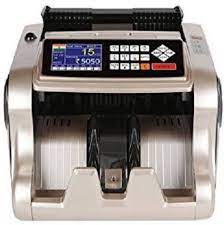 AT-777
Original price was: ر.س1,000.00.ر.س800.00Current price is: ر.س800.00.
AT-777
Original price was: ر.س1,000.00.ر.س800.00Current price is: ر.س800.00.
-
SN-2000
Original price was: ر.س1,955.00.ر.س1,650.00Current price is: ر.س1,650.00.
Leave a Reply