
Introduction: Why This Matters to You
As industry analysts, you’re constantly seeking to understand and predict market trends. The Canadian online gambling sector is a dynamic and evolving space, ripe with opportunities and challenges. This article provides a comprehensive overview of the current state of online casinos in Canada, focusing on key trends, regulatory nuances, and future projections. Understanding this landscape is crucial for making informed investment decisions, assessing competitive threats, and identifying emerging opportunities. From the impact of provincial regulations to the rise of new payment methods, we’ll delve into the critical factors shaping the Canadian online casino market. Navigating this complex environment requires a keen understanding of player behavior, technological advancements, and the ever-shifting regulatory framework. One of the many conveniences available to players is the ease of using payment methods, and for those looking for a simple option, consider exploring googlepaycasino.ca.
The Regulatory Maze: Navigating Canadian Gaming Laws
Canada’s online gambling landscape is not a monolithic entity. Instead, it’s a patchwork of provincial regulations, each with its own set of rules and guidelines. This decentralized approach creates both opportunities and complexities for operators and analysts alike. The legal framework is primarily governed by provincial governments, with each province having the authority to license and regulate online gambling activities within its borders. Some provinces, like Ontario, have embraced a regulated market, allowing licensed operators to offer their services. Others, such as British Columbia and Quebec, operate through government-run platforms or license operators under specific conditions. Understanding these provincial variations is paramount. For instance, Ontario’s iGaming market has seen significant growth since its launch, attracting numerous international operators. In contrast, other provinces may have more restrictive regulations, impacting market access and revenue potential. Analysts must carefully consider these regional differences when assessing market size, growth prospects, and competitive dynamics. The legal status of offshore operators also presents a challenge, as they may operate in the Canadian market without being officially licensed by a Canadian province. This can create a grey market, complicating revenue tracking and regulatory enforcement.
Key Regulatory Considerations
- Provincial Licensing: The primary determinant of legality and market access.
- Taxation: Varying tax rates across provinces impact operator profitability.
- Advertising Restrictions: Regulations on marketing and advertising campaigns.
- Responsible Gambling Measures: Requirements for player protection and harm minimization.
- Data Privacy: Compliance with Canadian privacy laws, such as PIPEDA.
Market Trends: What’s Driving Growth?
Several key trends are shaping the Canadian online casino market. Understanding these trends is crucial for forecasting future growth and identifying potential investment opportunities. The increasing adoption of mobile gaming is a significant driver. Smartphones and tablets have become the primary devices for many players, leading to a surge in mobile casino gaming. Operators are investing heavily in mobile-optimized platforms and apps to cater to this demand. Another key trend is the growing popularity of live dealer games. These games offer a more immersive and interactive experience, replicating the atmosphere of a land-based casino. The integration of advanced technologies, such as virtual reality (VR) and augmented reality (AR), is also beginning to emerge, promising even more immersive gaming experiences in the future. The rise of new payment methods, including e-wallets and cryptocurrencies, is also influencing the market. These payment options offer greater convenience, security, and anonymity for players. Furthermore, the increasing focus on responsible gambling is shaping the industry. Operators are implementing measures to promote player protection, such as deposit limits, self-exclusion options, and responsible gambling tools. This focus on player well-being is not only ethically sound but also essential for long-term sustainability.
Key Market Drivers
- Mobile Gaming: The dominance of smartphones and tablets.
- Live Dealer Games: The demand for immersive experiences.
- Technological Advancements: VR, AR, and other innovations.
- Payment Method Evolution: E-wallets, cryptocurrencies, and other options.
- Responsible Gambling: Player protection and harm minimization.
Competitive Landscape: Who’s Winning the Game?
The Canadian online casino market is highly competitive, with a mix of established international operators and emerging local players. The competitive landscape is constantly evolving, with new entrants, mergers, and acquisitions reshaping the market dynamics. Key players include major international brands that have successfully adapted their offerings to the Canadian market. These operators often have significant financial resources, advanced technology, and established player bases. They compete on factors such as game selection, user experience, and marketing spend. Local operators, including those licensed by provincial governments, are also gaining traction. These players often have a deeper understanding of the local market and can tailor their offerings to meet the specific needs and preferences of Canadian players. The competitive landscape also includes affiliate marketers, who play a crucial role in driving traffic and acquiring new players. These affiliates promote online casinos through various channels, such as websites, social media, and email marketing. Assessing the competitive landscape requires a thorough analysis of market share, revenue streams, customer acquisition costs, and brand positioning. Understanding the strengths and weaknesses of each player is essential for making informed investment decisions.
Competitive Analysis Considerations
- Market Share: Identifying the leading operators.
- Revenue Streams: Analyzing revenue sources and profitability.
- Customer Acquisition Costs: Evaluating marketing efficiency.
- Brand Positioning: Assessing brand reputation and market perception.
- Game Selection and User Experience: Comparing platform features and offerings.
Future Projections and Opportunities
The Canadian online casino market is poised for continued growth in the coming years. Several factors will contribute to this growth, including the expansion of regulated markets, the increasing adoption of mobile gaming, and the introduction of new technologies. The legalization of online gambling in additional provinces will create new market opportunities and attract more operators. The ongoing development of mobile gaming technology will further enhance the user experience and drive player engagement. The integration of VR and AR technologies has the potential to revolutionize the gaming experience, creating even more immersive and engaging environments. The rise of new payment methods, such as cryptocurrencies, will also provide new opportunities for operators to attract players and expand their reach. However, the market will also face challenges, including regulatory hurdles, competition from offshore operators, and the need to maintain responsible gambling practices. Analysts must carefully consider these factors when making future projections. The key to success in the Canadian online casino market will be the ability to adapt to changing market conditions, innovate with new technologies, and prioritize responsible gambling practices. The opportunities are significant, but so are the risks. Careful analysis and strategic planning are essential for achieving long-term success.
Conclusion: Key Insights and Recommendations
The Canadian online casino market presents a compelling investment opportunity, but it’s essential to approach it with a clear understanding of the regulatory landscape, market trends, and competitive dynamics. Key takeaways include the importance of provincial regulations, the impact of mobile gaming, and the need for a strong focus on responsible gambling. For industry analysts, the following recommendations are crucial: Conduct thorough due diligence on all potential investments, paying close attention to regulatory compliance and market access. Monitor market trends closely, including the adoption of new technologies and payment methods. Assess the competitive landscape, identifying key players and their strengths and weaknesses. Prioritize responsible gambling practices, as they are essential for long-term sustainability. Stay informed about legislative changes and regulatory developments, as they can significantly impact market dynamics. By following these recommendations, analysts can make informed investment decisions and navigate the complexities of the Canadian online casino market with confidence. The future of online gambling in Canada is bright, but success requires a strategic approach and a deep understanding of the forces shaping this dynamic industry.

Top rated
-
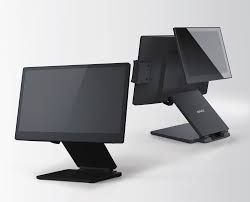 AP-5000D Point of Sale Device جهاز كاشير نقاط البيع
ر.س2,350.00
AP-5000D Point of Sale Device جهاز كاشير نقاط البيع
ر.س2,350.00
-
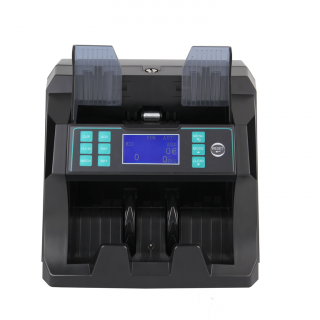 SN-2000
Original price was: ر.س1,955.00.ر.س1,650.00Current price is: ر.س1,650.00.
SN-2000
Original price was: ر.س1,955.00.ر.س1,650.00Current price is: ر.س1,650.00.
-
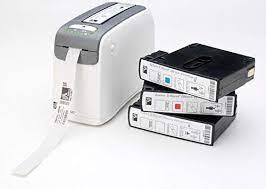 ZEBRA Thermal Wristband Printer HC100
Original price was: ر.س2,500.00.ر.س2,300.00Current price is: ر.س2,300.00.
ZEBRA Thermal Wristband Printer HC100
Original price was: ر.س2,500.00.ر.س2,300.00Current price is: ر.س2,300.00.
-
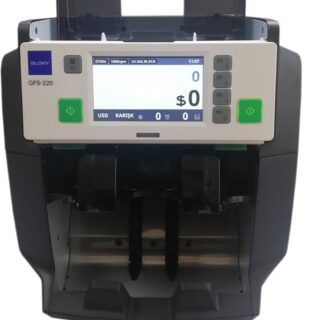 GLORY GFS-220-C
Original price was: ر.س9,500.00.ر.س9,200.00Current price is: ر.س9,200.00.
GLORY GFS-220-C
Original price was: ر.س9,500.00.ر.س9,200.00Current price is: ر.س9,200.00.
-
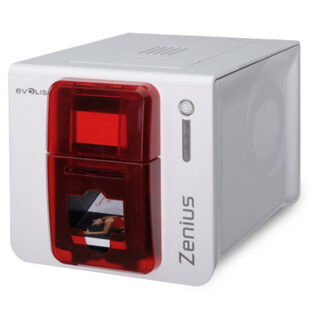 Evolis Zenius Single-Sided ID Card Printer - ZN1U0000RS
ر.س3,800.00
Evolis Zenius Single-Sided ID Card Printer - ZN1U0000RS
ر.س3,800.00
Products
-
AP-5000D Point of Sale Device جهاز كاشير نقاط البيع
ر.س2,350.00
-
 AP-5000 Point of Sale Device جهاز كاشير نقاط البيع
ر.س2,070.00
AP-5000 Point of Sale Device جهاز كاشير نقاط البيع
ر.س2,070.00
-
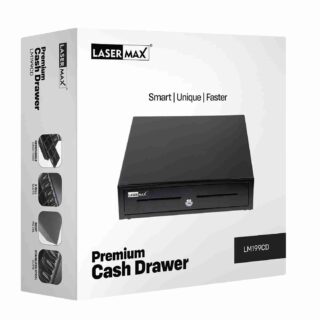 LM199CD - PREMIUM CASH DRAWER
Original price was: ر.س150.00.ر.س130.00Current price is: ر.س130.00.
LM199CD - PREMIUM CASH DRAWER
Original price was: ر.س150.00.ر.س130.00Current price is: ر.س130.00.
-
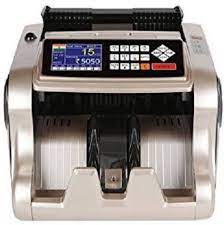 AT-777
Original price was: ر.س1,000.00.ر.س800.00Current price is: ر.س800.00.
AT-777
Original price was: ر.س1,000.00.ر.س800.00Current price is: ر.س800.00.
-
SN-2000
Original price was: ر.س1,955.00.ر.س1,650.00Current price is: ر.س1,650.00.