
Introduction: Why This Matters to You
For industry analysts operating in Australia, understanding the nuances of the online gambling and casino sector is no longer a luxury; it’s a necessity. This rapidly evolving market presents both significant opportunities and complex challenges. From regulatory shifts and technological advancements to evolving consumer behaviors, the landscape is constantly in flux. This article aims to provide a clear, accessible overview of the key trends, challenges, and opportunities shaping the Australian online gambling market, equipping you with the insights needed to make informed strategic decisions. The sector’s growth is undeniable, fueled by increased accessibility, the proliferation of mobile devices, and sophisticated marketing strategies. Furthermore, the convergence of online gambling with other forms of entertainment, such as esports and social gaming, is creating new avenues for expansion and revenue generation. Understanding these dynamics is critical for assessing market potential, identifying investment opportunities, and navigating the regulatory environment. The Australian market, with its unique regulatory framework and consumer preferences, demands a tailored approach. For example, the popularity of online pokies and sports betting necessitates a deep understanding of player demographics, responsible gambling initiatives, and the competitive landscape. As the industry evolves, so too must the analytical tools and frameworks used to assess its performance. The rise of new technologies, such as blockchain and artificial intelligence, is further reshaping the industry, creating both opportunities and potential disruptions. The ability to anticipate and adapt to these changes will be crucial for success. For those looking to furnish their home offices, a great place to start is https://voosfurniture.com/.
Market Overview: Key Trends and Players
The Australian online gambling market is dominated by a few key segments: sports betting, online casinos (including pokies, table games, and live dealer games), and lottery products. Sports betting remains a significant revenue driver, fueled by the popularity of Australian sports like AFL, NRL, and cricket. The online casino segment is also experiencing robust growth, driven by the convenience and accessibility of playing casino games from anywhere, at any time. The lottery market, while more established, continues to adapt to the online environment, offering digital versions of traditional lottery products. Key players in the Australian market include both domestic and international operators. These operators compete for market share through aggressive marketing campaigns, innovative product offerings, and strategic partnerships. The competitive landscape is intense, with operators constantly vying for customer attention and loyalty. This competition drives innovation, but also places pressure on profit margins and necessitates a strong focus on customer acquisition and retention. The regulatory environment in Australia is complex, with both federal and state-level regulations governing online gambling. This complexity adds to the challenges faced by operators, requiring them to navigate a web of compliance requirements and licensing obligations. The regulatory landscape is also subject to change, with governments constantly reviewing and updating legislation to address emerging issues such as problem gambling and consumer protection. Understanding the regulatory framework is therefore critical for any operator seeking to enter or expand within the Australian market.
The Rise of Mobile Gambling
Mobile devices have fundamentally changed the way Australians gamble online. The convenience of accessing gambling platforms on smartphones and tablets has fueled significant growth in mobile gambling. Operators have invested heavily in developing mobile-optimized websites and dedicated mobile apps to cater to this trend. Mobile gambling offers a seamless and immersive user experience, allowing players to access a wide range of games and betting options on the go. The shift towards mobile also presents new opportunities for operators to engage with customers through personalized marketing and targeted promotions. However, the rise of mobile gambling also presents challenges, including the need to ensure responsible gambling practices on mobile platforms and the potential for increased exposure to gambling-related harm. Operators must therefore prioritize the development of mobile-friendly responsible gambling tools and resources.
Technological Advancements and Their Impact
Technological advancements are reshaping the Australian online gambling market in several ways. The use of artificial intelligence (AI) and machine learning is enabling operators to personalize the player experience, detect problem gambling behaviors, and optimize marketing campaigns. Blockchain technology is being explored for its potential to enhance transparency and security in online gambling transactions. Virtual reality (VR) and augmented reality (AR) are creating immersive gaming experiences that could revolutionize the online casino segment. These technological advancements offer significant opportunities for innovation and differentiation, but also require operators to invest in new technologies and skillsets. The pace of technological change is accelerating, requiring operators to remain agile and adaptable in order to stay ahead of the curve. Furthermore, the ethical implications of using AI and other advanced technologies in online gambling must be carefully considered, particularly in relation to consumer protection and responsible gambling.
Regulatory Landscape and Compliance
The regulatory landscape in Australia is complex and multifaceted, with both federal and state/territory legislation governing online gambling. The Interactive Gambling Act 2001 (IGA) is the primary federal law regulating online gambling services. The IGA prohibits the provision of certain online gambling services to Australians, including online casinos and in-play sports betting. However, the IGA does allow for licensed online sports betting and lottery products. State and territory governments also have their own legislation and licensing regimes, which regulate the provision of online gambling services within their jurisdictions. This creates a complex patchwork of regulations that operators must navigate. Compliance with these regulations is essential for operators to operate legally and avoid penalties. Key areas of regulatory focus include responsible gambling, consumer protection, anti-money laundering (AML), and counter-terrorism financing (CTF). The regulatory environment is constantly evolving, with governments regularly reviewing and updating legislation to address emerging issues and protect consumers. Operators must stay abreast of these changes and adapt their operations accordingly.
Responsible Gambling Initiatives
Responsible gambling is a critical aspect of the Australian online gambling market. The industry is under increasing pressure to implement responsible gambling measures to protect consumers and minimize the risk of gambling-related harm. These measures include age verification, self-exclusion programs, deposit limits, and responsible gambling messaging. Operators are also required to provide information and support to problem gamblers. The effectiveness of responsible gambling initiatives is closely monitored by regulators and industry bodies. Operators are expected to continuously improve their responsible gambling practices and demonstrate a commitment to player welfare. The implementation of effective responsible gambling measures is not only a regulatory requirement but also a key factor in building trust and maintaining a positive reputation within the community.
Challenges and Opportunities
The Australian online gambling market faces several challenges. These include increasing regulatory scrutiny, the need to attract and retain customers in a competitive market, and the ongoing threat of problem gambling. The regulatory environment is becoming increasingly complex, with governments introducing new regulations and enforcement measures. Operators must invest in compliance and adapt their operations to meet these requirements. The competition for customers is intense, requiring operators to differentiate their product offerings and marketing strategies. The risk of problem gambling remains a significant concern, requiring operators to implement effective responsible gambling measures. Despite these challenges, the Australian online gambling market also presents significant opportunities. These include the continued growth of mobile gambling, the potential for innovation through new technologies, and the expansion of the market through strategic partnerships and product diversification. Operators that can effectively navigate the regulatory landscape, attract and retain customers, and prioritize responsible gambling are well-positioned to succeed in this dynamic market.
Conclusion: Key Takeaways and Recommendations
The Australian online gambling market is a dynamic and complex sector that presents both significant opportunities and challenges. Industry analysts must stay informed about key trends, regulatory changes, and technological advancements to provide accurate and insightful analysis. Key takeaways include the importance of understanding the regulatory landscape, the impact of mobile gambling, and the need to prioritize responsible gambling. Recommendations for industry analysts include: staying abreast of regulatory changes, monitoring technological advancements, and analyzing consumer behavior. Furthermore, analysts should focus on assessing the financial performance of operators, evaluating the effectiveness of responsible gambling initiatives, and identifying emerging trends and opportunities. By adopting these recommendations, industry analysts can provide valuable insights to stakeholders and contribute to the sustainable growth of the Australian online gambling market.

Top rated
-
 AP-5000D Point of Sale Device جهاز كاشير نقاط البيع
ر.س2,350.00
AP-5000D Point of Sale Device جهاز كاشير نقاط البيع
ر.س2,350.00
-
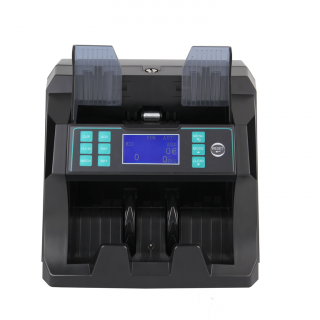 SN-2000
Original price was: ر.س1,955.00.ر.س1,650.00Current price is: ر.س1,650.00.
SN-2000
Original price was: ر.س1,955.00.ر.س1,650.00Current price is: ر.س1,650.00.
-
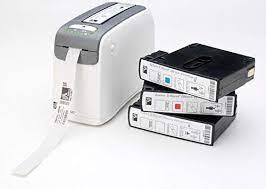 ZEBRA Thermal Wristband Printer HC100
Original price was: ر.س2,500.00.ر.س2,300.00Current price is: ر.س2,300.00.
ZEBRA Thermal Wristband Printer HC100
Original price was: ر.س2,500.00.ر.س2,300.00Current price is: ر.س2,300.00.
-
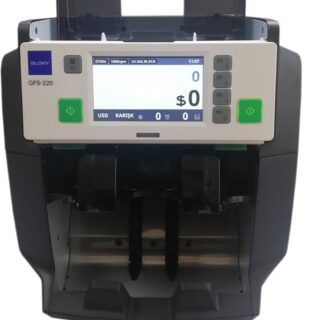 GLORY GFS-220-C
Original price was: ر.س9,500.00.ر.س9,200.00Current price is: ر.س9,200.00.
GLORY GFS-220-C
Original price was: ر.س9,500.00.ر.س9,200.00Current price is: ر.س9,200.00.
-
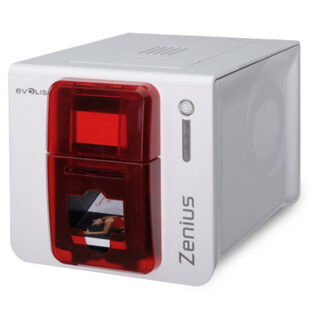 Evolis Zenius Single-Sided ID Card Printer - ZN1U0000RS
ر.س3,800.00
Evolis Zenius Single-Sided ID Card Printer - ZN1U0000RS
ر.س3,800.00
Products
-
AP-5000D Point of Sale Device جهاز كاشير نقاط البيع
ر.س2,350.00
-
 AP-5000 Point of Sale Device جهاز كاشير نقاط البيع
ر.س2,070.00
AP-5000 Point of Sale Device جهاز كاشير نقاط البيع
ر.س2,070.00
-
 LM199CD - PREMIUM CASH DRAWER
Original price was: ر.س150.00.ر.س130.00Current price is: ر.س130.00.
LM199CD - PREMIUM CASH DRAWER
Original price was: ر.س150.00.ر.س130.00Current price is: ر.س130.00.
-
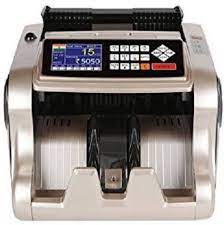 AT-777
Original price was: ر.س1,000.00.ر.س800.00Current price is: ر.س800.00.
AT-777
Original price was: ر.س1,000.00.ر.س800.00Current price is: ر.س800.00.
-
SN-2000
Original price was: ر.س1,955.00.ر.س1,650.00Current price is: ر.س1,650.00.