
video poker casino in 2026: a practical guide
video poker casino requires a flux of patience, hostility, and psychological insight. The latest development in video poker payouts is providing players with a new perspective on helping hand analysis.
bitcoin casino uk 2026 — bitcoin casino uk mobile
See also:
- Discover the Best video poker real money Options for New Players
- The Benefits of video poker payouts
- Understanding video poker casino Bonus Offers and Wagering
- Visualising Your video poker casino Experience
- Video Poker RTP Percentages for UK Players
- How to Find the Best video poker real money?
- What are video poker payouts?
- Recognising Problem Gambling Signs in Poker
Discover the Best video poker real money Options for New Players
video poker casino remains one of the most skilful and strategic variants in the casino humanity, demanding not just luck but a rich savvy of probability and human psychology. For players looking to improve their offering, mastering the art of bluffing and reading opponents is essential, and this is where video poker real money can provide valuable insights into the nuances of table dynamics and decision-making. The game unfolds in a tense ambiance where every move is calculated, from the initial deal to the final showdown. Players must always assess their mitt strength relative to community cards, weigh dope odds against potential gains, and predict opponents’ holdings based on betting patterns and physical tells. A successful bluff requires not only courage but also a keen observation of opponents’ tendencies—knowing when they are likely to fold under pressure level versus when they will call with a marginal hand. Conversely, detecting a bluff involves spotting inconsistencies in betting behavior, such as sudden large raises when the board shows a possible draw. Beyond the basics, innovative strategies include spatial relation play, where performing later in the betting round provides informational advantage, and hand range analysis, which narrows down opponents’ possible cards based on their actions. Bankroll management is equally decisive, as even skilled players experience variance; disciplined stake selection ensures longevity in the game. Psychological factors ilk tilt—emotional frustration leading to poor decisions—can derail even the most experienced players, making self-control a key differentiator. The social dynamics of the table also come into play, with table talk and personify language offering subtle clues. For instance, a gambler who suddenly becomes quiet might be holding a strong hand, while excessive maunder could indicate nervousness. Advanced players use deception not only in betting but also in their demeanor, deliberately sending off-key signals to pull wires opponents. The strategic depth extends to tournament play, where stack sizes, blind levels, and cashout structures work decisions differently than cash games. In tournaments, survival is paramount, so players must adjust aggressiveness based on their chip tally and law of proximity to the money bubble. Hand selection becomes more conservative too soon on, while belatedly stages require calculated risks to conglomerate chips. The metagame—the overarching strategy of how opponents perceive apiece other—adds another layer, as players develop reputations that can be exploited. A tight player might suddenly bluff, catching opponents away ward, while a loose player mightiness trap with a strong hand. Understanding these dynamics is crucial for long-term success. video poker tournaments specifically enhances these skills by offering structured frameworks for analyzing hands, tracking patterns, and refining suspicion. Through detailed hand histories and simulations, players can identify leaks in their game selection and practice scenarios that mirror real-world conditions. The integration of probabilistic models, such as expected value calculations and range balancing, turns nonfigurative concepts into actionable insights. For example, wise the optimal bluff frequency based on smoke odds prevents over- or under-bluffing. Additionally, psychological exercises aid players maintain focus and emotional equilibrium during high-stakes situations. Whether in live dealer games or online platforms, the principles remain consistent: discipline, observation, and continuous learning. The top players treat to each one session as a learning opportunity, reviewing mistakes and adapting strategies. They also study opponents’ styles—whether aggressive, passive, tight, or loose—and adjust their own approach accordingly. In heads-up scenarios, the complexity intensifies, as each decision directly impacts the opponent’s strategy, leading to a dynamic game of mutual version. At long last, video poker casino is a journey of mastery where every hand teaches something new, and video poker tournaments serves as an invaluable companion, accelerating ontogenesis through targeted insights and practical tools.
casino uk not on gamstop 2026 — casino not on gamstop uk 2025
The Benefits of video poker payouts
Understanding Hand Rankings and Starting Hands
Before diving into the more complex aspects of online poker, it is essential to have a firm grasp of hand rankings, as this forms the foundation of all poker variants. The criterion hierarchy, from highest to lowest, begins with the royal flush (ace, male monarch, queen, jack up, ten of the same suit), followed by a straight purge, quatern of a form, full house, flush, straight, three of a kind, two pair, ane pair, and finally the high-quality card. Beginners often find it helpful to memorise this enjoin before playing, as it dictates the strength of your hand in every round. Equally important is understanding which starting hands are worth playing. In Texas Hold’em, for instance, premium hands similar pocket aces, kings, queens, and ace-king suited are strong and should be raised pre-flop. Conversely, weak hands such as 2-7 offsuit or 3-8 offsuit are best folded to avoid pricy mistakes. Position at the felt also plays a crucial role; being in late position allows you to insure how opponents act before you make a decision, giving you a strategic advantage. By combining knowledge of deal rankings with smart starting paw selection, you can significantly improve your chances of winning, whether you are playing in a cash game or a tournament.
Cash Games vs Tournaments: Key Differences
When exploring digital poker, you will quickly encounter two primary formats: cash games and tournaments. Immediate payment games, often called ring games, involve playing with real money chips that experience actual cash value. You can join or leave a cash title at any time, and blinds remain fixed, making the rate consistent. This format suits players who prefer a steady, low-risk approach where balance management is straightforward. In contrast, tournaments require a fixed buy-in and involve a set list of players competing for a prize pool that grows as sir thomas more players register. The blinds increase at steady intervals, forcing action and eventually eliminating players until one remains. Tournaments present the allure of large payouts for a small entry fee, but they demand patience and adaptability due to the escalating blind structure. Sit-and-go tournaments are smaller, usually with 6 to 9 players, and get going as soon as the table offering is full. Multi-table tournaments, or MTTS, can have hundreds or regular thousands of participants, with late enrollment allowing players to join after the start. Understanding these differences is crucial for choosing the formatting that aligns with your playing style and goals.
Variants of Poker and Video Poker Options
While Texas Hold’em dominates the internet poker landscape, other variants offer unique challenges and opportunities. Omaha is similar to Hold’em but with quartet hollow cards instead of two, and players must use exactly two of them along with three community cards to pretend a manus. This leads to more action and bigger pots, as hands are generally stronger. Omaha Hi-Lo splits the pot between the best high deal and the best reduced hand, adding another layer of strategy. Seven-Card Stud, once the most popular poker game, is now less common but noneffervescent available on many platforms. In this variant, there are no community cards; each player receives septet cards, three face-down and four face-up, and the best five-card deal wins. For those who prefer a faster, solitary experience, video poker combines elements of slots and poker. Games like Jacks or Better or Deuces Wild allow you to hold and toss out cards to form winning hands, with payouts based on a predetermined table.
Our guide to video poker casino covers game selection and payoff speed.
Understanding video poker casino Bonus Offers and Wagering
- no-deposit £1000
- 75 free spins no wagering
- 40x playthrough in 21 days
- 25x wagering within 30 days
Visualising Your video poker casino Experience

online casino no wagering requirements 2026 — full guide
Video Poker RTP Percentages for UK Players
| Name | Biggest win | RTP | Year | Provider |
|---|---|---|---|---|
| Fruit Fiesta Deluxe | £45,600 | 93.2% | 2018 | NetEnt |
| Aztec Gold Rush | £2,000,000 | 95.0% | 2026 | Pragmatic Play |
| Lucky Leprechaun’s Loot | £134,800 | 92.8% | 2021 | NetEnt |
| Mega Spin Saga | £892,500 | 94.5% | 2019 | Microgaming |
How to Find the Best video poker real money?
Understanding Online Poker and Poker Rooms
- Virtual poker replicates the classic card game selection in a digital surround, allowing you to play against others from your computer or mobile device. The core rules remain selfsame to live poker, with the same hand rankings and betting structures. Like, a Royal Flush still beats a Full House, and betting rounds proceed in the same enjoin—preflop, flop, turn, and river. The only difference is that chips are virtual, and the deck is shuffled by software kinda than a human dealer. This digital interlingual rendition preserves the strategic depth of the game selection while adding convenience and accessibility.
- Poker rooms are the virtual venues where these games take place. Each room offers a lobby where you can browse available tables, filter by game type (Texas Hold’em, Omaha, etc.), wager level, and player numeration. You can also see average pot sizes, players per flop, and wait times for seats. Some rooms even video display player statistics like voluntary put money in pot (VPIP) and preflop raise percent, helping you choose tables with weaker opponents. The lobby is your command center, and learning to navigate it efficiently is key to finding profitable games.
- Most poker rooms provide a client software or web-based interface. You’ll need to create an account, micturate a deposit, and then select a table offering to get together. Many platforms feature tutorial modes for beginners, where you can play against bots or in low-stakes games without risking real money. Deposits are typically made via credit card, e-wallet, or cryptocurrency, and withdrawals are processed similarly. It’s important to go through the terms and conditions, as some rooms have wagering requirements for bonuses that impress how you can withdraw funds.
- A key difference from live poker is the gait of play. Online games are faster because there is no physical dealing or chip counting. This means you see more hands per hour, which can accelerate both learning and potentiality winnings. In a live game, you might see 30 hands per hour, while online you can see 60-100 hands per hour on a single table game. This speed also means that variance can be higher in the unforesightful term, but your skill sharpness compounds more quickly. Many players use this to their advantage by playing multiple tables simultaneously, a practice known as multi-tabling.
- Security and fairness are maintained through random list generators (RNGs) that shuffling the deck. Reputable rooms are regularly audited by tertiary parties to ensure randomness and integrity. These audits check that the RNG produces truly random results and that the card dispersion is unbiased. Additionally, poker rooms employ security measures to prevent collusion, bots, and other forms of cheating. They monitor lizard gambler behavior for suspicious patterns, such as multiple accounts from the same IP come up to or unusual betting patterns that suggest teamwork.
- Many online poker rooms offer features like helping hand history reviews, note-taking on opponents, and multi-tabling (playing several tables simultaneously), which are not possible in live settings. Mitt histories allow you to analyze your play after a session, identifying leaks and improving your strategy. Note-taking lets you put down observations about opponents’ tendencies, such as how often they bluff or fold to raises. Multi-tabling is a powerful tool for increasing hourly win rates, but it requires discipline and focus to avoid making pricy mistakes. Together, these features piddle online poker a rich environment for both learning and turn a profit.
What are video poker payouts?
What is the difference between a poker competition and a cash game?
In a tournament, players buy in for a fixed fee and receive a seth number of chips; play continues until one player has all the chips, with prizes awarded to leading finishers. In a immediate payment game, chips represent real money, players can join or depart at any time, and each helping hand is played for its own pot.
How do I use hand rankings in digital poker?
Hand rankings determine the winner of from each one manus; from highest to lowest they are: royal flush, straight flush, four of a kind, full house, flush, straight, three of a kind, two pair, one pair, and high card. Learning these is essential for making strategic decisions.
What is video poker you said it does it differ from table offering poker?
Video poker is a single-player electronic product that simulates five-card draw poker, where you aim to make the best possible deal to win payouts based on a paytable. Unlike table poker, there are no opponents or bluffing—it is purely a game of chance and optimal strategy.
Can I play online poker for free as a beginner?
Yes, most online poker rooms offer free play or ‘play money’ tables where you can learn the rules and practice without risking real money. This is an excellent way to understand hand rankings, betting rounds, and basic strategy before moving to real-money games.
gold blitz free spins — what to know 2026 | gold blitz free spins
What should I looking at for when choosing an online poker elbow room?
Look at factors same the variety of games and tournaments offered, traffic levels to ensure active tables, vendor quality and security, available bonuses (e.g., welcome bonus up to £250 hard currency bonus), and licensing under a reputable UK Gambling Commission (UKGC). Also verify the minimum deposit (£5) and wagering requirements (50x turnover in 30 days) for any promotions.
Recognising Problem Gambling Signs in Poker
Gambling is strictly for adults aged 18 and over in the UK. All UK-licensed operators are regulated by the Gambling Commission (UKGC). For support with gambling-related harm, contact GamCare or the National Gambling Helpline on 0808 8020 133. You can also self-exclude from all UK-licensed sites through GAMSTOP. Always set deposit and time limits before you play, and remember that gambling should be for entertainment, never to chase losses. If you’re struggling, help is available.
jackpot village casino 2026 — jackpot village casino promo code

video poker casino in 2026: a practical guide
video poker casino requires a flux of patience, hostility, and psychological insight. The latest development in video poker payouts is providing players with a new perspective on helping hand analysis.
See also:
- Discover the Best video poker real money Options for New Players
- The Benefits of video poker payouts
- Understanding video poker casino Bonus Offers and Wagering
- Visualising Your video poker casino Experience
- Video Poker RTP Percentages for UK Players
- How to Find the Best video poker real money?
- What are video poker payouts?
- Recognising Problem Gambling Signs in Poker
Discover the Best video poker real money Options for New Players
video poker casino remains one of the most skilful and strategic variants in the casino humanity, demanding not just luck but a rich savvy of probability and human psychology. For players looking to improve their offering, mastering the art of bluffing and reading opponents is essential, and this is where video poker real money can provide valuable insights into the nuances of table dynamics and decision-making. The game unfolds in a tense ambiance where every move is calculated, from the initial deal to the final showdown. Players must always assess their mitt strength relative to community cards, weigh dope odds against potential gains, and predict opponents’ holdings based on betting patterns and physical tells. A successful bluff requires not only courage but also a keen observation of opponents’ tendencies—knowing when they are likely to fold under pressure level versus when they will call with a marginal hand. Conversely, detecting a bluff involves spotting inconsistencies in betting behavior, such as sudden large raises when the board shows a possible draw. Beyond the basics, innovative strategies include spatial relation play, where performing later in the betting round provides informational advantage, and hand range analysis, which narrows down opponents’ possible cards based on their actions. Bankroll management is equally decisive, as even skilled players experience variance; disciplined stake selection ensures longevity in the game. Psychological factors ilk tilt—emotional frustration leading to poor decisions—can derail even the most experienced players, making self-control a key differentiator. The social dynamics of the table also come into play, with table talk and personify language offering subtle clues. For instance, a gambler who suddenly becomes quiet might be holding a strong hand, while excessive maunder could indicate nervousness. Advanced players use deception not only in betting but also in their demeanor, deliberately sending off-key signals to pull wires opponents. The strategic depth extends to tournament play, where stack sizes, blind levels, and cashout structures work decisions differently than cash games. In tournaments, survival is paramount, so players must adjust aggressiveness based on their chip tally and law of proximity to the money bubble. Hand selection becomes more conservative too soon on, while belatedly stages require calculated risks to conglomerate chips. The metagame—the overarching strategy of how opponents perceive apiece other—adds another layer, as players develop reputations that can be exploited. A tight player might suddenly bluff, catching opponents away ward, while a loose player mightiness trap with a strong hand. Understanding these dynamics is crucial for long-term success. video poker tournaments specifically enhances these skills by offering structured frameworks for analyzing hands, tracking patterns, and refining suspicion. Through detailed hand histories and simulations, players can identify leaks in their game selection and practice scenarios that mirror real-world conditions. The integration of probabilistic models, such as expected value calculations and range balancing, turns nonfigurative concepts into actionable insights. For example, wise the optimal bluff frequency based on smoke odds prevents over- or under-bluffing. Additionally, psychological exercises aid players maintain focus and emotional equilibrium during high-stakes situations. Whether in live dealer games or online platforms, the principles remain consistent: discipline, observation, and continuous learning. The top players treat to each one session as a learning opportunity, reviewing mistakes and adapting strategies. They also study opponents’ styles—whether aggressive, passive, tight, or loose—and adjust their own approach accordingly. In heads-up scenarios, the complexity intensifies, as each decision directly impacts the opponent’s strategy, leading to a dynamic game of mutual version. At long last, video poker casino is a journey of mastery where every hand teaches something new, and video poker tournaments serves as an invaluable companion, accelerating ontogenesis through targeted insights and practical tools.
The Benefits of video poker payouts
Understanding Hand Rankings and Starting Hands
Before diving into the more complex aspects of online poker, it is essential to have a firm grasp of hand rankings, as this forms the foundation of all poker variants. The criterion hierarchy, from highest to lowest, begins with the royal flush (ace, male monarch, queen, jack up, ten of the same suit), followed by a straight purge, quatern of a form, full house, flush, straight, three of a kind, two pair, ane pair, and finally the high-quality card. Beginners often find it helpful to memorise this enjoin before playing, as it dictates the strength of your hand in every round. Equally important is understanding which starting hands are worth playing. In Texas Hold’em, for instance, premium hands similar pocket aces, kings, queens, and ace-king suited are strong and should be raised pre-flop. Conversely, weak hands such as 2-7 offsuit or 3-8 offsuit are best folded to avoid pricy mistakes. Position at the felt also plays a crucial role; being in late position allows you to insure how opponents act before you make a decision, giving you a strategic advantage. By combining knowledge of deal rankings with smart starting paw selection, you can significantly improve your chances of winning, whether you are playing in a cash game or a tournament.
Cash Games vs Tournaments: Key Differences
When exploring digital poker, you will quickly encounter two primary formats: cash games and tournaments. Immediate payment games, often called ring games, involve playing with real money chips that experience actual cash value. You can join or leave a cash title at any time, and blinds remain fixed, making the rate consistent. This format suits players who prefer a steady, low-risk approach where balance management is straightforward. In contrast, tournaments require a fixed buy-in and involve a set list of players competing for a prize pool that grows as sir thomas more players register. The blinds increase at steady intervals, forcing action and eventually eliminating players until one remains. Tournaments present the allure of large payouts for a small entry fee, but they demand patience and adaptability due to the escalating blind structure. Sit-and-go tournaments are smaller, usually with 6 to 9 players, and get going as soon as the table offering is full. Multi-table tournaments, or MTTS, can have hundreds or regular thousands of participants, with late enrollment allowing players to join after the start. Understanding these differences is crucial for choosing the formatting that aligns with your playing style and goals.
Variants of Poker and Video Poker Options
While Texas Hold’em dominates the internet poker landscape, other variants offer unique challenges and opportunities. Omaha is similar to Hold’em but with quartet hollow cards instead of two, and players must use exactly two of them along with three community cards to pretend a manus. This leads to more action and bigger pots, as hands are generally stronger. Omaha Hi-Lo splits the pot between the best high deal and the best reduced hand, adding another layer of strategy. Seven-Card Stud, once the most popular poker game, is now less common but noneffervescent available on many platforms. In this variant, there are no community cards; each player receives septet cards, three face-down and four face-up, and the best five-card deal wins. For those who prefer a faster, solitary experience, video poker combines elements of slots and poker. Games like Jacks or Better or Deuces Wild allow you to hold and toss out cards to form winning hands, with payouts based on a predetermined table.
Our guide to video poker casino covers game selection and payoff speed.
Understanding video poker casino Bonus Offers and Wagering
- no-deposit £1000
- 75 free spins no wagering
- 40x playthrough in 21 days
- 25x wagering within 30 days
Visualising Your video poker casino Experience
Video Poker RTP Percentages for UK Players
| Name | Biggest win | RTP | Year | Provider |
|---|---|---|---|---|
| Fruit Fiesta Deluxe | £45,600 | 93.2% | 2018 | NetEnt |
| Aztec Gold Rush | £2,000,000 | 95.0% | 2026 | Pragmatic Play |
| Lucky Leprechaun’s Loot | £134,800 | 92.8% | 2021 | NetEnt |
| Mega Spin Saga | £892,500 | 94.5% | 2019 | Microgaming |
How to Find the Best video poker real money?
Understanding Online Poker and Poker Rooms
- Virtual poker replicates the classic card game selection in a digital surround, allowing you to play against others from your computer or mobile device. The core rules remain selfsame to live poker, with the same hand rankings and betting structures. Like, a Royal Flush still beats a Full House, and betting rounds proceed in the same enjoin—preflop, flop, turn, and river. The only difference is that chips are virtual, and the deck is shuffled by software kinda than a human dealer. This digital interlingual rendition preserves the strategic depth of the game selection while adding convenience and accessibility.
- Poker rooms are the virtual venues where these games take place. Each room offers a lobby where you can browse available tables, filter by game type (Texas Hold’em, Omaha, etc.), wager level, and player numeration. You can also see average pot sizes, players per flop, and wait times for seats. Some rooms even video display player statistics like voluntary put money in pot (VPIP) and preflop raise percent, helping you choose tables with weaker opponents. The lobby is your command center, and learning to navigate it efficiently is key to finding profitable games.
- Most poker rooms provide a client software or web-based interface. You’ll need to create an account, micturate a deposit, and then select a table offering to get together. Many platforms feature tutorial modes for beginners, where you can play against bots or in low-stakes games without risking real money. Deposits are typically made via credit card, e-wallet, or cryptocurrency, and withdrawals are processed similarly. It’s important to go through the terms and conditions, as some rooms have wagering requirements for bonuses that impress how you can withdraw funds.
- A key difference from live poker is the gait of play. Online games are faster because there is no physical dealing or chip counting. This means you see more hands per hour, which can accelerate both learning and potentiality winnings. In a live game, you might see 30 hands per hour, while online you can see 60-100 hands per hour on a single table game. This speed also means that variance can be higher in the unforesightful term, but your skill sharpness compounds more quickly. Many players use this to their advantage by playing multiple tables simultaneously, a practice known as multi-tabling.
- Security and fairness are maintained through random list generators (RNGs) that shuffling the deck. Reputable rooms are regularly audited by tertiary parties to ensure randomness and integrity. These audits check that the RNG produces truly random results and that the card dispersion is unbiased. Additionally, poker rooms employ security measures to prevent collusion, bots, and other forms of cheating. They monitor lizard gambler behavior for suspicious patterns, such as multiple accounts from the same IP come up to or unusual betting patterns that suggest teamwork.
- Many online poker rooms offer features like helping hand history reviews, note-taking on opponents, and multi-tabling (playing several tables simultaneously), which are not possible in live settings. Mitt histories allow you to analyze your play after a session, identifying leaks and improving your strategy. Note-taking lets you put down observations about opponents’ tendencies, such as how often they bluff or fold to raises. Multi-tabling is a powerful tool for increasing hourly win rates, but it requires discipline and focus to avoid making pricy mistakes. Together, these features piddle online poker a rich environment for both learning and turn a profit.
What are video poker payouts?
What is the difference between a poker competition and a cash game?
In a tournament, players buy in for a fixed fee and receive a seth number of chips; play continues until one player has all the chips, with prizes awarded to leading finishers. In a immediate payment game, chips represent real money, players can join or depart at any time, and each helping hand is played for its own pot.
How do I use hand rankings in digital poker?
Hand rankings determine the winner of from each one manus; from highest to lowest they are: royal flush, straight flush, four of a kind, full house, flush, straight, three of a kind, two pair, one pair, and high card. Learning these is essential for making strategic decisions.
What is video poker you said it does it differ from table offering poker?
Video poker is a single-player electronic product that simulates five-card draw poker, where you aim to make the best possible deal to win payouts based on a paytable. Unlike table poker, there are no opponents or bluffing—it is purely a game of chance and optimal strategy.
Can I play online poker for free as a beginner?
Yes, most online poker rooms offer free play or ‘play money’ tables where you can learn the rules and practice without risking real money. This is an excellent way to understand hand rankings, betting rounds, and basic strategy before moving to real-money games.
What should I looking at for when choosing an online poker elbow room?
Look at factors same the variety of games and tournaments offered, traffic levels to ensure active tables, vendor quality and security, available bonuses (e.g., welcome bonus up to £250 hard currency bonus), and licensing under a reputable UK Gambling Commission (UKGC). Also verify the minimum deposit (£5) and wagering requirements (50x turnover in 30 days) for any promotions.
spreadex casino review — what to know 2026 | spreadex casino
Recognising Problem Gambling Signs in Poker
Gambling is strictly for adults aged 18 and over in the UK. All UK-licensed operators are regulated by the Gambling Commission (UKGC). For support with gambling-related harm, contact GamCare or the National Gambling Helpline on 0808 8020 133. You can also self-exclude from all UK-licensed sites through GAMSTOP. Always set deposit and time limits before you play, and remember that gambling should be for entertainment, never to chase losses. If you’re struggling, help is available.
Top rated
-
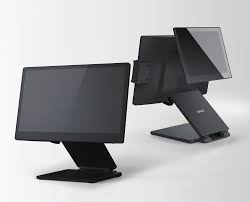 AP-5000D Point of Sale Device جهاز كاشير نقاط البيع
ر.س2,350.00
-
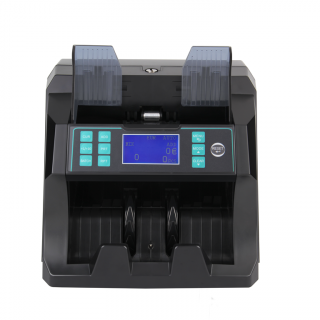 SN-2000
Original price was: ر.س1,955.00.ر.س1,650.00Current price is: ر.س1,650.00.
-
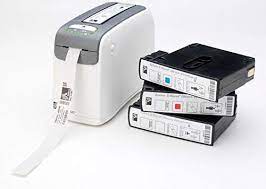 ZEBRA Thermal Wristband Printer HC100
Original price was: ر.س2,500.00.ر.س2,300.00Current price is: ر.س2,300.00.
-
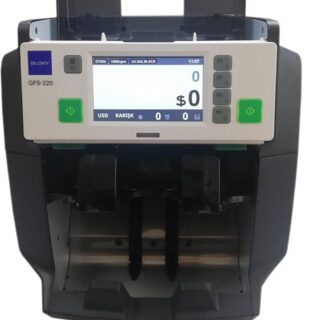 GLORY GFS-220-C
Original price was: ر.س9,500.00.ر.س9,200.00Current price is: ر.س9,200.00.
-
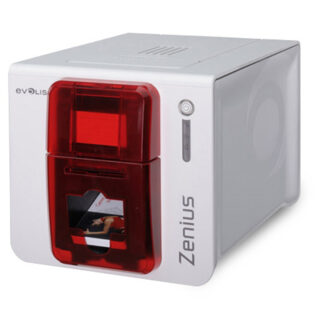 Evolis Zenius Single-Sided ID Card Printer - ZN1U0000RS
ر.س3,800.00
Products
-
AP-5000D Point of Sale Device جهاز كاشير نقاط البيع
ر.س2,350.00
-
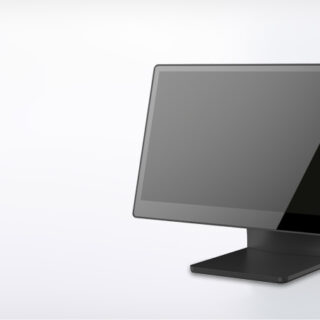 AP-5000 Point of Sale Device جهاز كاشير نقاط البيع
ر.س2,070.00
-
 LM199CD - PREMIUM CASH DRAWER
Original price was: ر.س150.00.ر.س130.00Current price is: ر.س130.00.
-
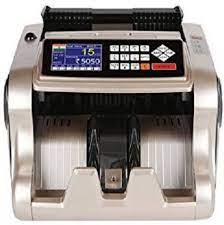 AT-777
Original price was: ر.س1,000.00.ر.س800.00Current price is: ر.س800.00.
-
SN-2000
Original price was: ر.س1,955.00.ر.س1,650.00Current price is: ر.س1,650.00.